 A
Growing Global Platform for Knowledge Sharing
A
Growing Global Platform for Knowledge Sharing
The
Blog of the Climate Smart Irrigated Agriculture Project (CSIAP) has proudly
surpassed a remarkable milestone of 250,000 global readers, reaching a current
total readership of 258,146 worldwide according to Google Analytics. This achievement reflects the growing
international interest in cybersecurity, information security, emerging
technologies, artificial intelligence, digital transformation, and
knowledge-sharing initiatives promoted through the platform. Since its
inception, the CSIAP Blog has continued to serve as a trusted source of
professional insights, educational resources, and awareness-building content
for readers across multiple sectors and countries. The platform’s expanding
audience demonstrates the increasing global demand for reliable and practical
knowledge in the rapidly evolving digital landscape.
Worldwide
Reach Across Continents
The
readership statistics of the CSIAP Blog clearly demonstrate its growing
international presence and influence across the global digital community. With
readers spanning Asia, Europe, North America, South America, and other regions,
the platform has evolved into a truly worldwide source of knowledge sharing and
professional learning. This remarkable global engagement reflects the
increasing relevance of cybersecurity, information security, emerging
technologies, digital transformation, and awareness-driven content in today’s
interconnected world.
Sri Lanka recorded the highest readership with 31.8K readers, closely followed by the United States with 31.1K readers. This strong readership from both South Asia and North America highlights the platform’s ability to bridge geographical boundaries and reach audiences from both developing and technologically advanced nations. Singapore, with 26.1K readers, further reflects the strong interest from regional technology and business hubs, while Brazil and the Netherlands contributed significantly with 23.6K and 22.9K readers respectively, showcasing CSIAP Blog’s expanding popularity across South America and Europe.
The readership distribution also demonstrates substantial engagement from several other countries including Hong Kong, Russia, Germany, the United Kingdom, Vietnam, Mexico, India, France, China, Argentina, Canada, Bangladesh, Iraq, and Spain. In addition, the “Other Countries” category alone contributed 51.6K readers, indicating that the platform is reaching audiences from many additional nations beyond the top listed countries. This wide geographical spread reflects CSIAP Blog’s growing recognition as a trusted and accessible knowledge-sharing platform for a global audience.
More
importantly, these numbers represent more than just website visits. They
reflect a diverse community of professionals, students, researchers, educators,
policymakers, and technology enthusiasts who engage with the platform to learn,
explore new ideas, and stay informed about developments in cybersecurity and
emerging technologies. The global reach of CSIAP Blog demonstrates how digital
knowledge platforms can unite people from different cultures, industries, and
backgrounds under a common purpose — continuous learning and knowledge
exchange.
Strong
Digital Accessibility Across Browsers
The
readership statistics also reveal the strong digital accessibility of CSIAP
Blog across multiple web browsers and online platforms. The ability to support
readers using different browsing technologies is a key factor contributing to
the platform’s growing international reach and user engagement. Among all
browsers, Google Chrome dominated with 236K users, representing the
overwhelming majority of readers accessing the platform. This reflects the CSIAP
Blog’s strong compatibility with modern web standards and its ability to
deliver a smooth and reliable user experience for mainstream internet users
worldwide. The high number of Chrome users also indicates the growing reliance
on fast, secure, and responsive browsing experiences in accessing online
educational and professional content.
Other
browsers also contributed significantly to the readership base. Firefox
accounted for 8.4K users, while Safari and Mobile Safari together represented a
substantial number of Apple device users. Additional traffic came from browsers
such as EdgiOS, Samsung Browser, CriOS, and several mobile-based browsing
applications. The presence of readers using multiple browser types demonstrates
that the CSIAP Blog is accessible across a wide range of devices, operating
systems, and browsing environments. Interestingly, the statistics also include
users from specialized or less common browsers such as DuckDuckGo, Avast Secure
Browser, Opera, Silk, BingPreview, and LinkedInApp. This diversity indicates
that the platform attracts readers from different digital ecosystems and
browsing preferences, including privacy-focused users, mobile-first users, and
professional networking audiences.
Overall,
the browser statistics highlight CSIAP Blog’s commitment to maintaining a
user-friendly and inclusive digital experience. The platform’s compatibility
across modern browsers ensures that readers worldwide can easily access
valuable content regardless of their preferred browsing technology.
Diverse
Device and Operating System Usage
The
operating system statistics further demonstrate the flexibility and
adaptability of CSIAP Blog in serving a highly diverse digital audience.
Readers access the platform through desktops, laptops, smartphones, tablets,
and other internet-enabled devices, reflecting the changing trends in global
content consumption. Windows users accounted for the largest share with 147K
users, indicating strong engagement from corporate professionals, academic
institutions, and general desktop users worldwide. Meanwhile, Macintosh users
contributed 83.2K readers, reflecting a substantial audience from creative,
professional, educational, and technology-focused communities that commonly use
Apple devices.
Mobile accessibility also plays a major role in the platform’s growth. Android users represented 16.9K readers, while iPhone users contributed 6.2K readers, demonstrating the increasing importance of mobile-friendly content delivery. These figures highlight how readers are increasingly consuming educational and professional content through smartphones and portable devices, enabling learning anytime and anywhere. The platform also recorded readership from Linux, Unix, iPad, and several legacy or less common operating systems. Although smaller in number, these users reflect the platform’s ability to reach technical professionals, researchers, developers, and specialized user communities. The presence of readers from older operating systems further indicates broad accessibility and compatibility across different technological environments.
Collectively, the operating system statistics emphasize the CSIAP Blog’s strong digital adaptability and user accessibility. Whether accessed from a corporate desktop, personal laptop, mobile device, or specialized technical environment, the platform continues to provide a consistent and accessible learning experience for readers around the globe.
Building
a Global Learning Community
The
success of the CSIAP Blog goes beyond numbers. The platform has evolved into a
global knowledge-sharing community that encourages learning, innovation,
professional growth, and awareness in cybersecurity and emerging technologies. The
milestone of over 250,000 readers reflects the trust and engagement of a
worldwide audience that continues to support and benefit from the platform’s
educational content.
Appreciation
to Readers Worldwide
The
CSIAP Blog extends sincere appreciation to every reader, contributor,
supporter, and professional who has been part of this journey. Their continued
engagement and encouragement have played a vital role in achieving this
important milestone. As the platform continues to grow, the CSIAP Blog remains
committed to delivering impactful knowledge, meaningful insights, and valuable
educational content that empowers individuals and organizations around the
world.
By
Samantha Mallawaarachchi, IEC & ICT Specialist, CSIAP
Posted by CSIAP Sri Lanka Read full blog article Read full web article Published Date : 2026-04-30
 |
| Minister and other distinguish other distinguished guests observe as Mr. Mallawaarachchi explains the CSA Centre’s social media platforms |
The establishment of the CSAC is being widely recognized as a significant milestone in the country’s ongoing efforts to address the growing challenges posed by climate change to agriculture, food security, and rural livelihoods. The CSAC is a key component of the Climate-Smart Irrigated Agriculture Project (CSIAP) funded by the World Bank and, the center has been equipped with modern information and communication technology facilities and other essential resources to ensure effective and efficient operations.
Following the inauguration of the CSAC, K. D. Lal Kantha officially launched the Centre’s social media platforms, including its blog, Facebook, Twitter, and YouTube channels. Addressing the gathering, Samantha Mallawaarachchi, IEC & ICT Specialist of the CSIAP and the initiator of the social media platforms, briefed the Minister and other distinguished guests on the features of the blog, highlighting its role in knowledge dissemination and its effectiveness as an information-sharing platform.
 |
| Pre-inauguration programme commenced |

Key
Objectives and Functions
The
CSAC will focus on several key objectives, including strengthening national
coordination on climate-smart agriculture, facilitating the adoption of modern
technologies and sustainable practices, and promoting research, innovation, and
knowledge dissemination. It
will also play a vital role in building institutional and human capacity.
Training programmes, technical workshops, and awareness campaigns will be
conducted for ministry officials, extension officers, farmers, and agribusiness
stakeholders. These initiatives aim to enhance the practical implementation of
climate-smart approaches at all levels.
Another major focus area will be supporting evidence-based policymaking. By generating data, sharing lessons learned, and providing analytical insights, the Centre will contribute to more informed decision-making in national agricultural and climate policies.
 |
| Minister cuts the ribbon to open the centre and Deputy Minister and Secretary look on |
Strengthening
Knowledge and Partnerships
As
a knowledge hub, the CSAC will consolidate research findings, best practices,
and field experiences from across the country. It will facilitate collaboration
among government agencies, research institutions, development partners, and the
private sector to scale up successful climate-smart solutions. Importantly, the
Centre will not directly implement all programmes. Instead, it will work in
partnership with relevant stakeholders to ensure that initiatives are
effectively planned, coordinated, and executed.
Strategic
Importance for the Future
The
establishment of the CSAC comes at a critical time, as Sri Lanka’s agricultural
sector faces increasing pressure from climate variability, extreme weather
events, and resource constraints. By providing a centralized institutional
mechanism, the Centre is expected to significantly enhance coordination and
long-term planning in the sector.
Among
the anticipated outcomes are improved policy coherence, increased adoption of
climate-smart technologies by farmers, strengthened institutional capacity, and
better access to climate information and innovation. Ultimately, the CSAC is
expected to play a pivotal role in ensuring national food security while
promoting environmentally sustainable farming systems that reduce greenhouse
gas emissions and improve natural resource management.
A
Step Toward Resilient Agriculture
In
summary, the launch of the CSAC represents a forward-looking initiative aimed
at transforming Sri Lanka’s agricultural landscape. By integrating policy
support, technology, training, and innovation, the Centre is poised to drive
the country toward a more resilient, productive, and sustainable future in
agriculture. The Centre will serve as a cornerstone institution in Sri Lanka’s
response to climate change, benefiting not only farmers but the entire nation. Ahead
of the official opening of the CSAC, a ceremonial event was held at the main
auditorium of the Ministry of Agriculture, Livestock, Land and Irrigation,
setting the tone for what officials described as a transformative initiative
for Sri Lanka’s agricultural future.
Pre-Inauguration
Event Marks Milestone for CSAC
The
pre-inauguration programme was conducted under the patronage of Deputy Minister
Namal Karunaratne, with the participation
of senior government officials, development partners, technical experts, and
stakeholders from across the agricultural sector. The event served both as a
formal welcome to distinguished guests and as a platform to highlight the strategic
importance of establishing a dedicated CSAC.
 |
| Mr. Karunaratne Dr. Senarathne Mr. Wickramasinghe Dr. Ratnayake Mr. Bandulasena |
Delivering the welcome address, Dr. W. M. U. K. Ratnayake, Additional Secretary of the Agri-Technology Division of the Ministry, outlined the vision and core objectives of the newly established Centre. She emphasized that the CSA Centre is not merely an institutional addition, but a critical national response to the escalating challenges posed by climate change to Sri Lanka’s agriculture sector. Dr. Ratnayake elaborated that the Centre aims to serve as a national hub for innovation, coordination, and knowledge-sharing, enabling the systematic scaling up of climate-smart technologies and practices. She further highlighted that strengthening resilience among farming communities, improving productivity, and ensuring sustainable natural resource management remain at the heart of the Centre’s mandate.
Secretary to the Ministry, D. P. Wickramasinghe, also spoke at the event, stressing the importance of institutional coordination and long-term planning. He pointed out that the Centre would play a key role in aligning various programmes implemented by different agencies, thereby enhancing efficiency and ensuring better outcomes for farmers.
Adding an international perspective, Dr. Athula Senaratne, Senior Agriculture Specialist at the World Bank, highlighted the global relevance of climate-smart agriculture and commended Sri Lanka for taking a proactive step in establishing a dedicated institutional mechanism. He reaffirmed the World Bank’s continued support for initiatives that promote resilience, sustainability, and innovation in agriculture.
Mr. Saman Bandulasena, Project Director of the Climate Smart Irrigated Agriculture Project, shared insights into ongoing efforts to introduce climate-resilient irrigation and farming practices. He explained that the CSAC would further strengthen these initiatives by providing a centralized platform for coordination, technical guidance, and knowledge dissemination.
The event concluded with the vote of thanks delivered by Dr. B.M.V.S. Basnayake, Director of the Agri-Technology Division. She expressed appreciation to all dignitaries, partners, and stakeholders for their contributions and support in making the establishment of the CSAC a reality.
The auditorium event not only marked the ceremonial beginning of the Centre but also reinforced the collective commitment of national and international stakeholders toward building a climate-resilient agricultural sector in Sri Lanka. It set the stage for the official opening that followed, symbolizing a unified step forward in addressing the challenges of climate change through innovation, collaboration, and strategic action.
Photographs by
Sineth
Dharmapala, Media Secretary of Deputy Minister of Agriculture and Livestock
Chathura Prabath Edirimanna Wijayathunge, Media Unit, Ministry of Agriculture,
Livestock, Land and Irrigation
Posted by CSIAP Sri Lanka Read full blog article Read full web article Published Date : 2026-04-27

The
Climate-Smart Agriculture Center is a key component of the Climate-Smart
Irrigated Agriculture Project and will function as a national hub to promote
climate-smart agricultural technologies and practices across Sri Lanka. To
ensure effective and efficient operations, the center has been equipped with
modern information and communication technology facilities and other essential
resources.
Operating
under the Agricultural Technology Division of the Ministry of Agriculture,
Livestock, Land, and Irrigation, the center will serve as a national platform
to advance climate-smart agricultural technologies and practices nationwide. It
has been designed as a specialized institutional platform dedicated to
promoting sustainable, innovative, and climate-resilient agricultural
development. The center will also provide strategic guidance, technical
leadership, and institutional support for initiating, planning, implementing,
and scaling climate-smart agriculture initiatives across the country.
A
central feature of the Climate-Smart Agriculture Center is its role in
facilitating collaboration among institutions, departments, and government
agencies involved in agriculture, natural resource management, and rural
development. Its goal is to become a national center of excellence for
climate-smart agriculture, leading the transformation of Sri Lanka’s agri-food
system into one that is productive, resource-efficient, resilient, and
environmentally sustainable. It also aims to position Sri Lanka as a regional
leader in climate-smart agriculture in South Asia.
The
center is expected to enhance policy coherence, promote the adoption of
sustainable agricultural practices, strengthen institutional capacity, and
improve access to climate information and innovation. It will also contribute
to the development of data-driven policies that support climate-resilient
agriculture. The establishment of the Climate-Smart Agriculture Center
represents a strategic step toward ensuring national food security and
long-term agricultural sustainability. By integrating technology, policy
support, training, and digital innovation, the center will play a vital role in
transforming Sri Lanka’s agricultural sector into a more resilient and
sustainable system.
With
the launch of the Climate-Smart Agriculture Center, it will become the
country’s central mechanism for advancing climate-smart agriculture, supporting
farmers and institutions in adapting to the challenges posed by climate change.
Posted by CSIAP Sri Lanka Read full blog article Read full web article Published Date : 2026-04-27
The Climate Smart Irrigated Agriculture Project (CSIAP) has reached a significant milestone as its official blog—https://csiaplk.blogspot.com—surpasses 200,000 global readers, according to Google Analytics. Since its launch in November 2019, the blog has grown into a dynamic and credible knowledge-sharing platform, engaging audiences both within Sri Lanka and across the world.
About CSIAP
The CSIAP aims to enhance the productivity and climate resilience of smallholder
agriculture in selected, highly vulnerable hotspot areas. The project operates
across 11 districts in six provinces within Sri Lanka’s dry zone, focusing on
sustainable agricultural development and improved irrigation systems.

Six Years of Impactful Content
Over the past six years, the CSIAP blog has
consistently delivered rich and informative content, including:
The blog highlights major interventions such as
Climate Smart Agriculture (CSA) practices, tank rehabilitation initiatives,
social safeguard measures, capacity-building programs, and agricultural
marketing efforts. Through these efforts, the platform has played a vital role
in promoting sustainable irrigation development and climate-resilient farming
practices.
Growing Global Reach
Since its inception, the blog has attracted 223,418
visitors worldwide, reflecting its increasing relevance and credibility in the
field of climate-smart agriculture. This milestone underscores a growing global
interest in evidence-based agricultural development initiatives.
Audience by Country
The CSIAP blog’s readership reflects a truly global
footprint, with strong engagement from a diverse range of countries. Sri Lanka
leads with 31.5k readers, followed closely by the United States (28.4k),
Singapore (23.8k), and the Netherlands (22.8k). Significant audiences are also
recorded from Brazil (18.7k) and Hong Kong (11.1k), demonstrating the blog’s
reach across both regional and international knowledge communities.
Further contributions to the readership come from countries such as Russia (8.27k), Germany (5.53k), Vietnam (5.09k), and the United Kingdom (5.04k). Additional engagement is seen from Mexico (4.48k), India (3.88k), France (3.76k), China (3.41k), and Canada (2.49k). The blog also attracts readers from Argentina (2.36k), Spain (1.99k), Bangladesh (1.88k), and Indonesia (1.56k), while a substantial 37.4k audience originates from other countries. This wide geographic distribution highlights the blog’s growing international relevance and its role as a trusted source of information on climate-smart agriculture.
By Operating Systems
Analysis of user access patterns indicates that the
majority of readers engage with the CSIAP blog through Windows-based devices,
accounting for 122k users. Macintosh follows with a significant 73.8k users,
while mobile platforms such as Android (16.7k) and iPhone (6.14k) contribute a
notable share of the audience. Linux users account for 3.78k visits, and a
smaller proportion of readers access the blog through other systems, including
Unix, iPad, and specific Android versions. These figures suggest that while
desktop usage remains dominant, mobile accessibility continues to play an
important supporting role.
By Browsers
In terms of browser usage, Google Chrome
overwhelmingly dominates access to the CSIAP blog, with 202k users, reflecting
its widespread global popularity. Other browsers such as Firefox (8.29k) and
Safari (5.59k) also contribute to the readership, alongside Mobile Safari
(2.67k), which indicates continued mobile engagement. Additional access comes
from EdgiOS (1.88k), MSIE (1.07k), and Samsung Browser (938), while a smaller
number of users rely on other browsing platforms. Overall, the data highlights
Chrome as the primary gateway for users, while also confirming the blog’s
compatibility across multiple browsing environments.
By Samantha Mallawaarachchi, IEC & ICT Specialist, PMU, CSIAP
Posted by CSIAP Sri Lanka Read full blog article Read full web article Published Date : 2026-04-20

A Growing Knowledge-Sharing Platform
Over the past six years, the blog has consistently
featured project updates, success stories, and field-level innovations. It
highlights major interventions, including Climate Smart Agriculture (CSA)
practices, tank rehabilitation initiatives, social safeguard activities,
capacity building programs, and agricultural marketing efforts. Through timely
and informative content, the blog has strengthened awareness of sustainable
irrigation development and climate-resilient agricultural practices implemented
under the project. Since its inception, the blog has attracted 150,021 visitors
worldwide, underscoring its growing recognition and relevance in the field of
climate-smart and sustainable agriculture. The readership milestone reflects
not only the volume of visitors but also the increasing interest in
evidence-based agricultural development initiatives.
Steady Growth and Expanding Global Reach
The CSIAP blog previously surpassed 125,000 readers on
10 November 2025 and continued its upward momentum by recording an additional
increase of 15,000 readers by 26 January 2026. Today, on 12 February 2026, the
blog proudly crossed the 150,000 readership milestone. This consistent growth
demonstrates the effectiveness of CSIAP’s communication strategy and its
commitment to disseminating timely, relevant, and impactful information. The
milestone further reinforces the blog’s role as a trusted digital platform for
sharing knowledge on climate-smart irrigation, agricultural resilience, and
sustainable rural development both in Sri Lanka and across the globe.
By
Countries
The
CSIAP Blog continues to demonstrate its strong and expanding global presence,
reaching a total readership of over 150,000 worldwide. Sri Lanka leads with
30.8k readers, reflecting the strong national engagement with project
activities and knowledge products. Internationally, the blog has attracted
significant readership from the Netherlands (22.5k), Singapore (20.1k), and the
United States (16.4k), highlighting its growing global relevance. Other notable
audiences include Hong Kong (11k), Brazil (8.23k), Russia (7.14k), Vietnam
(3.73k), Mexico (3.2k), China (2.89k), Germany (2.73k), and France (1.97k). The
United Kingdom (1.63k), India (1.23k), Canada (999), Sweden (958), Argentina
(793), Austria (676), and Australia (614) also contribute to the international
readership, while an additional 12.4k readers connect from various other
countries. This diverse geographic distribution clearly reflects CSIAP’s
expanding knowledge-sharing footprint across continents.
By
Browsers
In
terms of browser usage, Google Chrome dominates readership with 130k users,
demonstrating the blog’s strong accessibility across mainstream platforms.
Firefox (7.36k), Safari (4.63k), and Mobile Safari (2.67k) also account for
significant traffic, indicating engagement from both desktop and mobile Apple
users. EdgiOS (1.87k), MSIE (1.01k), Samsung Browser (932), CriOS (452), and
other mobile browsers further illustrate the wide range of devices and
platforms through which readers access CSIAP content. A smaller segment (584)
uses other browsers, reflecting the blog’s compatibility across multiple
digital environments.
By
Operating Systems
The
operating system data further confirms the blog’s broad technological reach.
Windows users represent the largest share with 70.1k readers, followed closely
by Macintosh users at 53.3k, underscoring strong desktop engagement. Mobile
access is also significant, with Android users numbering 16.1k and iPhone users
at 5.71k, alongside iPad users (401). Linux (3.54k) and Unix (445) users
indicate engagement from academic and technical communities, while smaller
segments include Android 11 (82), compatible systems (189), and other operating
systems (154). Overall, these insights demonstrate that the CSIAP Blog is
successfully reaching a wide, technologically diverse, and globally distributed
audience, strengthening its role as a trusted platform for climate-smart
agriculture knowledge sharing.
Below are three separate congratulatory messages marking the 150,000 global readership milestone.
 |
| Dr. Sheu Salau |
This achievement reflects the dedication of the project team and partners who ensure that technical work is translated into accessible and impactful content. Knowledge sharing is not merely about visibility—it is about learning, collaboration, and scaling good practices. We congratulate the team and look forward to seeing CSIAP continue to inspire practitioners, policymakers, and development partners worldwide.
 |
| Mr. D.P. Wickramasinghe |
As a World Bank–funded initiative implemented under this Ministry, the CSIAP plays a vital role in supporting resilient agricultural systems and improved livelihoods. The strong international readership affirms that Sri Lanka’s experiences and innovations are contributing to global knowledge. We commend the project team for their professionalism and dedication, and we encourage continued efforts to strengthen communication and knowledge dissemination for sustainable agricultural development.
 |
| Mr. Saman Bandulasena |
This growing global readership demonstrates that the experiences and lessons emerging from CSIAP resonate beyond national borders. As a World Bank–funded project implemented under the Ministry of Agriculture, Livestock, Land and Irrigation, we remain committed to strengthening evidence-based communication, promoting sustainable agricultural practices, and sharing knowledge that supports climate-smart development both locally and internationally.
By Samantha Mallawaarachchi, IEC & ICT Specialist, PMU, CSIAP
Posted by CSIAP Sri Lanka Read full blog article Read full web article Published Date : 2026-02-12
CSIAP produced three cascade-related videos
The
Climate Smart Irrigated Agriculture Project (CSIAP) has placed strong emphasis
on the cascade system, which is a traditional and highly integrated water
management system found mainly in Sri Lanka’s dry zone. To improve awareness,
participation, and sustainable management of cascades, the CSIAP produced three
cascade-related videos in three languages: Introduction to Cascade, Transect Walk, and Cascade
Management Committee. Each video highlights a key aspect of cascade-based
development and community involvement.

The
Transect Walk video
focuses on a participatory field-based approach used by CSIAP to understand
cascade conditions. A transect walk involves walking systematically across the
cascade landscape with farmers, community members, and technical officers.  During this walk, participants observe land use patterns, tank conditions,
canals, bunds, vegetation, soil erosion, and water flow paths. This method
helps identify problems such as siltation, damaged structures, encroachments,
and water losses. The video demonstrates how local knowledge is combined with
technical expertise to plan improvements. Transect walks also strengthen
community ownership, as farmers actively contribute to identifying issues and
solutions within their cascade. Videos in Sinhala, Tamil and English
During this walk, participants observe land use patterns, tank conditions,
canals, bunds, vegetation, soil erosion, and water flow paths. This method
helps identify problems such as siltation, damaged structures, encroachments,
and water losses. The video demonstrates how local knowledge is combined with
technical expertise to plan improvements. Transect walks also strengthen
community ownership, as farmers actively contribute to identifying issues and
solutions within their cascade. Videos in Sinhala, Tamil and English

Overall, CSIAP activities based on cascades aim to rehabilitate tanks, improve irrigation efficiency, strengthen farmer organizations, enhance climate resilience, and protect ecosystems. By combining technical improvements with community participation and traditional knowledge, CSIAP ensures that cascades continue to support livelihoods, food security, and sustainable water management for future generations.
Appreciation and Sincere Gratitude
Our
sincere appreciation and heartfelt thanks are extended to Mr. D. V. Bandulasena, Institutional Development and Capacity Building
Specialist of the Climate Smart Irrigated Agriculture Project (CSIAP),
for his outstanding contribution in conceptualising and coordinating the
production of the three high-quality cascade-related videos. Mr. Bandulasena’s
vision and knowledge were instrumental
in transforming complex concepts related to cascades into clear, engaging, and
informative visual content. His leadership in coordinating with multiple
stakeholders—including technical experts, field teams, media professionals, and
language specialists—ensured that the videos were not only technically accurate
but also accessible to diverse audiences across different regions.
The
successful production of these videos reflects his dedication, meticulous
planning, and ability to harmonise inputs from various parties while
maintaining high production standards. His commitment went well beyond routine
responsibilities, demonstrating genuine passion and hard work to ensure the
final outputs effectively support awareness-raising, community participation,
and the sustainable management of cascades under the CSIAP.
Posted by CSIAP Sri Lanka Read full blog article Read full web article Published Date : 2026-02-09
 |
| Mr. Mallawaarachchi handing over the book to Hon. Minister |
The collection features articles covering key project activities under Component 1: Agriculture Production and Marketing and Component 2: Water for Agriculture. In addition, it includes compelling success stories that reflect the project’s commitment to social inclusion and demonstrate the tangible impact the CSIAP has made on improving farmers’ livelihoods across project areas. Together, these articles present a comprehensive narrative of the CSIAP’s contribution to climate-smart agriculture, sustainable water management, and inclusive rural development.
Articles published on the CSIAP's web and across CSIAP's social media platforms, including the CSIAP blog, reached a global audience of over 146,000 readers. The highest engagement came from Sri Lanka (30.6k), followed by the Netherlands (22.5k), Singapore (19.4k), the United States (15.8k), and Hong Kong (11k). Significant readership was also recorded in Brazil (7.88k), Russia (7.09k), Vietnam (3.6k), Mexico (3.15k), China (2.66k), Germany (2.64k), and France (1.89k). Additional audiences were reached in the United Kingdom, India, Sweden, Canada, Argentina, Austria, and Australia, with a further 11.3k readers from other countries—highlighting the CSIAP’s strong and diverse international reach.
Mr.
Mallawaarchchi was the foundational architect of the CSIAP's entire digital
presence, a role he has meticulously executed since the project's inception in
2019. This involved far more than merely creating accounts; it required
profound strategic foresight to first define the project's online identity,
from establishing a consistent brand voice and visual aesthetic to identifying
key target audiences and plotting a long-term content strategy aligned
with the CSIAP's core mission. Please click on Showcasing CSIAP Excellence to read.
Photograph
by Samal Perera, MALLI
Posted by CSIAP Sri Lanka Read full blog article Read full web article Published Date : 2026-01-31
 |
| CMC book is being presented to the minister by Mr. Saman Bandulasena |
The handbook is expected to serve as a key reference for Cascade Management Committees, government agencies, farmer organisations, and development partners, supporting more integrated, participatory, and sustainable approaches to cascade and landscape management across the country.
This handbook provides a common framework and reference for all stakeholders engaged in cascade conservation and development. Drawing on field experience and expert knowledge, it promotes an integrated, landscape-based approach that balances environmental sustainability with community and institutional needs. |
| Prof. Wickramasighe delivering his speech |
Specifically,
the handbook seeks to provide clear and practical guidance to Cascade
Management Committee (CMC) members, government officials, partner agencies,
Farmer Organisations (FOs), and Community-Based Organisations (CBOs) by clearly
defining their roles, responsibilities, and operational procedures in the
management of cascade landscape systems. By establishing a shared understanding
of institutional mandates and processes, the handbook supports more effective
and accountable governance of cascade systems at the local and landscape
levels.
 |
| The CMC Handbook launch ceramony in full swing |
The
handbook also promotes coordinated action among relevant government agencies,
local authorities, and communities to ensure the efficient use of financial,
technical, and natural resources. Through improved alignment of plans and
activities, it seeks to minimize duplication of efforts, reduce institutional
overlaps, and enhance the overall effectiveness and impact of cascade-related
initiatives.
Furthermore,
the handbook focuses on strengthening the institutional capacities of CMCs and
partner organisations to effectively plan, monitor, and evaluate
cascade-related interventions. By enhancing skills, systems, and tools for
evidence-based decision-making, it supports the implementation of
well-coordinated, climate-resilient, and sustainable cascade management
practices across Sri Lanka.
Content Designer and Consultant Editor of the CMC Handbook, Mr. Sarath Wickramaratne, emphasized the critical importance of this handbook and its role in shaping the future of Cascade Management. He highlighted how the handbook serves as a comprehensive guide for planners, practitioners, and policymakers by integrating traditional knowledge with modern management principles. According to him, the handbook provides practical frameworks and strategic insights that support informed decision-making, capacity building, and community participation.
Mr.
Wickramaratne further explained that the handbook contributes significantly to
the long-term sustainability of the Tank Cascade System by promoting
ecosystem-based management, resilience to climate change, and the protection of
hydrological and ecological functions. Through this approach, the handbook
strengthens efforts toward sustainable water management, agricultural
productivity, and environmental conservation, ensuring that the Tank Cascade
System continues to benefit future generations. Marking
the occasion, a special speech was delivered by Prof. Danthurae Wickramasinghe,
Chair of Management Accounting at the Adam Smith Business School, University of
Glasgow, England, who made the keynote address on the role of the Cascade
Management. 
Mr. Wickramarathne addressing the audience
A
significant milestone moment was marked when the CMC Handbook was formally
presented to Hon. Minister Lal Kantha by Mr. Saman Bandulasena, Project
Director of CSIAP. This symbolic presentation underscored the importance of the
handbook as a strategic knowledge resource for strengthening Cascade Management
practices. The occasion reflected the collective efforts of stakeholders
involved in its development and highlighted the government’s commitment to
promoting sustainable management of the Tank Cascade System through informed
policy guidance and practical implementation.
The
event featured addresses by several distinguished speakers, including Hon. Lal
Kantha, Minister of Agriculture, Livestock, Lands and Irrigation; Mrs.
Latheesha P. Liyanage, Additional Secretary (Development) of the Ministry of
Agriculture, Livestock, Lands and Irrigation (MALLI); Dr. Athula Senaratne,
Senior Agriculture Specialist of the World Bank; Mr. Saman Bandulasena, Project Director and Mr. D.
V. Bandulasena, Institutional and Capacity Development Specialist, CSIAP.
 |
| Minister Lal Kantha Dr. Athula Senarathne Mrs. Latheesha Liyanage Mr. Saman Bandulasena Mr. D.V. Bandulasena |
In
their remarks, the speakers highlighted the importance of strengthened
institutional coordination, community participation, and capacity development
in safeguarding Sri Lanka’s Village Tank Cascade Systems, while emphasising the
role of the newly launched CMC Handbook in supporting sustainable,
climate-resilient cascade and landscape management practices.
The
event was attended by World Bank Officials, senior government officials,
including Chief Secretaries, District Secretaries, representatives of implementing agencies, and CSIAP staff, reflecting the high-level
institutional commitment to cascade-based water resource management and
climate-resilient agricultural development in Sri Lanka.
By Samantha Mallawaarachchi, IEC & ICT Specialist, PMU, CSIAP and
Photographs
by Samal Perera, MALLI
Posted by CSIAP Sri Lanka Read full blog article Read full web article Published Date : 2026-01-30
Development interventions do not merely implement predefined accountability frameworks; rather, they actively generate and shape accountability through their practices and processes. We studied how such development interventions produce accountability through everyday practices, material infrastructures, and institutional arrangements, with a particular focus on the World Bank’s Climate-Smart Irrigated Agriculture Project in Sri Lanka, especially its interventions in the Nabadawewa Cascade in Horowpothana, Anuradhapura. Specifically, we discuss how accountability emerges on the ground through three interconnected sites: Cascade Management Committees (CMCs), Social Audit Committees (SACs), and Climate-Smart Agriculture (CSA) Practices.
To explore
how accountability unfolds at the ground level across these three sites, I had
the valuable opportunity to engage with a diverse range of individuals and
settings during several months of ethnographic fieldwork in Sri Lanka—primarily
within the Nabadawewa cascade. I had the opportunity to interview and listen to
the experiences of a wide range of individuals, including beneficiary farmers,
farmer organization leaders, community members, elders, project staff,
government officers, World Bank officials and consultants, as well as members
of the CMCs and SACs. My observations extended across the cascade
system—covering lakes, agricultural lands, and village communities—as well as
government offices and the Farmer Training School in Thirappane. I also
participated in various institutional activities such as CMC and SAC meetings,
SAC trainings, a transect walk, and meetings involving community members,
government officials, and World Bank representatives. In addition, I followed
the project’s social media platforms and reviewed a range of documents sourced
from the project website, the World Bank website, and materials shared by
officials, farmers, community members, farmer organization leaders, and CMC and
SAC members. With this rich, triangulated data, we now
examine how some of the practices of these three sites of CMCs, SACs, and CSA interconnect
with broader processes of development and accountability.
Cascade
Management Committees (CMCs)
 |
| CMC Meeting at Nabadawewa, Horowpathana, Anuradhapura |
The production of accountability at the ground level unfolded through specific practices of CMCs. Project teams held awareness sessions that went beyond simply informing stakeholders about the CMC; these sessions didn't merely inform stakeholders about the CMC but actively shaped them as accountable actors. Moreover, the very process of forming committees further reinforced it. Farmers learned they were now stakeholders with responsibilities for cascade conservation; government officials discovered new obligations for collaborative management.
The transect walks through the cascades, involving both officials and local farmers, serve as a powerful example of how accountability is produced through practical, on-the-ground engagement. Walking the landscape, they documented social, economic, hydrological, and environmental challenges—not as passive observers but as actors being constituted as capable of rendering the cascade legible and governable. The farmers proudly shared with me that they had participated in the transect walk and felt happy that their input was genuinely valued.
The Cascade Management Profile and Plan being developed are not merely planning documents but accountability technologies. Each recorded problem, pinpointed location, and proposed solution produced accountability by establishing what must be answered for, by whom, and how. Attending CMC meetings, reviewing their minutes, and listening to farmers, I witnessed accountability unfolding in real time. The discussions between farmers and officials about challenges in the cascade were not just acts of oversight—they were expressions of accountability in action. Through collaborative dialogue, they co-produced a sense of shared responsibility. Every question raised, concern voiced, and solution proposed embodied the accountability relationships fostered by the project.
 |
| Meeting with Ataurulewa Wewa SAC and World Bank Officials |
Social
Audit Committees (SACs)
SACs
include beneficiary farmers of the rehabilitation projects, and they monitor
the rehabilitation process on the ground through daily, hands-on engagement
with construction sites. Their very formation illustrates how development
initiatives generate accountability, rather than merely responding to
pre-existing oversight structures. Each infrastructure project becomes an
occasion for generating fresh monitoring subjects, new documentation practices,
and additional accountability relations. The project doesn't implement a static
accountability framework but continuously reproduces accountability through
repeated cycles of committee formation, training, and monitoring practice.
Ground-level accountability production occurred through training sessions where project officials taught beneficiaries how to monitor. Their involvement reflected genuine interest and ownership of the process. These meetings weren't knowledge transfer events but constitutive practices that produced "accountable citizens." Beneficiaries learned to observe, document, and evaluate—capacities not inherent but actively created through development intervention. The training transformed farmers from passive recipients into monitoring subjects capable of demanding accounts. During the SAC training, I witnessed how actively the members engaged in the sessions—asking questions, participating in discussions, and even taking photos of key information from the training slides on their phones.
Accountability is also produced through practices such as committee members physically walking to rehabilitating lakes, observing and measuring progress against specifications, comparing materials to standards, and recording their observations in logbooks. The logbooks they carried—material objects that mediate accountability relations between beneficiaries, contractors, and officials. These logbooks are not neutral recording devices but accountability technologies that transform everyday construction activities into documented, verifiable, and contestable evidence. The logbook itself became an accountability device, accumulating evidence that could later substantiate claims or demands. Each entry recorded not only constituted the SAC as an accountable observer and the observed work as subject to scrutiny, but also materialized accountability linking beneficiaries, contractors, and project officials in relations of mutual answerability.
During my visit, I witnessed this accountability production in action as project officials trained committee members on monitoring protocols, teaching them not just what to observe but how to become accountable observers. The committees don't simply watch development happen; through their embodied practices of walking, observing, measuring, and documenting, they actively produce the accountability relations that make development answerable to its intended beneficiaries.
Climate-Smart
Agriculture (CSA) Practice
 |
| CSA Practices at Nabadawewa, Horowpathana, Anuradhapura |
Producer societies operate as accountability nodes that bridge individual farmers and the project, materializing answerability through financial contributions, equipment distribution, facility management, training participation, and market coordination—transforming organizational membership itself into an accountability relation where farmers must answer to their societies, societies to their members and the project, and associations to their constituent societies and external market partners. Trainings in accounting, leadership, teamwork, and entrepreneurship in these societies don’t merely build capacity but produces accountable subjects capable of organizational governance, financial management, and collective decision-making.
Training programs on these CSA practices, along with the Farmer Training School at Thirappane, produce accountability by constituting farmers as knowledgeable subjects responsible for applying learned techniques and demonstrating outcomes. These training sessions are not passive information transfers but constitutive practices that transform farmers into accountable actors who must answer for their adoption and implementation of climate-smart practices. When farmers attend training, they enter into implicit accountability relations: they become obligated to apply learned methods, demonstrate responsiveness to project knowledge, and report results back to officials and their communities. I witnessed enthusiastic farmers who, after just a single meeting, were eager to implement the group village concept and proudly showcased their progress to officials. Their actions exemplified accountability in practice—not merely by adopting new ideas, but by actively demonstrating their ability to understand, internalize, and carry out the concepts introduced during training, thereby fulfilling the responsibilities it set in motion.
Across the three sites—CMCs, SACs, and CSA practices—accountability takes shape at the ground level through everyday development practices, giving rise to new relationships, accountable subjects, and supporting infrastructures.
Special Gratitude: To my supervisor, Prof. Danture Wickramasinghe of the University of Glasgow, UK, and Mr. Sarath Wickramaratne, Senior IDCB Consultant at the World Bank, all the officials who supported and facilitated my fieldwork, and to every participant who contributed to its success.
By Ms. Madushani Gunathilake, PhD Researcher at the Adam Smith Business School, University of Glasgow, UK, under the supervision of Prof. Danture Wickramasinghe, University of Glasgow, UK.
Posted by CSIAP Sri Lanka Read full blog article Read full web article Published Date : 2026-01-30

Global Reach and Readership by Country
In terms of geographic reach, the
highest readership originates from Sri Lanka (30.3k), followed by the
Netherlands (22.5k), Singapore (19.1k), and the United States (15.3k).
Significant engagement has also been recorded from Hong Kong (11k), Brazil
(7.33k), Russia (7.01k), Vietnam (3.51k), Mexico (3.09k), Germany (2.4k), and China
(2.38k), with additional readership from France, the United Kingdom, India,
Sweden, Canada, Australia, and several other countries, collectively accounting
for 9.58k visits. This diverse international audience underscores the blog’s
global relevance and outreach.
Analysis of browser usage indicates
that the majority of readers access the blog through Google Chrome (over
123,000 users), followed by Firefox (5,645), Safari (4,232), Mobile Safari
(2,667), and EdgiOS (1,851). Additional access has been recorded via MSIE,
Samsung Browser, and other platforms, reflecting a wide range of user
preferences and devices.
Operating Systems Used
From an operating system perspective,
most users access the blog using Windows (64.5k) and Macintosh (50.8k) systems,
while mobile engagement continues to grow through Android (15.8k) and iPhone
(5.43k) platforms. Smaller but notable usage has also been recorded on Linux,
iPad, Unix, and other systems, demonstrating the blog’s accessibility across
multiple digital environments.
Key Agricultural Interventions
Highlighted on the CSIAP Blog
The CSIAP blog serves as a
comprehensive knowledge platform, providing detailed reports, multimedia
content, and practical insights on a wide range of agricultural interventions.
Key areas covered include:
Posted by CSIAP Sri Lanka Read full blog article Read full web article Published Date : 2026-01-26
Tree Plantation Drive Implemented Across Kilinochchi
and Mullaitivu Districts Under Cascade Management Plans

Tree Plantations Implemented in Kilinochchi District
In the Kilinochchi District, a total of 1,200 trees
were planted across four cascades under three Agrarian Service Centres:
 Pandivetti Cascade – 300 trees planted under Mulankavil
ASC
Pandivetti Cascade – 300 trees planted under Mulankavil
ASC
Posted by CSIAP Sri Lanka Read full blog article Read full web article Published Date : 2026-01-17

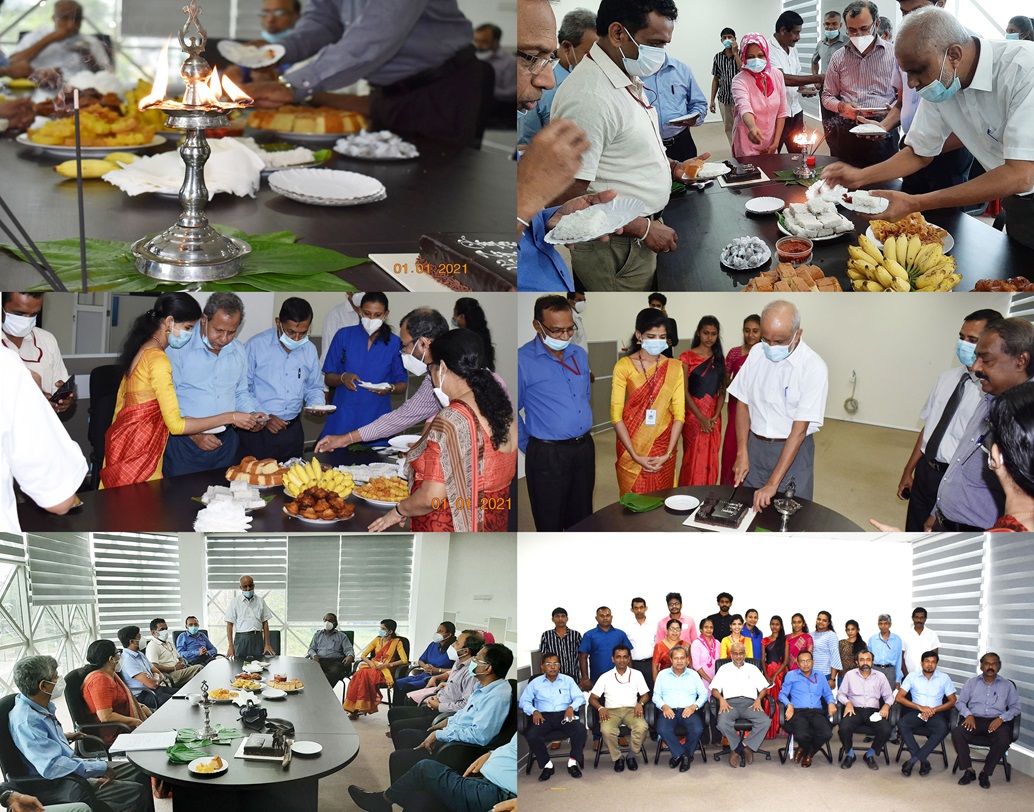
Addressing the staff, the Project Director said, "As we welcome 2026, I extend my heartfelt wishes to all our staff and stakeholders. May the New Year bring you good health, happiness, and continued success.
The CSIAP sincerely thanks all officers, drivers, and team members who dedicated their time and effort to the successful closure of the Project. Your professionalism, commitment, and unwavering support have been instrumental in achieving CSIAP’s objectives and leaving a lasting positive impact on the farming communities we served. We acknowledge and deeply appreciate your invaluable contributions throughout the life of the Project. Thank you for being an essential part of this journey."
He added, "The past six years have been a testament to our collaborative efforts in the project area. Together, we have achieved significant milestones, overcome challenges, and laid a strong foundation for future success. I am immensely proud of what we have accomplished and the positive impact we continue to make as we move forward toward achieving CSIAP’s goals. Leading such a talented and passionate team has been a profound privilege. Your collective efforts have not only advanced CSIAP’s objectives but have also fostered a spirit of camaraderie and shared purpose. Again, I wish you a Happy New Year. May 2026 be a year of great accomplishments, personal growth, and success."
The event was attended by CSIAP specialists and officers, who joined in the celebration and welcomed the New Year with renewed energy and enthusiasm.

Posted by CSIAP Sri Lanka Read full blog article Read full web article Published Date : 2026-01-01
Celebrating the Successful Completion of the Project (2019–31 December 2025)

As we welcome the New Year 2026, the Climate Smart Irrigated Agriculture Project (CSIAP) extends its warmest wishes to all stakeholders, partners, farmer communities, and staff for a year filled with good health, peace, and prosperity.
This New Year marks a historic milestone for the CSIAP, as
the Project successfully completed all planned project tasks on 31 December
2025, bringing to a close its implementation period from 2019 to 31 December
2025. Over these six years, the CSIAP has played a pivotal role in advancing
climate-resilient irrigated agriculture across Sri Lanka through sustained
investments in infrastructure development, farmer capacity building,
institutional strengthening, and market-oriented agricultural practices.
The achievements realised during this period are the
result of strong collaboration and unwavering commitment from farmer
organisations, government institutions, development partners, and the dedicated
CSIAP team at national, provincial, and field levels. Together, these efforts
have strengthened rural livelihoods, enhanced agricultural productivity, and
improved the resilience of farming communities to climate change. The impacts
of these efforts will continue well beyond the project’s lifespan, supporting
livelihoods and contributing to national food security.
As the CSIAP transitions from implementation to
legacy, the foundations laid between 2019 and 2025 will continue to deliver
long-term benefits to the agricultural sector and the nation. We express our
sincere gratitude to all who contributed to this journey and take pride in the
lasting impact created through collective action.
With hope and optimism, the CSIAP looks forward to the
future inspired by the successes of the past.
Happy New Year 2026!
Posted by CSIAP Sri Lanka Read full blog article Read full web article Published Date : 2026-01-01

The Climate Smart Irrigated Agriculture Project
(CSIAP) recently paid tribute to a group of officers and drivers who are
concluding their service with the Project upon the completion of their
respective contract periods. Their collective dedication, professionalism, and
steadfast commitment have played a significant role in the successful
implementation of the
CSIAP interventions across 11 districts of sex provinces where the CSIAP is being
implemented in Sri Lanka, leaving behind a strong and lasting legacy.
Among the departing officers are Dr. Kumudini Gunasekara, Agri-Business & Market Linkage Development Specialist, and Ms. G. Kaumadi, Climate Smart Agriculture Officer, who were present at the ceremony. Mr. G.A.M.D. Gunarathne, Monitoring & Evaluation Specialist, was unable to attend the event due to unavoidable reasons; however, the CSIAP sincerely acknowledges and appreciates his valuable contributions to the successful implementation of the Project.
Throughout their tenure, these officers provided critical technical leadership and guidance in key thematic areas of the Project. Their efforts contributed substantially to strengthening farmer-market linkages, ensuring robust monitoring, evaluation, and learning systems, and promoting the adoption of climate-smart agricultural practices across project districts. Their professional expertise, strategic insight, and dedication greatly enhanced the effectiveness, quality, and sustainability of the CSIAP’s development outcomes.
In addition to the officers, the CSIAP also acknowledged the invaluable service rendered by its drivers—Mr. W.A.W. Ananda, Mr. H.A. Wimalarathna, Mr. D.G.P.T. Gunathilaka, and Mr. R.D.P. Rajapaksha—who are also departing upon the completion of their contract periods. Throughout the Project lifecycle, they ensured the safe, timely, and reliable transportation of CSIAP staff across diverse and often challenging terrain, including long-distance travel from Colombo to remote project areas. Their discipline, professionalism, and unwavering sense of responsibility formed an essential backbone of project operations, enabling uninterrupted field engagement and contributing quietly yet decisively to the Project’s overall success.
In recognition of their outstanding service and commitment, all departing officers and drivers were honoured with tokens of appreciation at a special ceremony held yesterday at the Project Management Unit, under the patronage of Mr. Saman Bandulasena, Project Director. The ceremony provided an opportunity to express the Project’s deep gratitude for the hard work, dedication, and courage demonstrated by these individuals throughout the Project lifecycle.
During
the ceremony, tokens of appreciation were presented personally by senior
project staff:
* Dr. Kumudini Gunasekara received her token from Mr.
Saman Bandulasena, Project Director
* Ms. G. Kaumadi received her token from Mr. K.V.
Athula, Deputy Project Director
* Mr. W.A.W. Ananda received his token from Mr. D.V.
Bandulasena, Institutional Development & Capacity Building Specialist
* Mr. H.A. Wimalarathna received his token from Mr.
Frank Jayasinghe, Climate Smart Agriculture Specialist
* Mr. D.G.P.T. Gunathilaka received his token from Ms.
P.G.A.D. Premathilake, Environmental & Social Safeguard
Specialist
* Mr. R.D.P. Rajapaksha received his token from Mr.
N.A.I.U.K. Nissanka, Water Management & Monitoring Specialist
As the CSIAP concludes its implementation phase, the Project
will fondly remember the valuable contributions of these officers and drivers.
CSIAP extends its best wishes for continued success in their future
professional and personal endeavours. The impact of their service will endure
through strengthened institutions, empowered farming communities, and resilient
agricultural systems that stand as a testament to their commitment and
contribution to the CSIAP’s mission.
Posted by CSIAP Sri Lanka Read full blog article Read full web article Published Date : 2025-12-31

The Climate Smart Irrigated Agriculture Project (CSIAP) adopted a comprehensive, value chain–oriented strategy to enhance agricultural commercialization, farmer incomes, and institutional strength among smallholder farmers. Key interventions included the formation and strengthening of Producer Societies (PSs), facilitation of market linkages, development of selected value chains, investments in post-harvest management, and extensive capacity building of farmers. Together, these interventions addressed critical constraints across production, processing, and marketing, enabling farmers to better integrate into competitive markets.
Market Linkages and Income GenerationThrough targeted market facilitation efforts, the project successfully established 63 market linkages, directly benefiting 3,193 farmers. These linkages enabled the sale of 5,484 metric tons of agricultural produce, generating a total income of Rs. 1,946.11 million. This outcome reflects strong market integration and improved access to reliable buyers, significantly increasing income opportunities for participating farmers. The structured engagement with markets helped farmers reduce dependency on intermediaries, improve price realization, and gain confidence in commercial agriculture.
Institutional Strengthening through Farmer Business
School
A cornerstone
of the project’s institutional development approach was the Farmer Business
School (FBS) program. Through FBS, 11,859 farmers graduated from structured
training programs focused on agribusiness management, entrepreneurship, and
market-oriented farming. These trainings strengthened farmers’ skills in
planning, record keeping, cost-benefit analysis, and decision-making, laying
the foundation for sustainable agricultural enterprises and long-term
resilience of farming communities.

Advanced Capacity Building and Exposure
Beyond FBS,
the project provided customized training programs and exposure visits tailored
to the needs of individual farmers and groups. A total of 47 trainings and
exposure visits benefited 1,392 farmers, enhancing their capacities in value
addition, quality improvement, packaging and labeling, and new product
development. The impact of these capacity-building efforts was clearly
demonstrated through farmer participation in provincial-level trade fairs,
expanded market reach, and documented success stories highlighting improved
business performance.
Strengthening Producer Societies and Market
Connectivity
The project
identified 41 Producer Societies for registration as cooperative societies,
with 13 PSs achieving readiness for formal registration. This progress marks an
important step toward building legally recognized, collective farmer
institutions with stronger bargaining power and improved access to inputs and
services. In parallel, 38 PSs were successfully linked to markets, including 11
linkages formalized through sales agreements. These arrangements created stable
commercial relationships, enabling consistent supply, better price
negotiations, and participation in formal market systems.
Trade Fairs and Agribusiness Promotion
To promote
agricultural commercialization, agri-entrepreneurship, and Business-to-Business
(B2B) engagement, the project supported the organization of three trade fairs.
These platforms connected producers with buyers, processors, and service
providers. Seventy-four beneficiary farmers from 22 PSs participated,
showcasing their products, expanding commercial networks, and establishing 14
B2B linkages, demonstrating improved value addition and market readiness.
.jpg)
Post-Harvest Infrastructure and Partnerships
Significant
investments were made in post-harvest management. A 1,000 MT grain storage
facility and Other Food Crops (OFC) store was constructed and operationalized
at Koolamurippu, Mullaitivu, through a Public–Private Partnership (PPP) model.
In addition, 2,853 tarpaulins were distributed to 9,991 farmers, facilitating
improved handling of approximately 1,706 MT of produce and reducing
post-harvest losses. Strategic partnerships, including collaboration with Mullai
Agribusiness Limited, further strengthened a harmonized market access mechanism
for PSs.
Overall Impact
Collectively,
these achievements demonstrate a holistic and integrated approach to
agricultural development. By strengthening institutions, enhancing skills,
improving post-harvest practices, and forging sustainable market partnerships,
the project significantly improved livelihoods, economic viability, and
competitiveness of CSIAP beneficiary farmers and rural enterprises in Sri
Lanka’s agricultural sector.
Dr. Kumudini Gunasekara, Agri-Business & Market
Linkage Development Specialist, PMU, CSIAP
Posted by CSIAP Sri Lanka Read full blog article Read full web article Published Date : 2025-12-31

Significant Progress
in Anuradhapura & Polonnaruwa Districts
In the Anuradhapura &
Polonnaruwa Districts, the CSIAP has
successfully rehabilitated and constructed 21 agri-roads in 2025, directly benefiting 1419
farmer families engaged in irrigated agriculture. These road interventions
serve farming lands covering an extent of 2725 acres, at a total investment of
Rs. 83.617 million, demonstrating the project’s strong commitment to
cost-effective and farmer-centric infrastructure development.
The agri-roads
developed under this programme are located within the Parangiyawadiya, Koonwewa
and Hingurakgoda Agrarian Service Centre divisions. Collectively, they support
agricultural activities linked to 21 irrigation tanks functioning under 13
cascade systems, highlighting the CSIAP’s integrated approach that aligns rural
road development with irrigation-based agricultural landscapes. With a total
length of 22,590 metres, these agri-roads provide vital connectivity between
farmlands, irrigation networks, village settlements, and main transport routes.
Improving Access for
Rural Farmers
One of the CSIAP’s core
objectives is to enhance agricultural productivity and market integration by
improving physical access in rural areas. The newly rehabilitated and
constructed agri-roads enable farmers to transport inputs such as seed,
fertilizer, and equipment more easily, while also facilitating the timely
movement of harvested produce to collection centres, markets, and processing
facilities.
By reducing travel
time, transport costs, and post-harvest losses, these roads contribute directly
to improved farm incomes and greater efficiency across the agricultural value
chain. The improved connectivity is especially crucial during peak cultivation
and harvesting seasons, when timely access can determine profitability.
Why These Roads
Matter
For many
village-level farmers in the NCP, poor road conditions
have long been a barrier to economic progress. Limited access to reliable
transport networks has constrained market participation, weakened links with
agribusinesses, and increased dependence on intermediaries.
The CSIAP agri-road interventions address these long-standing challenges by creating safer, more reliable, and climate-resilient access routes. Beyond their physical function, the improved roads have boosted farmer confidence and morale, encouraging sustained engagement in commercial agriculture and collective farming initiatives. Stronger market connections are also opening new opportunities for diversification and value addition within rural communities.
Part of a Broader
Rural Development Strategy
The agri-road
programme is an integral component of the CSIAP’s broader rural development
framework, which includes irrigation system rehabilitation, capacity building
through farmer training, and the promotion of climate-smart agricultural
practices. By combining infrastructure development with institutional
strengthening and knowledge transfer, the CSIAP aims to build resilient farming
systems capable of withstanding climate variability while ensuring long-term
productivity.
Together, these
interventions are contributing to the transformation of rural landscapes across
the NCP, strengthening food security,
enhancing livelihoods, and supporting Sri Lanka’s transition toward
sustainable, climate-resilient agriculture.
By M.M.Malithi Dewmini, Monitoring
and Evaluation Officer, North Central Province
Posted by CSIAP Sri Lanka Read full blog article Read full web article Published Date : 2025-12-31

The Climate Smart Irrigated Agriculture
Project (CSIAP) has installed 512 solar-powered animal fences across its
project areas, protecting 21,338.5 hectares of farmland and benefiting 41,418
farming families during the project period. The project allocated Rs. 1,137.77
million for the construction of these fences, enhancing farm protection and
contributing to improved agricultural productivity.
These fences are designed to protect
crops and reduce human–wildlife conflict, providing a community-friendly
solution that is easy to install and dismantle. This allows wildlife to move
freely during off-seasons while safeguarding farmland during cultivation
periods.
The implementation of animal fencing
has b
een carried out in two phases. Phase I involved the erection of 243 fences
covering 8,172.6 hectares, directly benefiting 24,714 farmer families. Phase II
added 269 fences across 13,165.9 hectares, supporting an additional 16,704
farmer families. The CSIAP has installed 512
solar-powered animal fences across its project areas, protecting 21,338.5
hectares of farmland and benefiting 41,418 farming families during the project
period. The project allocated Rs. 1,137.77 million for the construction of
these fences, enhancing farm protection and contributing to improved
agricultural productivity.

Provincial Distribution and Coverage
The distribution of fences under both
phases across provinces is as follows:The distribution of the 512 fences
across provinces highlights CSIAP’s wide-reaching impact: 17 fences in Northern
Central Province (NCP), 41 in Southern Province (SP), 96 in Eastern Province
(EP), 155 in North Western Province (NWP), 143 in Northern Province (NP), and
60 in Uva Province (UP), ensuring comprehensive coverage and support for
farmers across 11 districts in hotspot areas where the CSIAP is being
implemented.
Initiative to Reduce Human-Elephant
Conflict (HEC)
Human-elephant conflict (HEC) poses a
severe risk to farmers in the CSIAP project areas. Reports indicate that many
farmers enter their fields fearing for their lives, with some having been
attacked by elephants while guarding their paddy lands, and in tragic cases,
losing their lives. This situation has created a climate of fear, preventing
farmers from working safely and affecting agricultural productivity.
To
address HEC and protect farmers, the project introduced solar-powered electric
fences across the provinces. These fences offer multiple benefits:

Electric fencing supports sustainable agriculture, strengthen food security, and improve livelihoods for farming communities in project areas. Farmers receive hands-on training on fence installation, maintenance, and safe operation, ensuring the long-term effectiveness of the fences and promoting community ownership of the intervention.
By P.G. Aruni Premathilake , Environmental and Social Safeguard Specialist, PMU, CSIAP
Posted by CSIAP Sri Lanka Read full blog article Read full web article Published Date : 2025-12-31

The Climate Smart Farmer Training School (CSFTS) at Thirappane, Anuradhapura—recognized as the first purpose-built facility of its kind in South Asia—has successfully completed all 141 planned training programmes since its inception on 04 December 2022, marking a historic milestone in Sri Lanka’s journey toward climate-resilient and sustainable agriculture.
Established
under the Climate Smart Irrigated Agriculture Project (CSIAP), the CSFTS was
built on a three-acre site at Wagayakulama Village at a cost of Rs. 40 million.
From the outset, the School was conceived not merely as a conventional training
centre, but as a living learning laboratory—one that integrates
climate-smart technologies, sustainable land-use practices, and hands-on field
exposure within a real farming environment. This innovative approach has
enabled farmers to move beyond theory and directly experience practical
solutions to climate challenges affecting agriculture.
The speciality of the CSFTS lies in its inclusive and forward-looking approach to capacity building. While its primary mandate was to train CSIAP beneficiary farmer leaders at the Farmer Training School, the CSFTS went beyond this core responsibility by organising special training programmes for individuals who demonstrated a strong interest in learning and applying Climate Smart Agriculture (CSA) practices.
Through these dedicated programmes, the CSFTS opened its doors to a wider audience, enabling non-beneficiary farmers, practitioners, and other stakeholders to gain hands-on knowledge and practical skills in CSA. This approach not only expanded the reach and impact of the training school but also helped foster a broader community of climate-smart practitioners, supporting the wider adoption of sustainable and resilient agricultural practices beyond the immediate CSIAP project areas
 |
| Learning about using a micro Irrigation system |
The CSFTS also conducted a series of separate training programmes targeting a wider audience, including officers from across the country who were interested in gaining knowledge on CSA. Under this initiative, a total of 07 specialized training programmes were conducted over a period of three years, through which 166 individuals, including 55 female participants, were successfully trained, thereby further strengthening national capacity in CSA beyond the immediate project beneficiaries.
Through
this cascading training model, the impact of the CSFTS has extended far beyond
its physical boundaries, reaching diverse agro-ecological regions and
strengthening farming communities nationwide.
Completion
of Marking the conclusion of a National Training
Effort
The
historic training cycle concluded this month with the final programme, when 22
farmer leaders, including six women, representing the Parangiyawadiya and
Koonwewa Agrarian Service Centre Divisions, arrived at the CSFTS on the 22nd
and successfully completed their residential training. With the graduation of
this final cohort, the CSFTS formally concluded the full schedule of training
programmes envisioned at the inception of the project—bringing a national
capacity-building mission to a successful close.
 |
| Obtaining theoretical knowledge on CSA through classroom sessions |
Year-wise training achievements
An analysis of annual participation reflects the
sustained momentum and inclusivity of the programme. In 2023, 1,062 farmer
leaders, including 429 women, were trained through 46programmes. This was
followed in 2024 by 963 farmer leaders,
including 443 women, trained under another 45 programmes. In 2025, 978 farmer
leaders, including 412 women, completed training through 43 programmes. The
consistently high participation of women farmers underscores CSIAP’s strong
commitment to gender inclusion and equitable access to agricultural knowledge.
The Eastern Province implemented 34 trainings with the highest participation of 774 participants while the North Western Province conducted 34 trainings attracting 724 participants. The North Central Province accounted for 24 trainings with 519 participants. The Northern Province recorded 21 trainings with 474 participants. The Southern Province held 11 trainings with 271 participants, and 10 trainings in Uva Province engaged 241 participants
Infrastructure
Designed for Sustainability and Impact
Designed
as a three-day residential training facility accommodating a maximum of 25
participants per programme, the CSFTS delivered intensive, hands-on learning
experiences. Training activities were conducted in close collaboration with the
Extension Division of the Department of Agriculture (DOA), Peradeniya, which
also facilitated the engagement of experienced and competent resource persons.
This strong institutional partnership ensured technical depth, practical
relevance, and consistency across all training modules.
Through the CSFTS, CSIAP actively promoted a broad spectrum of Climate Smart Agriculture interventions, including climate-smart home garden development, crop diversification, improved agronomic practices, micro-irrigation technologies, climate-smart seed production, and inter-season cultivation to increase cropping intensity
 |
| Mr. R. P. M. Dissanayake |
 |
| Mr. Saman Bandulasena |
 |
| Dr. Pathiraja explaining the architectural design of the CSFTS |
 |
| Mr. S. Manoharan |
Since its establishment, the CSFTS has attracted the attention of senior World Bank leadership, reinforcing its status as a regional model for climate-smart capacity building. The facility was visited by Dr. Martin Raiser, Vice President for South Asia, on 26 February 2023; Ms. Anna Bjerde, Managing Director for Operations, on 29 October 2023; and Dr. Dina Umali-Deininger, Regional Director for South Asia Sustainable Development, on 08 February 2024. These high-level visits provided opportunities to observe first-hand how the Training School functions as a catalyst for promoting Climate Smart Agriculture at the grassroots level.
.jpg) |
| Unveiling of plaque marking a significant milestone |
Acknowledgement and Coordination
The
CSIAP extends its sincere gratitude to all stakeholders, including CSIAP’s staff
farmers and officials of government bodies, who supported the successful
conduct of all training courses at CSFTS. Special appreciation is extended to
the villagers of Wagayakulama for their invaluable support from the
construction phase of the Farmer Training School through its operational period.
The coordination of the training programmes was carried out with strong commitment and efficiency, ensuring their smooth and timely implementation. The first 100 training programmes were effectively coordinated by Mr. Sajith Ekanayake, the former Coordinator, whose leadership and organizational skills laid a solid foundation for the success of the initiative.
Subsequently, the coordination responsibility was
entrusted to Ms. Niluka Munasinghe, Management Assistant of the CSIAP Office in the North Central
Province who successfully managed and coordinated the
remaining 41 training
programmes, maintaining continuity and operational
effectiveness. Her dedicated efforts were instrumental in bringing the entire
training programme to a successful completion, marking a significant milestone
in the CSFTS capacity-building mission.
 |
| The final farmer leaders of the CSFTS with Ms. Munasinghe |
The
true legacy of the Training School lies in the thousands of farmer leaders it
has empowered across project areas. Equipped with practical skills, scientific
knowledge, and climate-resilient farming techniques, these trained leaders
continue to apply, adapt, and disseminate climate-smart practices within their
own communities. Through this multiplier effect, the benefits of the CSFTS
extend far beyond the classroom—contributing to improved productivity,
sustainable resource management, and inclusive rural development.
As
climate variability and extreme weather events increasingly threaten
agricultural systems, the role of such trained farmer leaders becomes even more
critical. By promoting climate-smart technologies, water-efficient practices,
and environmentally responsible farming methods, the CSFTS has directly
supported national efforts to strengthen food security 85% in the project area while
enhancing the resilience of farming communities. In this context, the Climate
Smart Farmer Training School at Thirappane stands not only as a key achievement
of the CSIAP, but also as a lasting institutional model for climate-resilient
agricultural development in Sri Lanka.
By
Samanth Mallawaarachchi, IEC & ICT Specialist, PMU, CSIAP
Posted by CSIAP Sri Lanka Read full blog article Read full web article Published Date : 2025-12-30

The meeting was chaired by Mr. Thruni Liyanage, Co–Task Team Leader (Co-TTL) of the CSIAP and the session provided an important platform to reflect on CSIAP’s implementation journey, highlighting how strategic planning, strong institutional coordination, and community engagement have contributed to tangible outcomes on the ground.
Mr. Frank Jayasinghe, Climate Smart Agriculture Specialist; Mr. U. K. Nissanka, Water Management and Monitoring Specialist; Mr. D. V. Bandulasena, Institutional Development and Capacity Building Specialist; Dr. Kumuduni Gunasekara, Agribusiness and Market Linkage Development Specialist; and Mr. Samantha Mallawaarachchi, Information, Education and Communication (IEC) and Information and Communication Technology (ICT) Specialist of the Climate Smart Irrigated Agriculture Project (CSIAP) made detailed presentations during the session. Their presentations comprehensively outlined the key interventions, progress achieved, and measurable outcomes of the project across the six provinces where CSIAP is currently being implemented, highlighting sector-specific achievements, lessons learned, and the overall contribution of the project toward strengthening climate-resilient agriculture systems. These presentations demonstrated the project’s comprehensive approach and its alignment with national development priorities and World Bank objectives.

As the implementing agency, officials from the Department of Agrarian Development (DAD) were also present, underscoring their critical role in translating project strategies into field-level action. Their participation reinforced the importance of inter-agency collaboration in achieving sustainable and climate-resilient rural development outcomes. Mr. S. Manoharan, Senior Consultant for Agriculture and Rural Development at the World Bank, also joined the meeting remotely. He previously served as the Task Team Leader (TTL) of the CSIAP.
By Samantha Mallawaarachchi, IEC & ICT Specialist, PMU, CSIAP
Posted by CSIAP Sri Lanka Read full blog article Read full web article Published Date : 2025-12-24

 |
| Woman Farmer Chathurani |
A turning point came when Ms. K.A.A. Nuwanthi, the Agriculture Facilitator (AF) of the Climate Smart Irrigated Agriculture Project (CSIAP), visited Chathurani’s farmland during a routine field inspection. Observing the conditions on-site, Nuwanthi quickly identified the root cause of Chathurani’s low productivity—the urgent need for a reliable and efficient irrigation solution. Recognising the potential of the land and the farmer’s commitment, she promptly referred the matter to the Deputy Project Director’s Office of CSIAP in the Southern and Uva Provinces.
The response was swift. Soon after, a sprinkler irrigation system was provided to Chathurani, enabling her to manage water more efficiently and cultivate her land sustainably. But the support did not end there. Understanding that technology alone is not enough, Nuwanthi coordinated with Mr. H.J.A. Malaka, Agriculture Instructor, to ensure continuous technical guidance. Under his supervision, Chathurani actively participated in Farmer Business School (FBS) and Climate-Smart Agriculture (CSA) training programmes. These covered a wide range of practical skills, including organic fertilizer production, fruit plant pruning, bund cultivation, and improved vegetable cultivation and management practices. Armed with new knowledge, confidence, and the right equipment, she was ready to begin again—this time with renewed hope.
 |
| AF Nuwanthi with Chathurani |
The
results were nothing short of remarkable. Chathurani’s chilli production doubled,
with harvests increasing from 300 kgs to 600 kgs every two weeks within the same cultivation
cycle. Her income rose accordingly, bringing much-needed financial stability to
her household. Today, she can comfortably invest in her children’s education,
ensuring they have opportunities she once feared she could not provide. Looking
ahead, she is even planning to build a new house, a dream that once seemed far
beyond reach.
Chathurani’s story is a powerful reminder of how targeted interventions, timely technical support, and climate-smart solutions can transform lives. It also highlights the strength of women farmers who, when given the right support, rise above challenges to secure a better future for their families. Above all, her journey stands as a testament to the impact of the CSIAP—where courage meets opportunity, and determination turns struggle into success.
Posted by CSIAP Sri Lanka Read full blog article Read full web article Published Date : 2025-12-22

Achievement of Key Performance Indicators
At the time of reporting, the project’s performance indicators
demonstrate significant improvement over baseline values. Cropping intensity
has reached 150%, surpassing the project target of 135% and improving markedly
from the baseline of 110%. This indicates more effective utilization of
cultivated land and enhanced productivity through improved irrigation and
agronomic practices.
Cropping diversity has also shown remarkable progress. During
the most recent Yala season, cropping diversity reached 49.7%, compared to a
baseline of 10 percent and very close to the project target of 50%. This
improvement reflects successful promotion of diversified cropping systems,
contributing to climate resilience and income stability for farmers.
The target area under improved Climate-Smart Agriculture (CSA)
practices is 55,000 hectares. As of the end of the third quarter of 2025,
approximately 35,000 hectares have been brought under improved CSA
interventions, demonstrating steady progress toward the final target.
The number of direct beneficiaries reached by the project
stands at 367,491, which is close to the end-of-project target of 470,000
beneficiaries. Of this total, 161,907 beneficiaries are women, highlighting the
project’s strong emphasis on gender inclusion and women’s participation in
agriculture-based livelihoods.
Financial and Physical Progress
The annual government budget allocation for the year 2025
amounted to LKR 8,775 million. An action plan was developed in line with this
allocation; however, by the end of the third quarter, only LKR 2,893.99 million
had been spent on project activities. As a result, cumulative financial
expenditure reached LKR 27,009.13 million, equivalent to USD 90.03 million (at
an exchange rate of USD 1 = LKR 300), reflecting an overall financial progress
of 76%.
In contrast, cumulative physical progress of the project
reached 90 percent by the end of the third quarter. The observed gap between
physical and financial progress is mainly attributed to delays in the
submission of bills by contractors for completed works and delays in bill
certification processes in certain instances. These issues have been
recognized, and measures are being taken to expedite financial disbursements.
Irrigation Rehabilitation and Water Management
Rehabilitation of irrigation systems has progressed well
across project areas. Under Phase I, out of the agreed 476 tanks to be
rehabilitated within 72 cascades, 465 tanks have been successfully completed.
Under Phase II, 179 irrigation systems were initially identified for
rehabilitation; however, two tanks were cancelled due to implementation issues.
As a result, 177 tanks are currently under rehabilitation, with approximately
20 tanks already completed.
Under the water management component, water use efficiency has
been piloted in 50 tanks across cultivation seasons. For the 2025 Yala season,
the average water use efficiency increase for paddy cultivation was measured at
38.6 percent, exceeding the project’s expected improvement of 30 percent. This
demonstrates the effectiveness of improved water management practices
introduced by the project.
Support to Farmers and CSA Interventions
The project continues to support beneficiaries through
micro-irrigation systems and agro-well rehabilitation. To date, 1,331
agro-wells have been renovated out of a target of 1,475 wells. Under Phase II,
196 agro-wells are under implementation out of the 211 identified. These
agro-wells support the cultivation of vegetables, green chilies, onions, and
other Other Field Crops (OFCs).
Approximately 66,000 beneficiaries have received agricultural
assets and services. Extensive farmer training programs on CSA practices have
been conducted across six provinces. Under CSA interventions such as
micro-irrigation, home gardening, agronomic improvements, inter-season
cultivation, seed production, and organic manure production, a total of 100,198
farmers have participated in 3,291 training programs.
Farmers using micro-irrigation systems primarily cultivate
onions, green chilies, and vegetables, while inter-season cultivation
activities focus mainly on green gram and other OFCs. Compost production
activities have progressed well, achieving 42,390 metric tons out of the target
of 45,000 metric tons, with most compost used for home gardening.
Capacity Building and Institutional Strengthening
Training on CSA practices at the Thirappane Farmer Training
School has been conducted as planned. By the end of the third quarter, 2,946
lead farmers and trainers participated in 131 training programs. These trained
individuals are expected to transfer knowledge and skills to peer farmers
within their communities.
The Farm Business School (FBS) program has been instrumental
in developing entrepreneurial and managerial capacities among farmers,
transitioning them from subsistence farming to market-oriented, climate-smart
agriculture. A total of 159 trainers, including Agriculture Instructors and
Agriculture Facilitators, completed training across 12 FBS modules. These
trainers have begun disseminating knowledge to approximately 15,000 farmers in
hotspot areas. To date, 11,335 farmers have completed all 12 modules, while an
additional 1,200 farmers are currently undergoing training.
Sustainability, Market Linkages, and Community
Institutions
To ensure sustainability of project interventions, 544 Farmer
Producer Societies and 45 Farmer Producer Associations have been established.
These institutions facilitate collective marketing, enhance bargaining power,
and improve market access for farmers. So far, around 43 market linkages have
been successfully established.
For effective operation and maintenance of irrigation systems,
60 Cascade Management Committees (CMCs) have been formed. Of these, 59 cascade
management plans have been completed, and implementation has begun on 141
identified activities, including 32 tree planting initiatives and 109
construction activities. Farmer organizations have also received training on
cascade management, leadership, bookkeeping, and water management.
The project supported the establishment of solar-powered
seasonal electric fences to protect crops, completing 765 kilometers of
fencing, with an additional 1,000 kilometers currently under progress for the
upcoming Maha season.
Environmental, Social, and Technological
Interventions
Tree planting campaigns have been conducted to improve
catchment areas through reforestation, agroforestry, wind barriers, Kattakaduwa
development, and compensatory planting. Social safeguard and gender-related
training programs are ongoing, while the grievance redress mechanism is
functioning effectively, with all reported grievances addressed.
Laser land leveling has been introduced to improve water-use
efficiency and paddy productivity, covering 21 hectares to date. Two laser
leveling machines have been procured and distributed to the North Western
Province and Northern Province Departments of Agriculture. Additionally,
initial steps have been completed to establish a Climate Smart Irrigated
Agriculture Unit within the Ministry.
Monitoring, Evaluation, and Communication
Information, Education, and Communication (IEC) activities and
ICT initiatives are progressing well, with approximately 2,350 IEC programs
conducted across various subject areas. Five social media platforms are
actively maintained to disseminate project information. Data entry into the
Management Information System (MIS) has reached approximately 95% completion.
Monitoring and evaluation activities are ongoing, including the development of a farmer-level database, which is now at its final stage under the guidance of a database management consultant. An independent outcome survey has been conducted using university undergraduates as enumerators, with analysis and reporting currently underway. Preparation of the Borrower’s Implementation Completion Report has also commenced through an independent consultancy firm.
Governance, Supervision, and Reporting
Project implementation is regularly reviewed through progress
review meetings, National Steering Committee (NSC) meetings, and Provincial
Steering Committee meetings. World Bank supervision missions are conducted
regularly, with 14 missions completed to date. To expedite fund disbursement by
the end of December 2025, special weekly virtual progress review sessions have
been scheduled with the World Bank team, in addition to bi-monthly reviews by the project team, routine field supervision, and quarterly and annual reporting to stakeholders.
Written by Samantha Mallawaarachchi, IEC & ICT Specialist, PMU, CSIAP
Data provided by Asoka Koralage, Monitoring and Evaluation Officer, PMU, CSIAP
Posted by CSIAP Sri Lanka Read full blog article Read full web article Published Date : 2025-12-18

Farmers receive electric fencing equipment from the project
The
Deputy Project Director’s Office of the Climate Smart Irrigated Agriculture
Project (CSIAP) has successfully rolled out its Phase 2 seasonal electric
fencing programme in the Eastern Province, covering seven Agrarian Service
Centre (ASC) divisions. The initiative aims to protect farmers’ crops from
wildlife incursions, ensuring both productivity and sustainability in the
province.
 |
| Mr. Sekeran addresses the beneficiary farmers |
The
overall implementation and coordination of the programme are overseen by Mr. T.
Sekaran, Social Safeguard Officer, under the strategic guidance and supervision
of Mr. S. Naveendradas, Deputy Project Director for the Eastern Province.
During
the electric fencing distribution programme, Mr. Sekaran emphasised that the
seasonal fencing initiative is a key part of CSIAP’s broader efforts to enhance
food security, promote sustainable farming practices, and strengthen farmer
livelihoods across the province. By reducing the risk of wildlife damage, the
programme allows farmers to concentrate on adopting climate-smart agricultural
practices, boosting confidence and long-term resilience in their farming
operations.
Posted by CSIAP Sri Lanka Read full blog article Read full web article Published Date : 2025-12-16

Chaminda, a proud and happy farmer today
At
the ground level, the Climate Smart Irrigated Agriculture Project (CSIAP) works
tirelessly to uplift farmers’ living standards while strengthening their
contribution to the national agricultural economy. An
inspiring example of this commitment can be found in Gonapattiya village under
the Yodhakandiya Agrarian Service Centre Division in Hambantota, where a
determined father–son duo has rewritten their farming story with timely support
from the project.
Gunapala is climbing the coconut tree for treacle
Mr. W. G. Gunapala (age 72) and his son, Mr. W. G. Chaminda
Pushpakumara (age 53), have spent decades connected to agriculture. Cultivating
2.5 acres of paddy land and 7 acres of highland, they possessed the land and
the will to succeed—but not the means. Persistent challenges such as water
scarcity, lack of modern equipment, limited inputs, and inadequate technical
guidance kept their efforts from bearing fruit. Despite their commitment,
success remained elusive.
The turning point came when Ms. Pathumi Dissanayake,
Agriculture Facilitator for the Southern Province under the CSIAP, identified their
situation. Understanding both their constraints and potential, she took prompt
initiative to address the key barriers holding them back. Through field visits
and close discussions with the farmers, she assessed their needs and explored
ways CSIAP could provide meaningful support. She then formally forwarded these
requirements to the Deputy Project Director’s Office of the CSIAP for the Southern
and Uva Provinces. 
Bottles of treacle produced for the market
Under
the direct supervision of Mr. D. M. L. Bandaranayake, Deputy Project Director
of the CSIAP in the Southern and Uva Provinces, Pathumi Dissanayake carried out
her work diligently at the field level, ensuring that farmers' needs were
accurately identified and effectively addressed through timely coordination,
guidance, and continuous follow-up.
As a result of these coordinated efforts, the farmers received
a solar-powered water pump—an intervention that directly addressed their most
critical challenge: water scarcity. Along with the pump, they were provided
with quality groundnut and green gram seeds to diversify and strengthen their
cultivation. To ensure sustainability, Pathumi further coordinated with
Mr. Indika Srilal, Agriculture Instructor at Yodhakandiya, who delivered
continuous technical guidance, on-site advice and Climate Smart Agriculture
Training. Together, their dedicated support created a strong foundation for the
farmers to move forward with confidence.
Fully equipped and empowered, Gunapala and Chaminda
resumed cultivation with renewed determination. Paddy cultivation flourished
with the reliable water supply, while the highland fields soon came alive with
tomatoes, long beans, chillies, green gram, and groundnuts. With water scarcity
no longer a constraint, productivity increased steadily, and diversification
became possible.
 |
| Pathumi with Chaminda at his husbandry unit |
Today, the impact of the CSIAP support is visible not only in
their fields but also in their home. With earnings from agriculture, Mr.
Chaminda has begun constructing his own house and has been able to financially
support his child’s university education—an achievement that reflects both
economic stability and social progress.
Gunapala and Chaminda now enjoy a dignified and
improved lifestyle, built on resilience, hard work, and well-targeted
assistance. Their journey stands as a powerful testament to how climate-smart
interventions, dedicated field-level guidance, and farmer-focused support under the CSIAP can open a new era of opportunity for rural farming families—turning
long-held aspirations into lasting achievements.
Posted by CSIAP Sri Lanka Read full blog article Read full web article Published Date : 2025-12-16

 |
| Farmer Deepa Kumari |
On behalf of the project, Ms. K. A. A. Nuwanthi, Agriculture Facilitator at the Weerawila Agrarian Service Centre Division, carefully assessed Ms. Deepa Kumari’s needs and initiated timely interventions. Through coordination with the Deputy Project Director’s Office of the CSIAP for the Southern and Uva Provinces, a solar-powered water pump was provided to address the critical issue of water scarcity, enabling uninterrupted cultivation. In addition, Ms. Nuwanthi took the initiative to coordinate with Mr. H. J. A. Malaka, Agriculture Instructor in the Mattala area, to ensure that Ms. Deepa Kumari received continuous technical guidance and advisory support.
 |
| Mr. Malak and Ms. Nuwanthi with the farmer |
Further
strengthening her capacity, Ms. Deepa Kumari actively participated in
CSIAP-supported training programmes, including the Farmer Business School (FBS)
and Climate Smart Agriculture (CSA) training. These programmes enhanced her
knowledge on farm planning, cost management, market-oriented production, and
climate-resilient farming techniques, enabling her to manage agriculture as a
viable and sustainable enterprise rather than a subsistence activity.
With consistent support and close supervision provided by both Ms. Nuwanthi and Mr. Malaka, Ms. Deepa Kumari commenced cultivation six months ago, planting tomato on one acre and long beans on another acre. Her dedication, combined with timely project assistance, led to remarkable results. At harvest, she recorded an impressive yield of approximately 15,000 kg of tomatoes and 5,000 kg of long beans.
 |
| Tomatoes grown successfully |
Notably, this success also underscores the CSIAP’s emphasis on women’s empowerment. By creating inclusive opportunities for women farmers to access training, inputs, and decision-making platforms, the project has strengthened their confidence and leadership in agriculture. These interventions have enabled women to move beyond subsistence farming toward sustainable, income-generating livelihoods.
This success story clearly demonstrates how targeted interventions, technical guidance, and farmer-focused capacity building under the CSIAP can transform ambition into achievement, empowering farmers—especially women—to build resilient livelihoods through climate-smart agriculture.
Posted by CSIAP Sri Lanka Read full blog article Read full web article Published Date : 2025-12-15

Under this initiative, a total of 46 electric fences covering an aggregate length of 173 kilometers have been installed across selected cultivation areas. The intervention is aimed at minimizing crop losses caused by wild animals—particularly elephants and other wildlife—thereby ensuring improved crop security, reduced economic losses, and enhanced confidence among around 3000 farmer families to continue and expand their cultivation activities.
 |
| ESO Kesiga looking after the needs of farmers |
The
electric fencing programme is being implemented in five Agrarian Service Centre
(ASC) Divisions within Mullaitivu District where CSIAP interventions are
ongoing. These include Thunukkai ASC Division, where nine (09) electric fences
have been established; Mulliyawalai ASC Division, with three (03) electric
fences; Olumadu ASC Division, with two (02) electric fences; Puthukkudiyiruppu
ASC Division, also with two (02) electric fences; and Oddusuddan ASC Division,
which has received the highest allocation of thirty (30) electric fences in
view of the severity and frequency of wildlife-related crop damages reported
from the area.
This targeted deployment reflects the Project’s commitment to addressing location-specific challenges faced by farmers, while adopting climate-smart and environmentally responsible solutions. The electric fences not only protect standing crops but also contribute to reducing human–wildlife conflict, thereby promoting safer and more sustainable coexistence between agricultural activities and surrounding ecosystems.
 |
| Providing additional guidance after installing the electric fence |
At the ground level, the successful implementation of the electric fencing programme in the Mullaitivu District is being driven by the dedicated coordination, close supervision, and continuous guidance provided by Ms. S. Kesiga, Environmental Safeguard Officer under the overall direction and strategic oversight of Mr. George Babu, Deputy Project Director of the CSIAP for the Northern Province. Playing a pivotal role in translating project objectives into practical action, Ms. Kesiga worked closely with farmers, local institutions, and implementing agencies to ensure that the fencing installations are carried out efficiently, and her regular field visits and active engagement with beneficiary communities help address ground realities, resolve operational challenges, and ensure that the electric fences function effectively as a sustainable solution to human–wildlife conflict. Both Mr. Babu's and Ms. Kesiga's leadership has ensured that installations are carried out in compliance with environmental and safety standards, while also raising awareness among beneficiary communities on proper operation and maintenance of the fencing systems.
The electric fencing initiative forms part of the CSIAP’s broader strategy to strengthen climate resilience, protect agricultural investments, and improve livelihoods in vulnerable areas. By safeguarding crops and reducing uncertainties associated with wildlife damage, the Project continues to empower farmers in the Northern Province to pursue sustainable and productive agriculture with renewed confidence.
Posted by CSIAP Sri Lanka Read full blog article Read full web article Published Date : 2025-12-14
 |
| Freshly harvested Red Onions ready for the market |
 |
| AF Nuwanthi with Farmer Dharmasena |
 |
| A handful of large Red Onions |
With new tools, training, and confidence, Dharmasena began cultivating his one-acre plot. Weeks of dedicated effort and adherence to CSA techniques paid off—he successfully harvested 12,000 kg of red onion, a milestone that reflected not only his commitment but also the impact of CSIAP’s timely intervention. Today, Farmer Dharmasena stands as a success story and an inspiration for other farmers in the region. His journey demonstrates how access to modern agricultural technologies, targeted training, and consistent field-level support can uplift rural livelihoods and contribute to national food security. Through CSIAP’s holistic support, a struggling farmer rose to success—proving once again that empowered farmers can transform communities.
Posted by CSIAP Sri Lanka Read full blog article Read full web article Published Date : 2025-12-12
 |
| Mr. Bandulasena delivering his address at the event |
 |
| Mr. Manoharan addressing participants during the meeting |
The World Bank Consultant Mr. S. Manoharan highlighted the importance of accurate data collection and detailed field-level damage assessments. He stressed that special attention must be given to assessing damages to tanks, anicuts, agricultural roads, and agro-wells, as these are vital infrastructure components that support irrigation and agricultural productivity. He further noted that reliable data would help in prioritizing interventions, mobilizing resources effectively, and ensuring transparency and accountability in the recovery process. The meeting was attended by Deputy Directors representing the Project Management Unit and Provincial Offices, along with subject specialists and officers. Participants actively engaged in discussions on assessment methodologies, reporting mechanisms, and coordinated action plans. They also shared preliminary field observations and proposed immediate steps to carry out rapid damage surveys in the most affected areas.
The special session concluded with a collective commitment to expedite field inspections, strengthen inter-agency coordination, and finalize a structured Flood Damage and Recovery Plan, aiming to restore agricultural infrastructure swiftly and enhance the resilience of farming communities under the CSIAP framework.
Posted by CSIAP Sri Lanka Read full blog article Read full web article Published Date : 2025-12-08

Chaired by Mr. Dammika Premarathna, Additional Director General of the DER, the session focused on reviewing the mission’s key findings and recommendations. It was highlighted that CSIAP underwent four restructurings between 2019 and 2025 to address the unforeseen national challenges that emerged during project implementation. Despite these complexities, the Project Development Objective (PDO) achievements and the performance across all four project components have been rated Satisfactory by the World Bank.
The Project Director, Mr. Saman Bandulasena, was advised to take all necessary measures to complete the remaining activities before December 31, 2025, the officially agreed project closing date. The grace period for financial and administrative closure will continue until April 30, 2026. The wrap-up meeting reaffirmed the collaborative efforts of all institutions involved and underscored the importance of consolidating the project’s achievements for long-term sustainability in climate-resilient agriculture.
Posted by CSIAP Sri Lanka Read full blog article Read full web article Published Date : 2025-12-03
 |
| Damages caused to the project areas |
In order to respond swiftly to the urgent needs of farmers, the CSIAP has already planned an initial support package aimed at helping affected families restart cultivation without delay. As part of this measure, the project will distribute essential seeds—such as paddy, vegetable, and other priority crops—so that farmers can resume production in line with the national cultivation calendar. This intervention plays a critical role in sustaining the country’s food supply chain, especially during a period when disruptions in production could create shortages and further strain household food availability. By supporting farmers at the earliest stage, CSIAP aims to reduce the financial burden on rural families, restore agricultural activity, and stabilise local markets.
Following the completion of the detailed investigation, the CSIAP will move into a rapid response and rehabilitation phase. This will involve immediate actions to repair and restore damaged irrigation structures, including strengthening or reconstructing anicuts, clearing and reshaping water channels, and ensuring that tanks are desilted and made fully functional to support upcoming cultivation seasons. Rehabilitation of agricultural access roads will be prioritised to maintain connectivity between farms, villages, and markets, enabling farmers to transport inputs and sell their produce without disruptions.
Special attention will be given to households that have been severely affected by flooding, landslides, and prolonged heavy rainfall. CSIAP will coordinate with local government institutions and disaster management agencies to provide targeted assistance to uplift the living standards of these families. This may include support for restoring home gardens, replacing damaged tools and inputs, and ensuring that communities receive the necessary technical guidance to recover quickly and sustainably.
Posted by CSIAP Sri Lanka Read full blog article Read full web article Published Date : 2025-12-02

Following the handover, the hired IT Professional and system developer, Mr. Sanjay Jayakumar, commenced a two-day technical workshop aimed at equipping project officers with practical skills for effectively using the new system. The sessions are designed to provide hands-on experience in navigating the database, updating and uploading additional data, identifying data gaps, and troubleshooting operational issues. The workshop is conducted under the guidance and patronage of Mr. Saman Bandulasena, Project Director, CSIAP.
During the database development and implementation stage, the Monitoring and Implementation Officers of the CSIAP, led by Mr. G. A. M. D. Gunarathne, Monitoring and Evaluation Specialist, played a key role in entering and validating field-level data. Their contribution ensured the accuracy and completeness of the system. Additionally, Mr. Jagath Senevirathne, Monitoring & Evaluation Consultant, World Bank, provided technical assistance for designing and refining the database structure, ensuring alignment with the project's monitoring and reporting needs. Monitoring and Implementation Officers representing all six CSIAP provinces are participating in the workshop, highlighting the project's commitment to building capacity and ensuring uniform, efficient use of the system across eleven districts of six provinces.

Story by Asoka Koralage, Monitoring and Evaluation
Officer, PMU-CSIAP
Photographs by Gayani Dassanayake, PMU-CSIAP
Posted by CSIAP Sri Lanka Read full blog article Read full web article Published Date : 2025-11-18

The training covered key operational areas of the BUSY Accounting Software, including payment processing, journal entries, receipt management, bank reconciliation, and monitoring of outstanding balances. Participants had the opportunity to practice each module, ensuring they gain the necessary confidence to implement the system effectively in their respective offices.
Accountants representing the Provincial Deputy Project Directors’ Offices of the CSIAP attended the workshop, making it a valuable platform for knowledge sharing and strengthening uniform financial practices across the project’s provincial operations. The programme was conducted under the guidance of Mr. Saman Bandulasena, Project Director and supervision of Mr. W.G.N. Abeywickrama, Financial Management Specialist of the CSIAP, whose oversight ensured the relevance and quality of the training delivered.
Story
by: J.K. Prashantha, Finance Officer, PMU-CSIAP
Photograph by: Gayani Dassanayake, PMU–CSIAP
Posted by CSIAP Sri Lanka Read full blog article Read full web article Published Date : 2025-11-18

Global
Audience
The
blog’s reach spans across continents, with readership from diverse regions.
According to analytics, the top countries include: Sri Lanka: 26.3K, Netherlands:
22.4K, Singapore: 16K, United States: 13K, Hong Kong: 9.76K, Brazil: 7.24K, Russia:
7K, Vietnam: 3.33K, Mexico: 2.24K, Germany: 1.95K, France: 1.73K, United
Kingdom: 995, Sweden: 894, India: 835, China: 673, Austria: 666, Canada: 659, Argentina:
621. Other countries: 8.72K. This
wide global distribution underscores the project’s success in reaching an
international audience interested in climate-smart agriculture and sustainable
development.
Technology
Insights
The
analytics further reveal that readers accessed the blog through a variety of
platforms and devices:
These statistics highlight the blog’s accessibility across multiple digital environments, catering to both desktop and mobile users worldwide.
Appreciation
The
CSIAP extends its heartfelt gratitude to all readers, contributors, and
partners who have supported and visited the blog over the years. Their
continued engagement and feedback have been instrumental in making the CSIAP
blog a vibrant space for sharing insights and promoting climate-resilient
agriculture. As
the blog moves forward, the CSIAP remains committed to expanding its digital
outreach and continuing to share impactful stories that inspire innovation,
sustainability, and resilience among farming communities.
By Samantha Mallawaarchchi, IEC & ICT Specialist, PMU, CSIAP
Posted by CSIAP Sri Lanka Read full blog article Read full web article Published Date : 2025-11-10
 |
| Dr. Salau receives a token of appreciation from Mr. Bandulasena |
The
Climate Smart Irrigated Agriculture Project (CSIAP) bid a warm farewell to Dr.
Sheu Salau, Senior Agriculture Economist and Task Team Leader (TTL) of the
World Bank for the CSIAP, who has been a pivotal figure throughout the project’s
journey. During his tenure, Dr. Salau demonstrated exemplary leadership and
made tremendous contributions to the success of the project. The CSIAP team
sincerely appreciates his exceptional guidance, strategic vision, and
unwavering commitment as the Task Team Leader. Bringing with him deep
agricultural expertise and strategic insight, Dr. Salau steered the CSIAP towards
achieving its development objectives. His ability to convene, inspire, and
drive collaboration across diverse teams has been instrumental in strengthening
partnerships and ensuring impactful results.
Following the successful completion of the CSIAP’s final and 11th Implementation Support Mission, Dr. Salau, accompanied by Mr. Seenithamby Manoharan, Senior Consultant for Agriculture and Rural Development, and Mr. Jagath Seneviratne, Monitoring and Evaluation Consultant of the World Bank, visited the CSIAP Project Management Unit (PMU) for the final time.

Posted by CSIAP Sri Lanka Read full blog article Read full web article Published Date : 2025-11-06
 |
| Mr. Manoharan officially handing over the Vilapukulam Anicut to farmers |
Rs.
23 Million Investment Revitalises a Critical Irrigation Lifeline
Rehabilitated
under the second phase of the CSIAP with a total investment of Rs. 23 million,
the Vilapukulam Anicut now stands as a symbol of resilience and progress. The
once aging and inefficient structure has been fully reconstructed with a modern
gate system, ensuring reliable irrigation water to over 275 farmer families who
cultivate nearly 1,200 acres of fertile land throughout the year.
 |
| Vilapukulam Anicut |
Strong Technical Leadership Ensures Lasting Impact for
Palampasi Agriculture
The
rehabilitation was carried out under the close supervision of Mr. George Babu,
Deputy Project Director of CSIAP (Northern Province), with the technical
expertise of Engineer Mr. B. Piratheep and the dedicated technical staff of the
project. For the farming community of Palampasi, the new Vilapukulam Anicut is
far more than a concrete structure — it represents a renewed promise of
stability, productivity, and prosperity. With dependable water resources now
flowing again, farmers can look forward to cultivating their lands with
confidence, embracing a future made stronger through the vision of the CSIAP.
Story by S. Kesiga, Environmental Safeguard Officer, CSIAP, Northern Province
Posted by CSIAP Sri Lanka Read full blog article Read full web article Published Date : 2025-11-02

The opening ceremony took place during the 11th and final Implementation Support Mission of the Climate Smart Irrigated Agriculture Project (CSIAP) and was graced by Dr. Sheu Salau, Senior Agriculture Economist and Task Team Leader (TTL) of the World Bank for CSIAP, who formally declared the centre open. This newly established facility will be operated by the Malarum Pookkal Producer Society, a dynamic farmer-based organisation dedicated to promoting sustainable income generation within the local community. The Value Addition Centre is expected to play a vital role in enabling farmers—especially women and youth—to diversify their agricultural products, reduce post-harvest losses, and earn higher profits through processing and packaging.
To support these efforts, the CSIAP has equipped the centre with a range of modern machinery and tools, including a groundnut decorticator, chilli grinder, rice flour grinder, coconut oil extractor, bag closer machine, and weighing balance. These facilities will allow producers to transform their raw harvests into market-ready goods such as groundnut oil, rice flour, and spice powders, adding substantial value to their produce.
Speaking
at the event, Dr. Salau commended the dedication of local farmers and
emphasised the importance of such community-driven initiatives in promoting
sustainable agricultural practices. “Value addition is a crucial link in the
agricultural value chain. It empowers farmers to move beyond primary production
and capture greater economic returns from their hard work,” he noted.

Story by S. Kesiga, Environmental Safeguard Officer, CSIAP, Northern Province
Posted by CSIAP Sri Lanka Read full blog article Read full web article Published Date : 2025-11-01

Marking the occasion, Dr. Sheu Salau, Senior Agriculture Economist and Task Team Leader (TTL) of the World Bank for CSIAP, handed over the symbolic key to Ms. Suganthiny Senthilkumaran, Director of Agriculture, Northern Province, at the Deputy Project Director’s Office of CSIAP (Northern Province) in Kilinochchi yesterday (31st). Mr. George Babu, Deputy Project Director, CSIAP (Northern Province), welcomed the gathering and highlighted the importance of mechanisation in achieving efficient water management and enhanced crop productivity in the dry zones. The ceremony was graced by Mr. Saman Bandulasena, Project Director, CSIAP, who witnessed the handover, and Mr. Seenithamby Manoharan, Senior Consultant for Agriculture and Rural Development of the World Bank, along with officials from government departments and staff of the CSIAP.

This initiative stands as a testament to CSIAP’s
unwavering commitment to empowering farming communities through the adoption of
modern agricultural technologies and sustainable land management practices. By
introducing advanced equipment such as tractors and laser land levellers, the
project not only enhances farm-level productivity and water-use efficiency but
also contributes to building climate resilience among smallholder farmers
across the areas where the CSIAP is being implemented.
The
event concluded on a positive note, as all participants—representing the World
Bank, the CSIAP, and partner government institutions—joined together for a
group photograph, symbolising their shared dedication to fostering a more
sustainable and climate-smart agricultural future in Sri Lanka.
Story by S. Kesiga, Environmental Safeguard Officer, CSIAP, Northern Province
Posted by CSIAP Sri Lanka Read full blog article Read full web article Published Date : 2025-11-01

Participation
of World Bank Delegation and Key Officials
The World Bank delegation included Ms. Nevena Ilieva
(Operations Adviser), Dr. Sheu Salau (Senior Agriculture Economist/Task Team
Leader [TTL] for CSIAP),

The CSIAP
Leadership and Project Team Engagement
On behalf of the Climate Smart Irrigated Agriculture
Project (CSIAP), Mr. Saman Bandulasena, Project Director, together with the
Deputy Project Directors, Subject Specialists, and other key project officers,
participated in the session. Their presence reflected the strong institutional
commitment to ensuring the successful completion and evaluation of the project.
Senior officials from Teams Pvt Ltd, the consulting firm responsible for
preparing the Borrower’s Completion Report, were also in attendance.
Posted by CSIAP Sri Lanka Read full blog article Read full web article Published Date : 2025-10-29

The final implementation support mission of the
Climate Smart Irrigated Agriculture Project (CSIAP) commenced this morning
(28th) at the World Bank Office under the patronage of Dr. Sheu Salau, Senior
Agriculture Economist and Task Team Leader (TTL) for CSIAP. The mission, which
runs from October 26 to November 10, 2025, aims to assess the project’s overall
physical and financial progress as it approaches completion on December 31,
2025.
Key Objectives of the Mission
The mission will:
(i) review the progress of ongoing tank rehabilitation contracts and other
civil works, including downstream development, and assess any potential risks
of non-completion;
(ii) evaluate the status of critical actions identified during previous
missions, particularly the farmer-level database and the borrower’s completion
report;
(iii) oversee the handover of activities that form the foundation for the
upcoming Integrated Rurban Development and Climate Resilience Project, with a
focus on Cascade Management for Small Tanks; and
(iv) follow up on the preparation of the World Bank’s Implementation Completion
Report (ICR).
The
World Bank Mission Team The mission team included Ms. Thiruni Liyanage (Co-TTL
/ Senior Water Specialist), Mr. Athula Senaratne (Senior Agriculture
Specialist), Ms. Anula Harasgama (Senior Financial Management Specialist), Mr.
Shanek Fernando (Senior Social Development Specialist), Mr. Seenithamby
Manoharan (Senior Consultant – Agriculture and Rural Development), Ms. Sithara
Attapattu (Consultant), Mr. Jayantha Ganesh (Consultant), Mr. Sarath
Wickramaratne (Institutional Development Consultant), Mr. Jagath Seneviratne
(Monitoring and Evaluation Consultant), Mr. Sanjeewa Rodrigo (Value Chain and
Agribusiness Consultant), and Ms. Thanuja Androvita Gamage (Team Assistant).
Ms. Saumya Srivastava (Agriculture Specialist and CSIAP ICR Author) joined the
mission remotely.
The mission team included Ms. Thiruni Liyanage (Co-TTL
/ Senior Water Specialist), Mr. Athula Senaratne (Senior Agriculture
Specialist), Ms. Anula Harasgama (Senior Financial Management Specialist), Mr.
Shanek Fernando (Senior Social Development Specialist), Mr. Seenithamby
Manoharan (Senior Consultant – Agriculture and Rural Development), Ms. Sithara
Attapattu (Consultant), Mr. Jayantha Ganesh (Consultant), Mr. Sarath
Wickramaratne (Institutional Development Consultant), Mr. Jagath Seneviratne
(Monitoring and Evaluation Consultant), Mr. Sanjeewa Rodrigo (Value Chain and
Agribusiness Consultant), and Ms. Thanuja Androvita Gamage (Team Assistant).
Ms. Saumya Srivastava (Agriculture Specialist and CSIAP ICR Author) joined the
mission remotely.
Engagement
with CSIAP and Government Institutions
The CSIAP team, led by Mr. Saman Bandulasena, Project
Director, comprised Deputy Project Directors, Specialists, and Officers.
Specialists and officers from the Project Management Unit (PMU) of CSIAP
delivered thematic presentations before the World Bank officials. During the mission period, the team intends to visit
areas where the CSIAP is being implemented and meet with relevant staff from
the Ministry of Agriculture, Livestock, Lands, and Irrigation; the Department
of Agriculture; the Department of Agrarian Development; the Department of
External Resources; the National Planning Department; and the Project Management
Unit.
Recognition
of the CSIAP’s Founding Leadership
Meanwhile,
at the project’s kickoff meeting held at the Department of National Planning held on 28th last month, Additional Director General Ms. S. A. Batagoda extended her
sincere appreciation to Mr. S. Manoharan, Senior Consultant of the World Bank
and the founding Task Team Leader of the CSIAP. She commended him for his visionary
role in conceptualising and designing the project, as well as for laying a
strong and strategic foundation that has enabled the CSIAP to progress steadily and
deliver meaningful results for farming communities in climate-vulnerable
hotspot areas.
Posted by CSIAP Sri Lanka Read full blog article Read full web article Published Date : 2025-10-28

Enhancing Access to Knowledge through Digital
Innovation
The Climate Smart Irrigated Agriculture Project (CSIAP) has
introduced a QR code system to provide convenient access to cascade-related
print and electronic materials through the CSIAP website. This initiative is
designed to promote transparency, knowledge sharing, and easy accessibility
among project stakeholders, researchers, policymakers, and the general public.
Supporting the Cascade-Based Implementation
Approach
With the commencement of the project’s second phase, CSIAP has
shifted its full focus toward implementing all interventions through the
cascade approach. This model emphasizes localized planning, integrated water
and land resource management, and strong community participation, ensuring that
development interventions are sustainable and responsive to grassroots needs.
Easy Access to Information and Project Resources
By scanning the QR code, users can instantly access a wide
range of materials, including technical studies, progress updates, multimedia
content, and success stories from cascade interventions implemented across
different provinces. This digital feature simplifies information sharing while
strengthening CSIAP’s communication outreach and stakeholder engagement.
Recognizing Sri Lanka’s Globally Important
Agricultural Heritage
The QR-enabled knowledge platform also highlights Sri Lanka’s
Ellanga System, or Tank Cascade System, which has been designated a Globally
Important Agricultural Heritage System (GIAHS) by the Food and Agriculture
Organization of the United Nations. This recognition underscores the global
significance of Sri Lanka’s traditional cascade systems and reinforces the
importance of preserving and promoting this unique agricultural heritage through
modern, accessible knowledge-sharing tools.
Posted by CSIAP Sri Lanka Read full blog article Read full web article Published Date : 2025-10-28

Field
Exercise in the North Central Province
Recently,
the Deputy Project Director’s Office of CSIAP in the North Central Province
organised a transect walk at the Ranorawa Cascade. The event brought together
nearly 80 participants, including officials from the Ministry of Agriculture,
Livestock, Land and Irrigation, the Divisional Secretaries’ Offices of
Nochchiyagama and Mahawilachchiya, the Department of Forest Conservation, Department
of Wildlife Conservation, Department of Archaeology, Department of Land Use
Policy Planning, Farmer Organisations, and representatives from CSIAP.

Crossing the Cascade: Observations and Data Collection
The participants were divided into four groups, each
starting from a different location to ensure full coverage of the Ranorawa Cascade: Group 1, from Talawa Ela; Group 2, from Meegasdigiliya Tank; Group 3, from the Agrarian Service Centre, Ranorawa; and Group 4, from the Cascade Boundary.
Throughout the walk, the groups observed, studied, and collected data on the following key aspects: Soil variations and geographical features, Agricultural lands and mangrove ecosystems, Environmental degradation and tank-based ecosystem status, Wildlife presence (both harmful and harmless), Agricultural land use patterns, Misuse of forest reserves and related livelihood activities, Socioeconomic conditions of the local community and Damages caused by various constructions. At the end of the field activity, all four groups reconvened at the Agrarian Service Centre, Ranorawa, to present their findings and share field experiences.

The Value of a Cascade Profile
Using this information from the Transeck walk, CSIAP will
develop a new series of cascade maps and profiles that highlight the
interconnections between catchments and tank networks—providing a comprehensive
understanding of the Ranorawa Cascade’s dynamics. A cascade profile is a vital
management tool that illustrates the relationships among natural, agricultural,
and human systems within a cascade. It helps identify resource use patterns,
environmental challenges, biodiversity status, and socioeconomic realities of
surrounding communities. This profile serves as a common reference for multiple
agencies, encouraging collaboration and informed decision-making. It also
supports farmers and local authorities by offering clear insights into land
use, water availability, and ecosystem health.
Towards
Sustainable Rural Development
Through
such scientific and community-driven initiatives, the Climate Smart Irrigated
Agriculture Project continues its mission to empower Cascade Management
Committees, enhance rural livelihoods, and promote the sustainable management
of natural resources. The CSIAP’s long-term vision is to ensure that rural communities thrive in harmony
with nature—protecting, conserving, and improving their village environments
for generations to come.
By Samantha Mallawaarachchi, IEC & ICT Specialist, PMU, CSIAP
Posted by CSIAP Sri Lanka Read full blog article Read full web article Published Date : 2025-10-10
 |
| Mr. Wickramarathna conducting the workshop |
Purpose
and Scope of the Proposed CMC Handbook
The proposed CMC Handbook
serves as a practical guide to strengthen the planning, coordination, and
management of cascade systems. It provides a common framework and reference
point for all stakeholders engaged in cascade conservation and development.
Drawing on field experience and expert knowledge, the handbook promotes an
integrated, landscape-based approach that balances environmental sustainability
with community and institutional needs.
Key
Objectives of the CMC Handbook
Specifically, the handbook aims to:
 |
| Mr. Bandulasena addressing the audience |
 |
| Dr. Salu addressing participants during the mission |
Posted by CSIAP Sri Lanka Read full blog article Read full web article Published Date : 2025-10-01

Objectives
of the CSIAP Participation
The
primary objective of the CSIAP’s participation was to provide farmers with a
valuable opportunity to demonstrate their agricultural capabilities, showcase
climate-smart products, and directly sell their produce. The exhibitions also
aimed to facilitate linkages between the CSIAP farmers and potential buyers. Hotels,
resorts, villas, and other tourist accommodation providers were specifically
invited to visit the exhibitions to explore sourcing opportunities and to
strengthen market connections between the agriculture and tourism sectors.
Provincial
Collaboration and Exhibition Venues
The
Trade Fairs and Exhibitions were organized by the Eastern, North Central, and
North Western Provincial Councils in their respective districts. The events
were held at key locations to ensure high public visibility and participation:


These
venues attracted large crowds, including local residents, tourists, students,
and representatives from the private sector.
Additional displays highlighted marketing linkages introduced under the project, environmental and social safeguards, women’s contribution to the agriculture sector, and efforts to improve household nutrition. Together, these exhibits effectively communicated CSIAP’s holistic approach to sustainable and inclusive agricultural development.
Strong
Leadership and Institutional Support
Mr.
Saman Bandulasena, Project Director of the CSIAP, visited all three Trade Fairs
and Exhibitions along with specialists and officers from the Project Management
Unit. His presence underscored the project’s commitment to supporting
farmer-led market engagement initiatives.
The success of the exhibitions was further strengthened by the dedicated contributions of Mr. S. Naveendradas, Deputy Project Director for the Eastern Province; Mr. R. P. M. Dissanayake, Deputy Project Director for the North Central Province; and Mr. H. M. P. Bandara, Deputy Project Director for the North Western Province. Their leadership, together with the efforts of provincial and field staff, ensured effective coordination and impactful participation across all three events.
Strengthening
Market-Oriented Climate-Smart Agriculture
Overall, the CSIAP’s participation in these regional Trade Fairs and Exhibitions
successfully enhanced the visibility of climate-smart agriculture, strengthened
farmer-buyer linkages, and reinforced the project’s contribution to sustainable
rural livelihoods and tourism-linked market development.
Posted by CSIAP Sri Lanka Read full blog article Read full web article Published Date : 2025-10-01

The
Climate Action Symposium (CAS) 2025
is organized under the theme “Integrated
Resource Management for Climate Resilience: Transforming Communities and
Shaping Policies” by the Ministry of Agriculture, Livestock, Land,
and Irrigation, in collaboration with the Climate
Resilient Integrated Water Management Project (CRIWMP) and UNDP Sri Lanka. The symposium
aims to provide a collaborative platform for professionals, researchers,
policymakers, and practitioners committed to advancing water and climate
resilience. It commences today (30th) and tomorrow (01st Oct) at Shangri-La, Colombo.
From the Climate Smart Irrigated Agriculture Project (CSIAP) in the Northern Province, Mr. George Babu, Deputy Project Director, along with his team, submitted a research paper titled “Effect of Gypsum and Fish Tonic Application on Groundnut (Arachis hypogea L.) Yield in Mullaitivu District, Sri Lanka.” The paper, submitted under the theme “Climate-Smart Agriculture: Opportunities and Challenges,” has been accepted and will be presented during the Technical Presentation Sessions on the second day of the symposium.
These Technical Paper Presentation Sessions will showcase innovative research findings, field-based evidence, and case studies that contribute to strengthening climate resilience across diverse sectors. A major highlight of the second day will focus on “Community Engagement and Empowerment in Climate Adaptation”—underscoring the pivotal role of vulnerable communities in enhancing resilience, shaping inclusive policies, and advancing grassroots-driven climate action.
Posted by CSIAP Sri Lanka Read full blog article Read full web article Published Date : 2025-09-30
 |
| Well-grown Cavendish bananas in Niyandawanaya village |
 |
| Farmers are getting bananas ready for the buyer |
 |
| Imesha is looking at her success |
The CSIAP
Supports Farmers to Achieve Rs. 110.5 Million in Five Years
Because
of the dedicated support provided by the Climate Smart Irrigated Agriculture
Project (CSIAP) under the leadership of Ms. Disanayake, the farmers in
Niyandawanaya are now able to earn an impressive income of approximately Rs.
425,000 per week through the sale of Cavendish bananas to SR BIO FOOD Company.
This translates into an annual income of around Rs. 22.1 million for the
community, and if sustained over a five-year period, their cumulative earnings
could reach as high as Rs. 110.5 million. This remarkable achievement not only
demonstrates the profitability of climate-smart agricultural practices but also
highlights the transformative impact of the CSIAP in strengthening farmer
livelihoods and securing long-term economic resilience.
 |
| Imesha, Indika, fellow Agriculture Facilitators and farmers |
Beyond Farming
The success of Niyadawanaya farmers goes beyond
bananas. This initiative has given them not just a new crop, but a new identity—as
commercial farmers and contributors to Sri Lanka’s agricultural exports. The
increased income is already uplifting their families’ living standards, while
also inspiring neighboring communities to think bigger.
A Shared Triumph
The journey of Cavendish banana cultivation in
Niyadawanaya is a powerful example of how vision, dedication, and teamwork can
transform lives. The CSIAP sincerely recognizes and appreciates the
tireless efforts of Ms. Disanayake and Mr. Karunarathna, whose commitment and
hands-on involvement have been instrumental in uplifting the farming community
of Niyadawanaya. Their dedication exemplifies the CSIAP’s mission of
transforming smallholder farmers into successful commercial producers,
improving livelihoods while building resilience to climate change. Ms. Disanayake’s
effort, backed by CSIAP’s resources and
partnerships, has turned a small farming community into an inspiring success
story.
As rows of bright green Cavendish banana plants sway under the Niyadawanaya sun, they stand as a symbol of hope—not only for the farmers who now dream bigger but also for Sri Lanka’s future in climate-smart, export-oriented agriculture.
By Samantha Mallawaarachchi, IEC & ICT Specialist, PMU, CSIAP
Posted by CSIAP Sri Lanka Read full blog article Read full web article Published Date : 2025-09-07

This timely initiative aimed to enhance the financial management capacity of key provincial-level staff, improve internal control systems, and ensure adherence to financial compliance standards required for large-scale, donor-funded development projects. The workshop was attended by Provincial Deputy Project Directors and accountants from across the CSIAP’s operational provinces, all of whom play critical roles in managing financial resources effectively at the regional level.

The workshop was led by Mr. W. G. N. Abeywickrama, Financial Management Specialist, and Mr. Sarath Perera, Internal Auditor of the CSIAP, who together conducted a comprehensive and interactive session covering a wide range of essential financial topics. These included: Best practices in project accounting, financial reporting and documentation standards, Budget utilization and variance analysis, Internal audit processes, Compliance with government and donor financial guidelines and Risk management in financial operations.
Mr. Abeywickrama emphasised the importance of maintaining accurate and timely financial records, promoting transparency, and fostering a culture of accountability at every level of project implementation, noting that these are fundamental pillars for the long-term success of the CSIAP.

The workshop was facilitated by Mr. H. M. P. Bandara, Deputy Project Director of the CSIAP in the Northwestern Province, along with his project staff, who played a key role in organizing and coordinating the event. Their contribution ensured that the logistical and administrative arrangements were executed smoothly, allowing participants to fully engage with the workshop content. In addition to provincial participants, the workshop also saw the active participation of specialists and officers from the Project Management Unit (PMU). Their presence reflected the integrated and collaborative approach the CSIAP adopts in strengthening institutional capacities across its management hierarchy.
By bringing together stakeholders from various levels of the project, the workshop created a platform for dialogue, knowledge sharing, and problem-solving in relation to financial management challenges. Participants also had the opportunity to discuss real-life case studies, share provincial-level experiences, and explore innovative solutions to streamline accounting practices.
This workshop forms part of the CSIAP’s broader strategy to build institutional resilience, enhance fiduciary performance, and ensure the sustainability of financial systems throughout the project's lifecycle.
Posted by CSIAP Sri Lanka Read full blog article Read full web article Published Date : 2025-09-04

The saltwater intrusion bund, reconstructed at a cost of about Rs. 100 million, has already brought significant benefits to the local community. Residents noted that the structure effectively prevents saltwater intrusion into their villages, which in turn has improved the quality of both agricultural land and groundwater. As a result, more land has been brought under cultivation, directly contributing to improved agricultural productivity and the livelihoods of farmers.

The monitoring visit was led by Mr. Tomas Ricardo Rosada Villamar, the World Bank’s Practice Manager for Agriculture and Food in South Asia, together with Dr. Felipe Dizon, Senior Agriculture Economist; Dr. Athula Senaratne, Senior Agriculture Specialist; and Eng. (Ms.) Thiruni Liyanage, Co-Task Team Leader and Senior Water Resources Management Specialist. They were joined by Mr. George Babu, Deputy Project Director for the Northern Province of the CSIAP; Mr. K. Karunanidhi, Deputy Irrigation Director for the Kilinochchi Region; as well as senior departmental officials and representatives of the local farming community. The delegation engaged directly with the farming community to understand their challenges, expectations, and the long-term impact of climate-resilient infrastructure and modern farming interventions.
By Story by Ms. Kesiga, Environmental Safeguard Officer, NP, CSIAP
Posted by CSIAP Sri Lanka Read full blog article Read full web article Published Date : 2025-08-25

A total of 4325 sets of vital farm inputs procured under the Climate Smart Irrigated Agriculture Project (CSIAP) were subjected to a comprehensive quality verification process at the Farm Mechanization Research Centre (FMRC), Mahailluppallama, yesterday (22nd), to ensure that they meet the agreed technical specifications before being distributed to farming communities. Each set of farm inputs was tested under eleven categories, which included Solar-powered Water Pumps, Electric Water Pumps, and Micro Irrigation Systems such as Sprinklers, Drip, Micro Jet, and Rain Hose on the FMRC premises. The inputs, installed by the respective service providers, will support several CSIAP initiatives, namely the Climate-Smart Agronomic Improvements Programme, Climate-Smart Commercial Home Gardening Programme, Micro Irrigation Programme, and the Climate-Smart Agriculture Model Village Programme. The FMRC technical staff, together with Chief Engineer Mr. Anuradha Wijethunga, conducted practical tests and evaluations to assess durability, performance, and compliance with the required standards.
Prior to the testing, the CSIAP Project Director, Mr. Saman Bandulasena held a meeting with the vendors, during which he explained the purpose of subjecting all inputs to testing. He emphasized that this process was not only a procurement requirement but also a crucial step to guarantee that farmers receive quality-assured, climate-smart technologies that will directly support their livelihoods. This testing process is a key quality assurance step to ensure that only high-standard, climate-smart technologies are delivered to farmers. Once cleared, the farm inputs will be distributed among beneficiaries in 11 districts across six provinces in Sri Lanka’s dry zone, where the CSIAP is being implemented with the objective of promoting climate-resilient, water-efficient, and sustainable agricultural practices.
The inspection and testing session was led by Mr. Saman Bandulasena, Project Director of CSIAP, together with Mr. R. P. M. Dissanayake, Deputy Project Director for North Central Province, Mr. H.M.P. Bandara, Deputy Project Director for the North Western Province, Mr. George Babu, Deputy Project Director for Northern Province and Mr. D.M.L. Bandaranayake, Deputy Project Director for Southern and Uva Provinces. Several subject specialists and other officials of the CSIAP also participated in the event, reflecting the project’s strong emphasis on accountability and transparency in procurement and implementation.
Speaking during the inspection, Project Director Mr. Bandulasena highlighted that ensuring the quality of procured inputs is essential to the project’s success. “Our farmers must receive only the best quality technologies, as they play a critical role in increasing productivity and resilience under changing climate conditions,” he said.
The CSIAP, funded by the World Bank, is designed to introduce climate-smart technologies, improve irrigation efficiency, and enhance sustainable agriculture in vulnerable regions of Sri Lanka. The rigorous testing and monitoring of farm inputs is part of its broader commitment to ensure farmers benefit from reliable and effective tools that will strengthen food security and rural livelihoods.
Posted by CSIAP Sri Lanka Read full blog article Read full web article Published Date : 2025-08-23

A
Progress Review Meeting of the Climate Smart Irrigated Agriculture Project
(CSIAP) was held today at the Ministry of Agriculture, Land, Livestock and
Irrigation, under the patronage of Deputy Minister of Agriculture and
Livestock, Mr. Namal Karunarathna. The meeting was also attended by Members of
Parliament representing Kurunegala District, Mr. Chandana Thennakoon and Ms.
Geetha Herath.
During the session, Subject Specialists and Officers of the CSIAP presented updates on the progress made in project implementation areas. The Deputy Minister highlighted the importance of ensuring that CSIAP funds are utilised effectively to uplift the livelihoods of farming communities and strengthen their economic well-being.
Senior officials of the Ministry, including Ms. Latheesha Liyanage, Additional Secretary (Development), and Ms. Anuradha Dharmasena, Director (Development), were present at the meeting. The CSIAP team was represented by Project Director Mr. Saman Bandulasena, Deputy Project Director of the Project Management Unit Mr. K.V. Athula, and Deputy Project Director for the North Western Province Mr. H.M.P. Bandara, together with Subject Specialists and Officers of the project.
Posted by CSIAP Sri Lanka Read full blog article Read full web article Published Date : 2025-08-20

During his visit, Dr. Ranasinghe participated in a special field event in the Thelikarai area of Poonagari, where farmers showcased their successful cultivation of Groundnuts, Watermelon and Pumpkin using climate-smart agricultural technologies introduced through the project. Farmers explained that the use of modern inputs and improved methods provided by the CSIAP had enabled them to increase yields, reduce vulnerability to climate change, and diversify crop production.
A key highlight of the Deputy Minister’s visit was the ceremonial handing over of the Uppvil Tank, rehabilitated under the Akkarayan Agricultural Service Center. The rehabilitation, completed at a cost of Rs. 67 million, is expected to provide reliable irrigation water for hundreds of farming families in the surrounding area, thereby improving agricultural productivity and enhancing livelihoods.
.jpg)
The visit drew the participation of Mr. George Babu, Deputy Director for the Northern Province of CSIAP, along with project staff, departmental officials, and a large number of farmers. Farmers expressed their appreciation for the rehabilitation works and the introduction of modern technologies, highlighting the positive transformation already visible in their communities.
Officials
further stated that the CSIAP will continue to expand its initiatives in
Kilinochchi and other districts of the Northern Province, focusing on
rehabilitating tanks, introducing micro-irrigation systems, and providing
technical support to farmers to adopt climate-smart practices.
By Story by Ms. Kesiga, Environmental Safeguard Officer, NP, CSIAP
Posted by CSIAP Sri Lanka Read full blog article Read full web article Published Date : 2025-08-18

 |
| Receiving further instructions from Mr. Vasanthan, together with Ms Kayalini |
Struggles Before the CSIAP
The family’s cultivation covered three-quarters of an
acre, but the methods and resources available to them were limited. Seasonal
harvests brought in only around Rs. 25,000, barely covering food and household
expenses, let alone tuition fees for their five children. The couple often
worried that their dreams of securing a better life for their children might
remain unfulfilled. Water scarcity and pest damage added to their challenges.
Without irrigation systems or protective nets, crops often withered or were
damaged, reducing yields further.
The CSIAP Steps In
Hope took root when the Climate Smart Irrigated
Agriculture Project (CSIAP) — implemented under the Ministry of Agriculture,
Livestock, Lands and Irrigation and financed by the World Bank — was introduced
in Maniyankulam. The CSIAP’s Agriculture Facilitator in Akkarayan, Ms. R.
Kayalini, supported by Agriculture Specialist Mr. K. Vasanthan and guided by Deputy
Project Director for the Northern Province Mr. George Babu, visited the
Puvanendran household to understand their challenges.
 |
| Happy Family; Mr. Puvendran, Mrs. Udayarani and Son Thusinthan |
A Family Effort
Farming in the Puvanendran household is very much a
family affair. Their son, Thusinthan Puvanendran (20), plays a vital role,
actively supporting his parents in daily cultivation work. Meanwhile, Ms.
Udayarani benefitted from specialized training at the Climate Smart Farmer
Training School in Thirappane — the first of its kind in South Asia — where she
learned about modern techniques in crop management, water conservation, and
climate-resilient practices. Both husband and wife also received on-site CSA
(Climate Smart Agriculture) training, which further enhanced their knowledge.
“With the training, we learned how to protect our crops better and use water wisely. It has changed the way we look at farming,” says Ms. Udayarani with pride.
 |
| Their fertile groundnut cultivation |
Harvesting Success
The results have been transformative. With CSIAP’s
support, the family’s income has now doubled to over Rs. 50,000 per season. The
improved earnings not only ensure that the family’s daily needs are met but
also allow them to invest in their children’s education — a dream that once
seemed beyond reach.
“Now we don’t have to worry about stopping their
tuition. We can support them properly,” says Mr. Puvanendran with relief.
Looking Ahead
For the Puvanendrans, farming is no longer just about
survival — it is about building a secure future. The family takes pride in
their progress and hopes to expand their cultivation further. Their story
reflects how climate-smart practices and targeted support can transform rural
livelihoods and bring hope to farming families across the Northern Province.
“We are very grateful for the support from CSIAP,” the family says in unison. “It has given us the strength to stand on our own feet and hope for a better tomorrow.”
Story and Photographs by Samantha Mallawaarachchi, IEC & ICT Specialist, PMU, CSIAP
Posted by CSIAP Sri Lanka Read full blog article Read full web article Published Date : 2025-08-16


A Turning Point with CSIAP
Hope arrived through the Climate Smart Irrigated
Agriculture Project (CSIAP), implemented under
the Ministry of Agriculture, Livestock, Land and Irrigation with
World Bank support. Understanding the challenges faced by farmers like Mr.
Thiyagaraja and Ms. Rani, CSIAP stepped in with a sprinkler irrigation system—a
sustainable solution that optimizes limited water resources. Alongside this, the couple received Green Gram (Mung
Bean) seeds, well-suited to their land and climate. For the first time in
years, the couple could cultivate without worrying about water shortages.
Harvesting Success
The transformation was remarkable. With better
irrigation and quality seeds, their yields improved significantly. Today, they
earn nearly Rs. 100,000 per season—a level of income they had never experienced
before. More importantly, farming has once again become a
source of dignity and pride. The couple is already planning to expand their
cultivation further with continued the CSIAP support. “We never thought at this age
we could achieve this much,” says Mr. Thiyagaraja with a smile.
 |
| Mr. Thiyagaraja and Ms. Rani |
More Than Farming – A Legacy of Resilience
This story reflects more than agricultural success; it
reflects resilience, family values, and the power of the right intervention at
the right time. By adopting climate-smart practices, the couple is securing
their livelihood while inspiring other farmers in their community.
Gratitude and Hope
Mr. Thiyagaraja and Ms. Rani express deep gratitude to the CSIAP for transforming their farming journey. Their fields now symbolise more
than crops—they symbolize hope, independence, and strength in the golden years
of life.
“This is not just farming,” says Mr. Thiyagaraja
softly. “This is our future.”
Posted by CSIAP Sri Lanka Read full blog article Read full web article Published Date : 2025-08-15

 |
| Farmer Ms. Pushpaleela |
For
years, Pushpaleea and her husband, Mr. S. Sivasiri (age 47) , who is also a farmer,
struggled to make a living from their small piece of land. Farming had always
been their way of life, but without reliable access to water, they were trapped
in a cycle of low yields and financial difficulty. “There were days we thought
of giving up farming altogether,” recalls Pushpaleela. “We worked hard, but
without water, what can a farmer really do?”
A
Turning Point with CSIAP
Their
situation changed when they were introduced to the Climate Smart Irrigation
Agriculture Project (CSIAP) implemented under
the Ministry of Agriculture, Livestock, Land and Irrigation and financed by the
World Bank. Through an awareness programme conducted by the
Deputy Project Director’s Office in the Northern Province, the couple learned
that new opportunities were available for farmers like them. With the direction
of Deputy Project Director Mr. George Babu and under the technical guidance of Agriculture
Specialist Mr. K. Vasanthan, the local Agriculture Facilitator, Ms. R. Kayalini,
approached the family. Recognising their determination, the CSIAP decided to
provide them with a sprinkler irrigation system that could cover their entire
half-acre plot.

From
Modest Harvest to Market Contracts
Her
first harvest in June this year was modest, but with time and practice, yields
steadily improved. Now, just a few months later, she expects to reap around 500
kilograms of Scotch Bonnet, a crop that currently fetches around Rs. 800 per
kilogram in the local market.
The family’s fortunes took an even more positive turn when Pushpaleea secured a supply contract with Keells, one of the country’s leading supermarket chains. This partnership ensures not only a stable market for her produce but also a fair price, giving her confidence to expand her efforts further. “Supplying to a supermarket like Keells is something I never thought possible,” she says proudly. “Now, when I see my chillies on their shelves, I feel recognized as a true farmer.”
 |
| With her Daughter Shivadharsha |
A
Family Effort
Pushpaleela
is also a mother of five. Her two youngest daughters; Shivadharsha (20), and Thamilnila
(18) are actively involved in farming,
helping with planting, harvesting, and marketing. What was once a backbreaking
struggle to survive has now become a family enterprise, bringing not only
income but also dignity and pride. Her
husband, who once worried about whether farming could sustain their family, now
works alongside her with renewed energy. “We finally see the fruits of our hard
work,” says Puspaleea. “With this support given by the CSIAP, we can give our
children the opportunities we never had.”
More
Than Farming – A Better Life
Today,
the family’s income is strong enough to cover their household needs, invest in
their children’s necessities, and plan for the future. Farming, once a burden,
has now become the foundation for a comfortable and secure lifestyle. Beyond
financial gains, Pushpaleea also highlights the confidence and respect she has
earned in her community. Other farmers now visit her field to learn about
Scotch Bonnet cultivation and modern irrigation practices. She has become an
informal role model for women farmers in the region, showing what is possible
when determination is paired with the right support.
Gratitude and Hope
Pushpaleea’s
journey reflects the larger vision of the CSIAP — to empower rural communities
through climate-smart practices, ensuring resilience and prosperity for farming
families. With a smile of gratitude, she says, “Because of the CSIAP, our family
is living a life we only dreamed of before. We are not just surviving anymore;
we are building a future for our children.”
Her
success story stands as an inspiring example of how targeted development
initiatives can uplift rural livelihoods, transforming not only fields but
entire families and communities.
Story and photographs by Samantha Mallawaarachchi, IEC & ICT Specialist, PMU, CSIAP
Posted by CSIAP Sri Lanka Read full blog article Read full web article Published Date : 2025-08-15

From the project’s design phase to its conclusion, Sharmila brought both expertise and commitment, gaining extensive experience along the way. She also contributed significantly to finalizing safeguard documents for the newly implemented Integrated Rurban Development and Climate Resilience Project under the Ministry of Agriculture, Livestock, Lands, and Irrigation. Her multilingual skills were a major asset to the project. She translated, proofread, and copy-edited numerous documents between English and Tamil, and provided live translation between Sinhala, Tamil, and English during meetings, training sessions, and 15 World Bank Technical Missions—ensuring inclusive participation and mutual understanding among all stakeholders.
A particularly memorable moment in her CSIAP journey was serving as Mistress of Ceremony during the visit of Mr. Martin Raiser, World Bank Vice President for South Asia in February 2023, to the first-ever Climate Smart Farmer Training School in South Asia, established by CSIAP at Thirappane. Sharmila also contributed topresent research findings, outcomes of the project, success stories, field visit reports, and monitoring reports published on the CSIAP website and blogs. In recognition of her outstanding performance, she was awarded a scholarship by JICA to participate in the Sustainable Development Strategies for Multi-Sectoral Nutrition Improvement in the South Asia Region program in Japan, where she proudly represented Sri Lanka.
Her dedication, linguistic proficiency, attention to detail, and deep understanding of the project’s thematic areas were evident in every assignment she undertook. Her work consistently met the highest standards of quality and professionalism, greatly enriching CSIAP’s knowledge-sharing and stakeholder engagement efforts. Sharmila has truly been an asset to the CSIAP. The project thanks her for her boundless energy, hard work, and unwavering dedication, and the CSIAP wishes her every success in her future endeavors.
Posted by CSIAP Sri Lanka Read full blog article Read full web article Published Date : 2025-08-11
A high-level delegation from the World Bank, led by Mr. David Sislen, Country Director for Maldives, Nepal, and Sri Lanka, visited the Southern Province to assess the progress and impact of the Climate Smart Irrigated Agriculture Project (CSIAP), a flagship initiative aimed at enhancing climate resilience and agricultural productivity through improved water management and modern agricultural technologies. Accompanying Mr. Sislen on the field mission, senior World Bank officials included Dr. Gevorg Sargsyan, Country Manager for Sri Lanka and Maldives; Mr. Asela Dissanayake, Senior Operations Officer; Dr. Felipe Dizon, Senior Agriculture Economist; Dr. Athula Senaratne, Senior Agriculture Specialist; and Eng. (Ms.) Thiruni Liyanage, Co-Task Team Leader and Senior Water Resources Management Specialist.
Special Meeting at Hambantota District Secretariat

Key Highlights Shared with the Delegation
The project team showcased significant milestones
achieved in the project areas, including:

Inspection
of the Murungawewa Tank Rehabilitation in Bandagiriya ASC under the Wilmanne Cascade System


Key
Rehabilitation Objectives and Scope
Components of the Rehabilitation Work: Construction and strengthening of Tank Bund (590 meters), Desilting of Tank Bed (6,500 m³), Construction of Concrete Canal, Construction of Tractor Crossings, Excavation of Kiul Canal (630 m³), Construction of Spill Structure (21 meters), Building of a Causeway, Canal Backfilling and Construction of Sluice Outlet. World Bank officials, during their walkthrough, commended the CSIAP team for the systematic approach being followed in the rehabilitation. They discussed technical aspects and shared views on long-term sustainability and climate adaptation strategies for small-scale irrigation schemes.
Traditionally, the farmers dependent on Murungawewa Tank could cultivate only during the Maha season due to unreliable water availability. Upon completion of this rehabilitation, farmers will be able to cultivate during Maha, Yala, and even the mid-season, ushering in significant opportunities to boost productivity, incomes, and rural resilience.

From Struggle to Strength: How the CSIAP empowered farmer Jinasiri Sudusinghe and his family


Farming Achievements:

Beyond personal gains, Mr. Sudusinghe’s initiative created employment for 15 daily workers, directly contributing to community development and rural economic upliftment. Speaking to the World Bank officials, he expressed heartfelt gratitude to CSIAP for empowering him to achieve such transformation.
Completed
Rehabilitation of Siyambalagaswewa Tank under Weerawila Cascade System

Key
Achievements:

Post-rehabilitation, farmers can now cultivate during three seasons – Yala, Maha, and the mid-season, ensuring year-round agricultural activity and improved resilience to climate variability.
Outcomes Observed: Multiple harvests have increased household incomes, Improved food security at the community level, Enhanced land productivity and Reduction in migration for seasonal labour due to local job creation. The beneficiary farmers, during their meeting with the World Bank officials, expressed deep appreciation for the interventions that have revitalised agriculture, ensured stable livelihoods, and given them renewed hope for the future.

Posted by CSIAP Sri Lanka Read full blog article Read full web article Published Date : 2025-07-22

The meeting reviewed the progress of the CSIAP’s implementation across the 11 participating districts, with particular attention to:
The Steering Committee emphasized the importance of inter-agency coordination, timely fund disbursement, and the strengthening of institutional capacity at the provincial level to ensure the smooth implementation and sustainability of CSIAP initiatives.
Also
in attendance were:
Ms.
Latheesha Liyanage, Additional Secretary and Ms.
Anuradha Dharmasena, Director (Development), MALLI, Eng. Ajith Gunasekara, Director
General, Department of Irrigation. Ms.
M.B.P.K. Tennakoon, Director, Department of Project Management and Monitoring, the Treasury and Mr. Saman Bandulasena,
Project Director of CSIAP, who led the project team at the meeting. Senior
government officials, including Chief Secretaries of several provinces,
Provincial Directors of Agriculture, Irrigation Engineers, representatives
from implementing agencies, and Deputy Project Directors of the CSIAP participated
remotely via video conferencing.
The meeting concluded with the Secretary’s remarks encouraging continued collaboration between the central and provincial stakeholders, reinforcing the Ministry's commitment to modernising and climate-proofing Sri Lanka’s irrigated agriculture sector through the CSIAP framework.
Photograph by Gayani Dassanayake, PMU-CSIAP
Posted by CSIAP Sri Lanka Read full blog article Read full web article Published Date : 2025-07-21
The Climate Smart Irrigated Agriculture Project (CSIAP) continues to take proactive measures to enhance the productivity and climate resilience of smallholder farmers in vulnerable agricultural areas. As part of this mission, CSIAP is being implemented in selected areas across the country, including the Southern and Uva Provinces, where agriculture remains the backbone of rural livelihoods and is particularly susceptible to the impacts of climate change. To ensure the effective implementation of project interventions and to monitor ongoing activities, the Deputy Project Director’s Office in the Southern and Uva Provinces maintains a consistent presence on the ground. A dedicated team, led by Deputy Project Director Mr. D. M. L. Bandaranayake, works tirelessly to oversee project progress, engage with farmer communities, and address implementation challenges in real time. Their efforts are crucial in driving forward the CSIAP’s goal of building a more sustainable and climate-resilient agricultural sector.
A high-level field observation was carried out to assess the current status of project activities and to gather firsthand insights from the field yesterday (17th). The monitoring team included Mr. D. M. L. Bandaranayake, Mr. Thisara Bandara (Social Safeguard & Gender Development Officer for Southern and Uva Provinces), Ms. Sharmila Shanmuganathan (Social Safeguard & Gender Development Officer ), and Mr. Samantha Mallawaarachchi (IEC & ICT Specialist) from the Project Management Unit. This visit reflects the team's continued commitment to effective implementation and inclusive development in the agriculture and water sectors, especially for communities most vulnerable to climate challenges.
During the field visit, the team inspected several sites below.
Transforming Rural Livelihoods Through Tank Rehabilitation: Siyambalagaswewa in Weerawila

Recognising the potential of Siyambalagaswewa to improve agricultural resilience and rural livelihoods, the CSIAP undertook a comprehensive rehabilitation of the tank. With an investment of Rs. 25 million, the project aimed to modernise the tank's infrastructure and expand its irrigation capacity. The rehabilitation work was implemented by Nethmi Construction Company under the guidance and supervision of the relevant government authorities.
The
scope of rehabilitation work included:
This shift has resulted in:

The construction of this lined channel is expected to bring numerous long-term benefits. By providing a durable and well-structured water conveyance system, it will minimise water wastage, ensure timely delivery to fields, and reduce maintenance costs related to erosion and leakage. Additionally, the improved irrigation system will enhance crop productivity, bolster the resilience of local agriculture to climate variability, and support better livelihoods for the farming community. This successful collaboration between the Samagi Farmer Organisation and CSIAP stands as a model of community-driven infrastructure development, aimed at achieving sustainable agricultural growth and effective water resource management.
.jpg)
In its continued efforts to support and safeguard smallholder agriculture, the CSIAP has not only focused on improving irrigation infrastructure but also addressed another pressing issue faced by the local farming community — frequent crop damage caused by wild animals. To mitigate this threat and ensure the safety of cultivated lands, CSIAP facilitated the installation of a 2.067-kilometre-long solar-powered electric fence around the command area of the Siyambalagaswewa tank in 2023. This strategic intervention now protects 40 acres of paddy fields cultivated during both the Maha and Yala seasons, significantly reducing the risk of crop loss and improving farmers’ confidence in their agricultural investments.
The environmentally friendly fence was erected for Rs. 1.24 million, reflecting CSIAP’s commitment to sustainable and eco-conscious solutions. Importantly, the Samagi Farmer Organisation has assumed full responsibility for the maintenance and upkeep of the fence — a testament to the strong sense of community ownership and the long-term sustainability of the initiative. This integrated approach — combining infrastructure development with proactive crop protection — underscores CSIAP’s holistic strategy in enhancing the productivity, resilience, and livelihoods of rural farming communities.
Conclusion
The
rehabilitation of Siyambalagaswewa stands as a successful model of climate-smart
agriculture in action. It not only enhances agricultural productivity but also
strengthens the economic resilience of rural communities, promotes sustainable
resource use, and fosters community-led solutions to long-standing challenges. Through
strategic infrastructure development, integrated planning, and community
engagement, CSIAP continues to play a pivotal role in transforming agriculture
and rural livelihoods in the Hambantota District and beyond.
Rehabilitation
of Murungawewa in Bandagiriya ASC, Hambantota: A Step Toward Year-Round
Cultivation As
part of ongoing efforts under the CSIAP to strengthen agricultural resilience and improve water management in
the dry zone, the Murungawewa tank, situated in the Bandagiriya Agrarian
Service Centre (ASC) division of Hambantota District, is undergoing
comprehensive rehabilitation. The
project is expected to directly benefit 10 farmer families, enabling the cultivation of
30 acres of farmland that have long been dependent on limited seasonal
rainfall. The total cost of the rehabilitation amounts to Rs. 33.24 million,
and the construction activities are being undertaken by C. J. Constructions
Company.
As
part of ongoing efforts under the CSIAP to strengthen agricultural resilience and improve water management in
the dry zone, the Murungawewa tank, situated in the Bandagiriya Agrarian
Service Centre (ASC) division of Hambantota District, is undergoing
comprehensive rehabilitation. The
project is expected to directly benefit 10 farmer families, enabling the cultivation of
30 acres of farmland that have long been dependent on limited seasonal
rainfall. The total cost of the rehabilitation amounts to Rs. 33.24 million,
and the construction activities are being undertaken by C. J. Constructions
Company.


A
Sacrifice for a Sustainable Future
Traditionally,
farmers in this area have only been able to cultivate during the Maha
season due to the scarcity of water. However, with the completion of the
current rehabilitation, farmers will soon be able to engage in three full
cultivation seasons, significantly increasing productivity and income levels. This
year, for the first time in many years, the area received adequate rainfall,
raising hopes among the farming community for Yala cultivation. However,
recognising the long-term benefits of the tank rehabilitation, the farmers
voluntarily agreed to forgo Yala season cultivation to facilitate artificial
drawdown of the tank—an essential step to allow rehabilitation works to proceed
uninterrupted.

A
Farmer’s Transformation: Jinasiri Sudusinghe’s Journey to Prosperity through
CSIAP

Life
Before CSIAP: The Struggles of a Committed Farmer
For
years, Mr. Sudusinghe toiled on his land, committed to his role as a food
producer, but his efforts were hindered by severe limitations. He lacked access
to adequate financial resources to purchase essential agricultural inputs such
as seeds, fertilisers, and irrigation equipment. Equally challenging was the
absence of any formal training or exposure to modern, climate-resilient
agricultural practices. Despite his dedication, farming remained a subsistence
activity for Mr. Sudusinghe. He and his family lived with uncertainty, unable to
predict yields, cope with water shortages, or access knowledge that could
unlock the full potential of their land.

Under
the project, Mr. Sudusinghe received:
Perhaps
most importantly, the project provided access to formal training. His four sons
were enrolled in the Climate Smart Farmer Training School at Thirappane, where
they received in-depth instruction on sustainable agricultural practices, pest
and disease management, water-saving irrigation, and crop diversification. Upon
completing their training, they passed on their knowledge to Mr. Sudusinghe,
enabling the entire family to shift toward smarter, more efficient farming.


A
Heartfelt Message of Gratitude
Standing
in his thriving field, surrounded by his sons, farmhands, and a rich tapestry
of crops, Mr. Dhinasiri Sudusinghe reflects with gratitude:
“ the CSIAP
didn’t just help me grow more crops—it gave me and my sons a future. We are
stronger, more knowledgeable, and more hopeful. My heartfelt thanks to the
CSIAP for uplifting our lives and showing us what’s possible.”
A
Model for Climate-Smart Agriculture in Sri Lanka
Mr.
Sudusinghe’s story is more than just a personal triumph—it serves as an
inspiring model for what can be achieved when technology, training, and support
meet commitment and community spirit. Through the CSIAP’s timely intervention,
one farmer's life has been transformed, and a ripple effect of prosperity has
begun to spread across his village.
Rising
from Struggles to Stability: Nadeesha and Chamara’s Success through the CSIAP
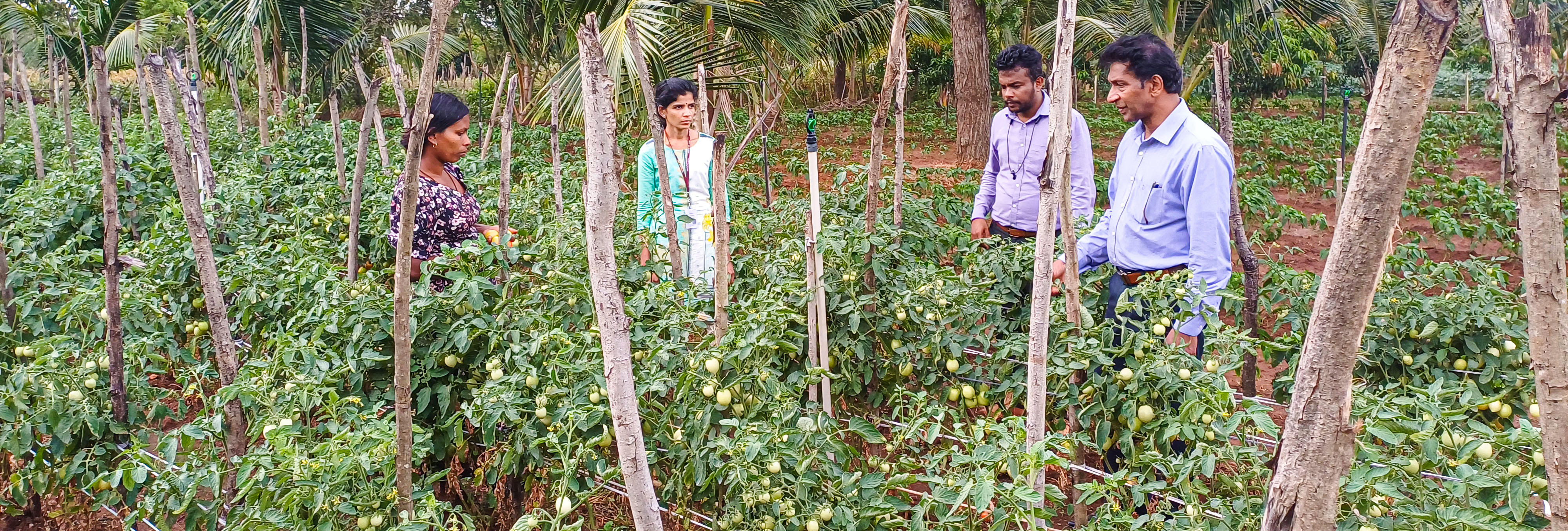
Before
CSIAP: The Burden of Farming Without Support
In
those early days, the couple’s struggles were relentless. They often found
themselves investing more in cultivation than they earned in return. Rising
input costs, unpredictable weather, poor irrigation facilities, and limited
exposure to modern farming techniques placed their livelihoods at constant
risk. There were moments of deep discouragement when they wondered if all their
hard work would ever pay off. They lacked not just equipment, but hope.

This
was more than a project—it was a lifeline.

A
Dramatic Improvement in Income and Quality of Life
The
impact of the project has been tangible and significant. Before CSIAP’s
support, the couple earned an average of Rs. 80,000 per month—barely enough to
cover household and farming expenses. Now, their monthly income exceeds Rs.
130,000, allowing them not only to cover costs comfortably but also to save,
reinvest, and plan for the future. With their improved financial status,
Nadeesha and Chamara have enhanced their standard of living, ensured better
education and nutrition for their children, and gained newfound respect in
their community as successful, climate-smart farmers.
Empowering
a Woman Farmer’s Voice
For
Ms. Nadeesha, the journey has been deeply personal. As a woman in agriculture,
she now feels more empowered, knowledgeable, and confident. She plays an active
role in decision-making on the farm and in managing finances. She serves as a
role model for other women in her village, proving that with access to the
right opportunities, women farmers can not only participate but also lead in
climate-smart farming.

Conclusion:
A Story Worth Replicating
The
story of Nadeesha and Chamara reflects the success of CSIAP’s mission: to
uplift rural farming families through sustainable, climate-smart agriculture.
They
are a compelling example of how investing in knowledge, sustainable technology,
modern tools, and financial relief and inclusive training can transform not
only fields but entire futures. Their success highlights the critical role that
targeted development projects like CSIAP can play in strengthening climate
resilience, empowering rural families, and building a food-secure future for
Sri Lanka. Their journey is not just their own—it’s a story that inspires other
families in their community to believe that change is possible. They are not
beneficiaries any more—they are ambassadors of change.
Story and photographs by Samantha Mallawaarachchi, IEC & ICT specialist, CSIAP
Posted by CSIAP Sri Lanka Read full blog article Read full web article Published Date : 2025-07-18
Lessons from the Climate Smart Irrigated
Agriculture Project
Sri Lanka’s journey toward
sustainable development has shown that climate resilience and social inclusion
cannot be treated as separate goals. The experience of the World Bank–financed
Climate Smart Irrigated Agriculture Project (CSIAP) demonstrates how investments
in irrigation, agriculture, and climate adaptation can also become powerful
platforms for advancing gender equality and women’s economic empowerment,
especially in rural and climate-vulnerable communities. 
Ms. Shanmuganathan delivering a lecture on Gender Equality
Climate-Smart Agriculture as a
Social Transformation Tool
Implemented by the Ministry of
Agriculture, Livestock, Lands, and Irrigation from 2019 to 2025 with World Bank
support, CSIAP was designed to enhance agricultural productivity, strengthen
climate resilience, and improve water management through approaches such as the
Village Tank Cascade System. However, beyond infrastructure and technology, the
project recognized a critical reality: climate risks disproportionately affect
women, particularly those from marginalized households, women-headed families,
and communities facing multidimensional poverty.
By integrating environmental, social, and gender considerations into project design and implementation, CSIAP moved beyond a purely technical intervention. It created space for women to participate in decision-making processes related to water management, farmer organizations, and community institutions—areas traditionally dominated by men.
Addressing Gender Gaps in Rural
Livelihoods
Despite Sri Lanka’s strong human
development indicators—high literacy rates and a majority female university
population—approximately about 35% of women participate in the paid workforce.
In rural areas, women’s contributions to agriculture and natural resource
management often remain unpaid, invisible, or undervalued.
The CSIAP
addressed this gap by:
These efforts highlighted an
important lesson: resilience-building is not only about physical assets, but
also about social power, voice, and agency.
The lessons learned under CSIAP
strongly align with and inform broader national initiatives such as Resilience-building,
Inclusivity, and Voices for Equality in Sri Lanka. the result frameworks include
to economically and socially empower women while addressing harmful social
norms that perpetuate gender-based violence and inequality.
The CSIA project operates across 258 Grama Niladhari Divisions in 11 districts and 6 provinces, focusing on women who face intersecting forms of marginalization, including women with disabilities, women-headed households, and plantation-sector workers. Similar to the CSIAP, the program adopts a holistic and gender-transformative approach, tackling root causes such as:
Importantly, CSIAP also invests
in capacity-building for officials at national, provincial, and district levels
on gender planning and budgeting—an approach that echoes CSIAP’s emphasis on
strengthening systems, not just communities.
Responding to Persistent and
Emerging Challenges
Experience from CSIAP confirms
that gender inequality is not solely a women’s issue, but a broader societal
challenge. High levels of sexual harassment in public spaces, low female labor
force participation, and Sri Lanka’s low ranking in the Global Gender Gap Index
highlight the urgency of sustained action.
At the same time, new risks are
emerging. Digital platforms offer opportunities for learning, entrepreneurship,
and connectivity, yet they also expose women to online harassment and
exclusion. Integrating digital inclusion and safety into development programs
is now essential to ensure that women can fully participate in climate-smart
and knowledge-based economies.
Toward Inclusive and
Climate-Resilient Futures
The Climate Smart Irrigated
Agriculture Project demonstrates that development outcomes are strongest when
climate resilience, gender equality, and social inclusion are addressed
together. Investments in irrigation infrastructure and climate adaptation can—and
should—also transform social norms, expand women’s leadership, and strengthen
community resilience.
As Sri Lanka moves forward with
initiatives like CSIAP and aligns with Outcome 6: Gender Equality and Women’s
Empowerment of the UN Sustainable Development Cooperation Framework
(2023–2027), the experience of CSIAP offers a clear message: empowering women
is not an add-on to development—it is a prerequisite for sustainable,
inclusive, and resilient growth.
By continuing to invest in
women’s voices, leadership, and livelihoods, Sri Lanka can build communities
that are not only climate-smart, but also just, inclusive, and capable of
thriving in the face of future challenges.
By: Sharmila Shanmuganathan, Social Safeguard and Gender Development
Officer, Project Management Unit, CSIAP
Posted by CSIAP Sri Lanka Read full blog article Read full web article Published Date : 2025-07-18
A strategic meeting aimed at advancing Climate Smart Agriculture (CSA) training and capacity-building initiatives was held this morning at the Ministry of Agriculture, Livestock, Land, and Irrigation (MALLI). The session focused on creating greater awareness about the proposed Climate Smart Agriculture Center (CSAC) and implementing National Vocational Qualification (NVQ) Level 1 to 4 training programs in Climate Smart Agriculture. Chaired by Dr. W. M. U. K. Rathnayake, Additional Secretary (Agri Technology) of MALLI, the meeting brought together key stakeholders, including senior officials from the World Bank, the Climate Smart Irrigated Agriculture Project (CSIAP), and relevant divisions of MALLI.

Key Highlights of the Meeting:
CSAC Development and Role: The meeting emphasized the importance of establishing the CSAC as a central hub
for promoting climate-smart agricultural practices and delivering structured
vocational training to farmers. The CSAC will operate under the Agri Technology
Division of MALLI and serve as a knowledge and innovation center to build
resilience in Sri Lanka’s agricultural sector.
Support from CSIAP and the World Bank: The CSIAP is providing financial and technical assistance to establish and
operate the CSAC throughout the project period. The World Bank, as a
development partner, reaffirmed its continued support for capacity-building
efforts aligned with climate adaptation and smart irrigation practices.
NVQ Training Workshops at Thirappane: The plan to conduct a series of workshops delivering NVQ Level 1–4 certified
training in Climate Smart Agriculture at the Climate Smart Agriculture School
in Thirappane was a key point of discussion. The success and outcomes of the initial
pilot workshop were reviewed, and strategies to expand and improve future
training programs were deliberated.
Future Plans and Coordination: Participants discussed logistical requirements, curriculum design, trainer
capacity, assessment mechanisms, and institutional collaboration needed to
implement a comprehensive NVQ-aligned CSA training framework. Steps to prepare
for upcoming workshops, including resource mobilization and stakeholder
engagement, were also outlined.
Outcome:
The meeting concluded with consensus on strengthening
inter-agency coordination and mobilizing necessary resources to accelerate the
operationalization of the CSAC. It was acknowledged that the integration of
vocational training into climate-resilient agricultural strategies is vital for
equipping rural communities with the knowledge and skills to adapt to climate
change.
Photograph by K. D. H. D. Karunathilake, MALLI
Posted by CSIAP Sri Lanka Read full blog article Read full web article Published Date : 2025-07-16

The
June Progress Review Meeting of the Climate Smart Irrigated Agriculture Project
(CSIAP) was held this morning at the Ministry of Agriculture, Land, Livestock
and Irrigation, bringing together Provincial Deputy Directors’ Offices to
assess project implementation status and identify areas for accelerated
progress.
The meeting was chaired by Ms. Anuradha Dharmasena, Director (Development) of the Ministry, who emphasised the importance of timely execution and the alignment of field-level activities with the broader national objectives of climate-resilient agriculture and sustainable irrigation development. Mr. Saman Bandulasena, Project Director of CSIAP, led the CSIAP team comprising Deputy Project Director Mr. K.V. Athula, specialists and officers from the Project Management Unit (PMU). The team presented detailed progress reports on activities carried out across project provinces, including infrastructure development, mechanised agriculture initiatives, farmer capacity building programs, and adaptive practices for climate resilience.
The review included discussions on:
Ms.
Dharmasena commended the efforts of the CSIAP team and urged all staff to
maintain momentum, resolve bottlenecks promptly, and ensure that intended
project outcomes—such as improved farmer resilience, increased productivity,
and efficient water management—are fully realized within the remaining
implementation period. The meeting concluded with a consensus on priority
actions, timelines, and follow-up mechanisms to ensure sustained progress in
the months ahead.
Photograph by Gayani Dassanayake, PMU-CSIAP
Posted by CSIAP Sri Lanka Read full blog article Read full web article Published Date : 2025-07-15
As part of its ongoing commitment to improving irrigation infrastructure and ensuring sustainable agricultural development, the Climate Smart Irrigated Agriculture Project (CSIAP) is rehabilitating five major tanks in the Kilinochchi and Mullaitivu districts at a total investment of Rs. 360.54 million. These rehabilitation efforts are aimed at enhancing water availability for farming communities, expanding command areas, and strengthening resilience to climate variability. To assess the progress of these vital infrastructure upgrades, Mr. Saman Bandulasena, Project Director of the CSIAP, undertook a special field visit to the Northern Province on the 11th of this month. During the visit, he inspected the ongoing rehabilitation activities at each of the five tanks and held discussions with the respective contractors and field teams.
 |
| Instructions from the Project Director to the Deputy Project Director |
The Project Director personally reviewed the work status and provided firm instructions to all contractors to accelerate the pace of work and ensure completion well ahead of the project’s scheduled conclusion on 31 December 2025. He underscored the importance of meeting deadlines without compromising on quality, highlighting the tanks’ strategic role in securing the livelihoods of farming communities and boosting agricultural productivity in the province. In addition to site inspections, Mr. Bandulasena issued specific directions to Mr. George Babu, Deputy Project Director for the Northern Province, and his technical team to closely monitor the rehabilitation process on a regular basis. He stressed the need for vigilant oversight and proactive problem-solving to ensure that all civil works are completed on time and to the required standards.
Further, the Project Director urged officials of the Provincial Irrigation Department to provide technical support and cooperate fully with the contractors. He emphasised that collaboration between implementing agencies, field-level officers, and local stakeholders is crucial to the successful and timely delivery of the rehabilitation works. The visit reinforced CSIAP’s hands-on approach to project management and its commitment to transforming irrigation systems to better serve rural communities in the face of climate change.
The following are the five tanks in Kilinochchi and Mullaitivu that were observed during the Project Director’s monitoring visit:

Scope of Work

Sustainable Development and Climate
Adaptation
The Vannerikulam tank rehabilitation aligns
with the CSIAP’s broader goals of promoting sustainable water resource management
and climate-smart agriculture in Sri Lanka’s dry zone. By restoring and
upgrading aged irrigation infrastructure, the project not only boosts productivity
but also empowers rural communities to adapt to changing climatic conditions. Once completed, the rehabilitated tank will
serve as a model for integrated, climate-resilient water management that
supports both environmental sustainability and economic empowerment for
smallholder farmers.
Rehabilitation of Ampalaperumal Kulam Tank in
Kilinochchi to Boost Agricultural Output

As part of its ongoing efforts to modernize
and strengthen irrigation infrastructure in the Northern Province, the CSIAP has initiated the rehabilitation of
the Ampalaperumal Kulam tank in Kilinochchi. This critical intervention is set
to enhance water storage, improve irrigation efficiency, and significantly
benefit local farming communities in the province.
Project Details and Scope of Work
The rehabilitation work has been entrusted to
Jayawanasa Constructions Company, with a total investment of Rs. 62.5 million (with
vat) allocated for the project. The planned civil works include:
 These improvements will help restore the tank
to its full operational capacity, ensuring reliable irrigation during both the
Yala and Maha cultivation seasons.
These improvements will help restore the tank
to its full operational capacity, ensuring reliable irrigation during both the
Yala and Maha cultivation seasons.
Impact on Agriculture and Farming Communities
Currently, 210 farmers to cultivate 630 acres
during the Maha season and approximately 300 acres in the Yala
season of paddy land using water from Ampalaperumal
Kulam Tank. However, water shortages and outdated infrastructure have long limited
the tank's efficiency.
Upon completion of the rehabilitation:
This enhancement will directly contribute to
the livelihoods of hundreds of families, supporting not only agricultural
productivity but also broader rural development.
Promoting Climate-Resilient Agriculture
The Ampalaperumal Kulam rehabilitation aligns
with the CSIAP’s overarching vision to promote climate-smart and sustainable
agriculture in vulnerable regions. By investing in durable infrastructure and
modern water management solutions, the project enables farmers to adapt to climate
change, reduce dependency on unpredictable rainfall, and improve their
resilience in the face of increasing environmental challenges.
The project is a testament to the
government’s commitment—through the CSIAP—to transforming traditional irrigation
systems into efficient, climate-resilient networks that empower communities and
secure the nation’s agricultural future.
Koddai Kaddiya Kulam
Rehabilitation Project Enhances Irrigation Prospects in Mullaitivu

As part of its
mission to improve rural livelihoods and strengthen climate resilience in Sri
Lanka’s dry zone, the CSIAP has launched the rehabilitation of Koddai Kaddiya
Kulam, a key irrigation tank located in the Mullaitivu District. The initiative
is expected to significantly expand water availability and cultivation
potential for the local farming community.

Key civil works under the project include:
These interventions are designed to restore the tank’s full functionality and prepare it to withstand climate-induced stressors such as droughts and heavy rains.
Agricultural Impact
Currently, 210
farmers rely on Koddai Kaddiya Kulam Tank to cultivate 420 acres during the Maha
season and approximately 300 acres in the Yala season. Due to limited water
availability and ageing infrastructure, cultivation during the dry season has
remained constrained.
Following the rehabilitation:
Advancing Sustainable Agriculture and Climate
Resilience
The Koddai Kaddiya Kulam rehabilitation is a strategic
investment under the CSIAP’s broader objective to modernize irrigation
infrastructure and promote climate-smart agricultural practices. By enhancing
the efficiency and reliability of traditional tanks, the project supports
farming communities in adapting to climate variability and achieving
sustainable year-round cultivation. This initiative marks another milestone in the
transformation of Sri Lanka’s rural agricultural landscape, strengthening both
food security and rural prosperity in Mullaitivu.
Iyankan
Kulam Tank Rehabilitation Set to Improve Irrigation and Expand Cultivation in
Mullaitivu

The
CSIAP continues its commitment to revitalizing vital irrigation infrastructure
across Sri Lanka’s dry zone with the rehabilitation of Iyankan Kulam, a major
irrigation tank located in the Mullaitivu District. This initiative is poised
to enhance water availability and agricultural productivity for hundreds of
farming families in the province.
Project
Overview and Scope of Work
The
rehabilitation of Iyankan Kulam is being undertaken by Anchaneya Constructions
Company, with a total investment of Rs. 66.8 million (with vat). The scope of
civil works focuses on restoring and strengthening the tank's infrastructure to
ensure optimal water storage and distribution.
The
key activities include:

Upon
completion of the rehabilitation:
Murukandi Kulam Tank Rehabilitation Project to Enhance
Water Security for Farmers in Mullaitivu

In a continued effort to uplift rural agriculture through improved irrigation infrastructure, the CSIAP has initiated the rehabilitation of Murukandi Kulam, a vital irrigation tank located in the Mullaitivu District. The project is set to restore the tank’s full capacity, enabling expanded cultivation and improved resilience to climate variability.
Project Scope and Execution
The rehabilitation work is being carried out by KPK
Builders Company, with a total investment of Rs. 59.6 million (with vat). This
major infrastructure intervention involves extensive civil engineering efforts
aimed at strengthening the tank’s embankments and modernizing its water control
systems.
Key components of the rehabilitation include:

These upgrades are designed to enhance the tank’s
water retention and distribution efficiency, creating conditions favourable for
reliable, year-round irrigation.
Agricultural and Community Benefits
Currently, 150 farmers depend on Murukandi KulamTank for
cultivating approximately 355 acres during the Maha season and 300 acres during
the Yala season. However, deterioration of infrastructure has constrained the
tank’s full potential, especially during the dry season.
Once rehabilitation is completed:
We
would like to express our sincere gratitude to Mr. Roshan Peries, Technical
Officer at the Deputy Director’s Office of the CSIAP in the Northern Province,
for his unwavering support and valuable input during the preparation of this
article. His prompt assistance, technical insights, and commitment to providing
accurate and up-to-date information significantly contributed to the quality
and comprehensiveness of the final content.
Story and photographs by Samanatha Mallawaarachchi, IEC & ICT Specialist, PMU
Posted by CSIAP Sri Lanka Read full blog article Read full web article Published Date : 2025-07-14


Showcasing
Mechanisation to the World Bank
Beneficiary
farmers from the Union Viluthukal Young Farmers Club in Konavil,
Kilinochchi, showcased the capabilities of walk-behind paddy transplanters to a
delegation of World Bank officials during the 14th Implementation Support
Mission of the CSIAP in April
2025 (please click the link to the story).
The demonstration featured the transplantation of AT 362 Verity (Red Nadu) rice seedlings over 50 acres using the walk-behind transplanters provided by the CSIAP. Of this, 10 acres belonging to farmer Ms. Sivayogaluxmy were harvested today (11th)using a modern combine harvester, further highlighting the potential for mechanised rice production in the Northern Province.
Increased
Productivity and Profitability
The
data presented a compelling case for the adoption of mechanised transplanting.
Under traditional manual methods, farmers typically yield 1,650 kg of paddy per
acre, generating Rs. 158,400 per acre at a selling price of Rs. 96 per kg.
Across 10 acres, this translates to Rs. 1,584,000.
In
contrast, the mechanised method using the walk-behind transplanters has
increased yields to 2,200 kg per acre, earning Rs. 211,200 per acre, totalling Rs.
2,112,000 from the same 10-acre extent—an additional income of Rs. 528,000
compared to conventional methods, proving the economic value of adopting modern
technology.

To
commemorate this milestone event, the guests were invited to take part in a
symbolic hand-harvesting ceremony, reflecting the age-old traditions of paddy
farming and paying homage to the hard work of generations of farmers. This
meaningful gesture was followed by a live demonstration of modern mechanised
harvesting, where advanced agricultural machinery efficiently reaped the paddy
fields—highlighting the project's successful integration of tradition with
innovation.


The event saw the participation of agricultural extension officers, local farmer communities, and technical staff from both the Project Management Unit and the Northern Provincial Department of Agriculture. The gathering served as a valuable platform for experience sharing, technical exchange, and planning the future of mechanised agriculture in the project area.
The Field Day, organised and facilitated by Mr. George Babu, Deputy Project Director of the CSIAP in the Northern Province, together with his provincial staff, underscored CSIAP’s commitment to pioneering climate-smart solutions that benefit rural livelihoods and ensure food security across Sri Lanka. Representatives from the Project Management Unit, CSIAP and technical experts from across the district were also in attendance.
A
Model for the Future
This
first mechanised harvest in Konavil serves as a powerful example of how modern
technology, community participation, and institutional backing can drive sustainable
agricultural transformation in rural Sri Lanka. The field day also served as a
platform for knowledge sharing, where farmers, agricultural extension officers,
and stakeholders exchanged experiences and discussed the future expansion of
mechanised agriculture in the province.
Story
and photographs by Samantha Mallawaarachchi, IEC & ICT Specialist, PMU, CSIAP
Posted by CSIAP Sri Lanka Read full blog article Read full web article Published Date : 2025-07-11
The Climate Smart Irrigated Agriculture Project (CSIAP) has commenced the rehabilitation of two key minor irrigation systems—Weerakatiya Wewa and Gamunu Wewa—located in Pelwatta, under the Buttala Agrarian Service Centre Division in Uva Province. With a total investment of Rs. 71.8 million, this intervention aims to enhance water security, boost paddy cultivation, and build climate resilience among local smallholder farmers.
Weerakatiya Wewa Rehabilitation to Boost Agricultural Productivity in UP

This expansion is expected to significantly increase paddy production during both Yala and Maha seasons, enhance food security, and improve the household incomes and livelihoods of the local farming community. The rehabilitation is expected to directly contribute to the following outcomes: Increased cropping intensity due to reliable irrigation, Reduction in water losses thanks to improved water control structures and Improved climate resilience for smallholder farmers through sustainable water resource management.

PMU Officials Witnessed the Rehabilitation Work
The commencement of the Weerakatiya Wewa Rehabilitation project was marked by the presence of a team from the Project Management Unit (PMU), CSIAP. The team included: Ms. Aruni Premathilake, Environmental and Social Safeguard Specialist, Mr. Samantha Mallawaarachchi, IEC & ICT Specialist and Ms. Sharmila Shanmuganathan, Social Safeguard and Gender Development Officer. Additionally, Mr. T.D. Bandara, Gender Development Officer from the office of the Deputy Project Director for the Southern and Uva Provinces, also participated in the event. This collaborative effort highlights the integrated approach towards environmental, social, and gender considerations in the rehabilitation of the Weerakatiya Wewa.

Gamunu Wewa Rehabilitation to Enable Year-Round Paddy Cultivation in UP


Improved Water Access for Smallholder Farmers
Gamunu Wewa currently supports 15 farmer families who
use the tank’s water to cultivate paddy during the Yala and Maha seasons.
However, limited storage capacity and outdated infrastructure have prevented
them from utilizing water during the mid-season, constraining productivity and
income.
With the completion of rehabilitation work, the tank will be able to store and distribute water more efficiently, enabling cultivation across all three cropping seasons — Yala, Maha, and the inter-monsoonal mid-season. This means: Increased cropping intensity and better land utilization, Improved income stability through additional harvests, Reduced risk of crop failure due to improved irrigation control and Greater resilience to climate variability, especially prolonged dry spells

Sustainability and Farmer Empowerment
The CSIAP places a strong emphasis on sustainability
and community participation. Following the rehabilitation, the operation and
maintenance of Gamunu Wewa will be handed over to the local farmer
organization, ensuring community ownership and encouraging participatory
irrigation management. This project is expected not only to enhance
agricultural output but also to serve as a model for scalable interventions in
other small-scale tanks in the province.
Monitoring, Guiding and Directing by the DPD, SP&UP
Mr.
D.M.L. Bandaranayake, Deputy Project Director of the CSIAP in the Southern and Uva Provinces, plays a key
leadership role in the rehabilitation of irrigation tanks in the province. He
actively monitors the progress of each project site, ensuring that work is
carried out efficiently and in accordance with technical standards and project
timelines. By providing strategic direction and practical guidance to his
staff, implementing agencies and contractors, he ensures that each assigned
task is executed with precision and dedication. His commitment to quality and
timely implementation significantly contributes to the success of the CSIAP’s
infrastructure development efforts.
Story and photographs by Samantha Mallawaarachchi, IEC & ICT Specialist, PMU, CSIAP
Posted by CSIAP Sri Lanka Read full blog article Read full web article Published Date : 2025-07-04
 |
| Rehabilitated Jandurawewa |
The Climate Smart Irrigated Agriculture Project (CSIAP), implemented by the Ministry of Agriculture, has made a substantial impact on farming communities across Sri Lanka’s dry zone. One of the most transformative interventions of the project has been the rehabilitation of traditional irrigation tanks, which are a vital source of water for agriculture in these climate-vulnerable areas. Through the restoration and strengthening of these tanks, the CSIAP has significantly improved the availability and reliability of water for paddy cultivation. As a result, paddy cultivation—which is highly dependent on a reliable water source—has seen notable improvements in both yield and consistency. Farmers, who once faced frequent crop failures due to water scarcity, now have access to adequate irrigation throughout the cultivation cycle.
 |
| Weeding in the paddy field |
In the heart of Ranawaranawa, under the Weerawila Agrarian Service Centre Division in Hambantota, lies the Jandurawewa tank – a once-neglected irrigation source that has now become a lifeline for 55 farming families. Spanning 48 acres, these farmers had long struggled with water scarcity, managing to cultivate paddy only during one season each year.
 |
| A paddy field being covered by a solar-powered electric fence |
Upon completion of the rehabilitation, the tank was officially handed over to the Parakum Farm Organisation for ongoing management and maintenance. Beyond paddy farming, the organisation has also tapped into an innovative income stream by cultivating lotus flowers in the tank, generating approximately Rs. 12,000 per month during the peak flowering season and around Rs. 7,000 per month during the off-season, contributing to the organisation’s financial sustainability and promoting diversified agricultural practices. The CSIAP didn’t stop there. Understanding the importance of year-round farming, the project also provided mung bean, chili, and groundnut seeds for inter-seasonal cultivation. These interventions have opened new avenues of income for farming families in the area.
 |
| Nirosha and Jayasena farmer family |
Among the beneficiaries are Mr. P. K. D. Jayasena and Mrs. R. M. Nirosha, a husband-and-wife farming duo who have witnessed a transformation in their livelihood. Sharing their journey, they said:“Before the tank rehabilitation, we struggled with severe water shortages and could only cultivate paddy during one season. Now, we cultivate two full seasons without issue and even grow a variety of vegetables such as Solanum torvum (Tibbatu), Thai Eggplant (Thalana Batu), Winged Bean (Dambala), Tomato, Long Beans (Ma Karal), Maize (Bada Iringu), and Cucumber.
Previously, our annual income was around Rs. 300,000 from the Paddy Cultivation. Now, we earn Rs. 1.7 million, with expenses totaling only Rs. 670,000. Vegetable farming alone adds another Rs. 1,586,000 to our income in 2024.” Mrs. Nirosha, who received training at the Farmer Training School in Thirappane on Climate Smart Agriculture Practices and Technologies, also benefited from a sprinkler irrigation system and financial support for a polytunnel, provided by the CSIAP. The couple expressed their deep gratitude to the CSIAP and the dedicated staff of the Deputy Project Director’s Office in Southern and Uva Provinces. They also extended special thanks to Mr. D.M.L. Bandaranayake, Deputy Project Director, for his continuous encouragement and support.
Beyond income gains, the success of paddy cultivation has led to broader socio-economic improvements. With better earnings, farmers are now able to invest in education, health, housing, and farm inputs—raising their standard of living and creating more resilient livelihoods. Women and youth, in particular, are finding new opportunities in post-harvest processing and agri-entrepreneurship supported by the project.
The
Jandurawewa tank rehabilitation has enabled year-round cultivation, diversified
income sources, and improved the resilience and prosperity of local farm
families. The project stands as a model for integrated water resource
management and community-driven agricultural development.
Story and photographs by Samantha Mallawaarachchi, IEC & ICT Specialist, PMU, CSIAP
Posted by CSIAP Sri Lanka Read full blog article Read full web article Published Date : 2025-07-04


As part of its mission to enhance the resilience and productivity of Sri Lanka’s irrigated agriculture, officials of the Climate Smart Irrigated Agriculture Project (CSIAP) conducted an inspection visit to multiple channel lining and agricultural road construction sites within the Bandagiriya Agrarian Service Centre Division, which falls under the Malala ara cascade system. These infrastructure developments aim to ensure consistent water availability for cultivation and improve access to remote agricultural fields, thereby empowering farming communities to engage in year-round paddy cultivation.


Engagement with Farmer Organisations
During the inspection, the CSIAP officials met with Mr.
U.H. Nimal Jayathilaka, the Chairman of the Thammannawa and Anukkanwewa Farmer
Organization. Mr. Jayathilaka shared valuable feedback and expressed his
appreciation for the timely interventions. He noted that the infrastructure
upgrades not only provide long-term solutions to irrigation challenges but also
uplift the morale of the farming community by opening new opportunities for
consistent agricultural production and livelihood improvement.
The
tour was effectively coordinated and facilitated by Mr. D.M.L. Bandaranayeke,
Deputy Project Director for the Southern and Uva Provinces, who played a key
role in organizing site visits and ensuring the smooth execution of the
itinerary. His guidance and support were instrumental in providing the visiting
officials with a comprehensive understanding of the ongoing project activities
and community impacts within the province.
Story and photographs by Samantha Mallawaarachchi, IEC & ICT Specialist, PMU, CSIAP.
Posted by CSIAP Sri Lanka Read full blog article Read full web article Published Date : 2025-07-02
 |
| The Workshop Introduction and NVQ Presentation by Ms. Theja Malkanthi |
In
a significant move towards formalising agricultural vocational training in Sri
Lanka, the Sri Lanka Climate Smart Agriculture Centre (SLCSAC) conducted
a comprehensive workshop today at the Ministry of Agriculture, Livestock,
Lands and Irrigation to develop a National Competency Standard for
Climate Smart Irrigated Agriculture (CSA) Practices. The workshop brought
together key stakeholders, including representatives from the Tertiary and
Vocational Education Commission (TVEC), Ministry officials, agriculture
experts, curriculum developers, and training providers, with the
objective of aligning Climate Smart Agriculture training programmes with
the National Vocational Qualification (NVQ) framework.
Currently, the Farm Business Development Course and Climate Smart Agriculture Practices Course—conducted under the World Bank-funded Climate Smart Irrigated Agriculture Project (CSIAP)—offer vital knowledge and skills to farmers across 11 districyts in the dry zone. These courses are delivered through the Farm Training School in Thirappane and Farm Business Schools established at farmer sites, primarily at Agrarian Service Centres. While these programs have significantly enhanced the vocational competencies of participating farmers, they are not yet aligned with the NVQ framework, and therefore lack formal accreditation, limiting their value at both national and international levels.
 |
| Welcoming participants to the workshop by Ms. Udula Sedara |
Addressing
this gap, today's workshop focused on formulating a National Competency
Standard that would provide the foundation for recognising CSA training
under the NVQ framework. Once adopted, this standard would enable training
institutions to offer NVQ-certified courses, increasing the credibility,
transferability, and employment potential of the skills acquired by farmers.
The initiative is also expected to support Sri Lanka’s broader goals of sustainable agriculture, climate resilience, and food security by equipping rural communities with skills that are officially certified and market-relevant. The development of this competency standard will undergo further review and validation in consultation with industry stakeholders and technical experts before it is finalised and endorsed by the Tertiary and Vocational Education Commission (TVEC).
The workshop was held in collaboration with the TVEC, the apex body for vocational education and training in Sri Lanka. Marking the importance of this initiative, Dr. Dilrukshi Herath, Assistant Director of NVQ at TVEC, participated in the event, representing the national authority responsible for implementing and monitoring the National Vocational Qualification (NVQ) framework.
The
main objectives of the workshop
were:
 |
| Dr. Sanjeewa Rodrigo |
The design and coordination of the NVQ accreditation process for SLCSAC were led by Dr. Sanjeewa Rodrigo, Agribusiness and Value Chain Specialist for the World Bank and the Food and Agriculture Organization of the United Nations (FAO). Speaking at the event, Dr. Sanjeewa Rodrigo noted, “This is a transformative step towards professionalizing climate-resilient farming. By aligning our training efforts with national qualifications, we ensure that our farmers receive the recognition they deserve and this workshop marks a pivotal moment in bridging the gap between practical agricultural training and formal vocational certification. “By developing a recognised competency standard, we are empowering farmers and building a resilient agricultural workforce for the future.”, he further added.

The Keynote Address on Climate Smart Agriculture (CSA) practices, National Vocational Qualification (NVQ), and the Sri Lanka Climate Smart Agriculture Centre (SLCSAC) was delivered by Dr. Athula Senarathne, Senior Agriculture Specialist at the World Bank. A speech on CSIAP Sustainability and Capacity Building Programming with a Focus on Resource Mobilisation was delivered by Mr. Saman Bandulasena, Project Director of the Climate Smart Irrigated Agriculture Project (CSIAP). Additionally, the Workshop Introduction and NVQ Presentation was delivered by Ms. M.P. Theja Malkanthi, former Assistant Director (NCS Development & Curriculum Development) at National Apprentice and Industrial Training Authority (NAITA). Dr. Dilrukshi Herath, Assistant Director (National Vocational Qualification Division), TVEC, elaborated on the contributions of the TVEC to the training programmes on Climate Smart Agriculture conducted by the SLCSAC.
Supporting this initiative, Development Officers from
MALLI's AgroTech Division—Ms. Udula Sedara, Ms. Hashini Peiris, and Ms. M.L.F.
Shifani —played a key role in organizing the event, with logistical
arrangements efficiently managed by Mr. Mahela Kumarasiri. High-level
officials from the Department of Agriculture, University of
Peradeniya, Tertiary and Vocational Education Commission, Meteorological
Department, Agriculture Research Station in Mahailluppallama, Paddy
Research Institute in Bathalagoda, Natural Resources Management Centre,
the World Bank, CSIAP, and the private sector also attended
the workshop.
Written
and photographed by Samantha Mallawaarachchi, IEC & ICT Specialist, PMU,
CSIAP.
Posted by CSIAP Sri Lanka Read full blog article Read full web article Published Date : 2025-06-23

A total of 300 trees—including Karanda and Kumbuk species—were planted in strategic locations within the Kattakaduwa area of the Parayan Tank, Pidaripallam Tank, and Uppuvil Tank. These sites are located under the jurisdiction of the Akkarayan Agrarian Service Center (ASC) in the Kilinochchi District. The activity was carried out in collaboration with local farming communities, project officers, and regional agricultural authorities, under the patronage of Mr. George Babu, Deputy Project Director of the CSIAP in the Northern Province.
This initiative aligns with CSIAP’s core objectives to: Promote climate-resilient agricultural practices, Enhance green cover in agricultural landscapes, Support biodiversity conservation and Create awareness among farming communities about environmental protection.

The CSIAP remains committed to enhancing the resilience of Sri Lanka’s agricultural sector through environmentally sound initiatives like this. This initiative not only commemorates World
Environment Day but also reinforces the project's broader goals of climate
resilience, watershed conservation, and environmentally sustainable agriculture.
Story by Ms. S. Kesiga, Environmental Safeguard Officer, Northern Province, CSIAP
Posted by CSIAP Sri Lanka Read full blog article Read full web article Published Date : 2025-06-19

The meeting marks the conclusion of the World Bank Technical Support Mission held from June 11–17, 2025. The session was chaired by Mr. D. P. Wickramasinghe, Secretary of the Ministry, with the World Bank delegation led by Mr. Tomas Ricardo Rosada Villamar (Practice Manager). Other key participants included Dr. Sheu Salau (Task Team Leader – TTL), Thiruni Liyanage (Co-TTL and Senior Water Resources Management Specialist), Dr. Athula Senaratne (Senior Agriculture Specialist), Mr. Seenithamby Manoharan (Senior Consultant for Agriculture and Rural Development), Mr. Jagath Seneviratne (Consultant for Monitoring & Evaluation), and Mr. Sanjeewa Rodrigo (Consultant for Agribusiness & Marketing).
Looking ahead, under Phase II of CSIAP, 173 tanks
are scheduled for rehabilitation in 2025. Of these, 15 tanks may see work
extend beyond December if rainfall exceeds expectations. All tanks are
currently under rehabilitation, with Dr. Salau confirming that the required
funds are fully committed and no cancellations are anticipated during the
current mission.
The meeting was also attended by Ms. Anuradha Dharmasena (Director, Development, MALLI), Mr. Saman Bandulasena (Project Director), as well as specialists and officers of the CSIAP.
Posted by CSIAP Sri Lanka Read full blog article Read full web article Published Date : 2025-06-17
 |
| Planting a tree on the preschool premises |
In celebration of World Environment Day— the United Nations' principal platform for encouraging global awareness and action to protect our planet— the Deputy ProjectDirector’s Office of the Climate Smart Irrigated Agriculture Project (CSIAP) in the Eastern Province recently organized a successful tree planting activity and educational programme at Kattukulam Navalar Preschool in the Trincomalee District.
This inspiring initiative brought together preschool children, teachers, parents, and local community members to raise awareness about environmental conservation and promote sustainable green practices. To mark the occasion, a tree was ceremoniously planted on the school premises, symbolising our shared responsibility to restore and protect the environment. In addition, 26 coconut saplings were distributed among the school children, encouraging them to plant and nurture these trees in their own gardens— a meaningful step towards fostering a lifelong commitment to environmental stewardship.
Mr. T. Sekaran, Social Safeguard Officer of the CSIAP in the Eastern Province and coordinator of the event, delivered an engaging lecture on environmental issues, emphasizing the importance of tree planting and the significance of World Environment Day. He was ably assisted by Mr. S.H.S. Eshan, Environmental Safeguard Officer, and Ms. U. Sameeha, Agriculture Facilitator (Kuchchaveli & Pulmoddai), who helped organize and facilitate the programme. Their efforts were carried out under the guidance and leadership of Mr. Sampasivam Naveendranthas, Deputy Project Director of the CSIAP in the Eastern Province.
Through this impactful effort, the CSIAP reaffirms its dedication to protecting the planet and nurturing a greener, healthier future for all. Every tree planted today is a step towards restoring our ecosystems and combating climate change.

Story by T. Sekaran, Social Safeguard Officer, CSIAP in the Eastern Province
Posted by CSIAP Sri Lanka Read full blog article Read full web article Published Date : 2025-06-14

The
SAR VPU Team Awards highlight initiatives that embody the World Bank’s core
values, including integrity, innovation, teamwork, and a results-oriented
approach to development challenges. Receiving this award signifies that CSIAP
has not only achieved its project objectives but has also contributed
meaningfully to sustainable agricultural development and climate resilience.
Out of a highly competitive pool of 81 nominated projects, only 19 projects, including CSIAP, were selected for this honour in 2025. This selection reflects the project’s outstanding achievements, effective implementation, and its ability to deliver tangible benefits to stakeholders, particularly in strengthening agricultural systems and improving livelihoods.
This recognition further reinforces CSIAP’s position as a model project within the region, showcasing best practices in project execution, stakeholder engagement, and impactful results aligned with global development priorities.
Posted by CSIAP Sri Lanka Read full blog article Read full web article Published Date : 2025-06-13
 |
| Dr. Salau reviews the project progress |
Dr.
Sheu Salau , Senior Agriculture Economist and Task Team Leader (TTL) for Climate
Smart Irrigated Agriculture Project (CSIAP) and his World Bank team arrived in
the Project Management Unit this morning to commence the Technical Mission of
the CSIAP. The primary objective of this mission is to assess the progress
of the project's implementation. Additionally, the mission will: (i) review the
status of committed funds and determine if partial cancellation is necessary;
(ii) evaluate the readiness to conclude all activities by December 31, 2025;
(iii) engage with sector authorities in ongoing policy discussions and World
Bank analytics; and (iv) participate in the PROGREEN consultation event focused
on landscape governance.
Multidisciplinary
World Bank Team Supports Final Phase Assessment
The
mission team included Eng. (Ms) Thiruni Liyanage, Co-TTL and Senior
Water Resources Management Specialist, Dr. Athula Senaratne, Senior Agriculture
Specialist, Mr. Seenithamby Manoharan, Senior Consultant
for Agriculture and Rural Development, Mr. Jagath Seneviratne,
Consultant for Monitoring & Evaluation and Mr. Sanjeewa
Rodrigo, Consultant for Agribusiness & Marketing.
High-Level
Consultations Planned with National and Provincial Stakeholders
During
this period, the team intends to meet with relevant staff from the Ministry of
Agriculture, Livestock, Lands, and Irrigation; Department of Agriculture;
Department of Agrarian Development; Department of External Resources; National
Planning Department; Chief Secretaries of the North Central, North Western,
Northern, Eastern, Southern, and Uva Provincial Councils; Project Management
Unit; and six provincial Deputy Project Directors (DPDs).
Field
Assessments and Beneficiary Engagement to Validate Project Impact
The
team will also conduct field visits to selected CSIAP project sites to assess
on-ground implementation, interact with beneficiaries, and gather feedback on
project outcomes. This mission is a key milestone in ensuring that CSIAP
delivers its intended impact and aligns with national development goals and
climate resilience strategies. The PMU team, comprising Provincial Deputy
Project Directors, Subject Specialists, and Officers, was led by Mr. K.V.
Athula, Deputy Project Director of the PMU, during this meeting.
Posted by CSIAP Sri Lanka Read full blog article Read full web article Published Date : 2025-06-12

This comprehensive report outlines key updates on environmental and social safeguard compliance and monitoring efforts across the project’s implementation areas. It reaffirms our continued commitment to: Sustainable irrigation infrastructure development, Livelihood protection, Stakeholder engagement, Biodiversity conservation and Effective grievance redress mechanisms
Key highlights of the report include:
The report also includes lessons learned, good practices, and province-wise monitoring summaries from the CSIAP’s target areas, offering valuable insights into the evolving safeguard landscape of the project.
Posted by CSIAP Sri Lanka Read full blog article Read full web article Published Date : 2025-06-11
 |
| Farmer Kumara's Paddy Field |
Background:
The Kumara Family’s Challenge
Mr.
A. Nishantha Kumara and Ms. S.D. Ayesha Nilangani, a farming couple from
Kawanthissapura in the Southern Province, struggled for years with irregular
income and poor yields due to inadequate irrigation, unpredictable weather, and
limited access to modern agricultural knowledge. Their main concern was
ensuring a better future for their two school-going children, particularly
through higher education.
CSIAP
Intervention and Support
 |
Kumara and Nilangani are actively engaged in cultivation |
 |
They are with the combined harvester purchased |
A
Model for Rural Development
The
Kumara family’s journey stands as a testament to the transformative power of
well-designed rural development initiatives. CSIAP’s holistic
approach—combining infrastructure, technical training, and ongoing support—has
not only improved their economic standing but also restored their dignity and
confidence as farmers.
 |
Nilangani with AF Pathumi |
“Thanks
to CSIAP, our lives have changed. We can now provide for our children’s future
and help others in our community do the same.” — Kumara family
The Kumara family’s story encapsulates the broader impact of CSIAP: empowering rural families, enhancing climate resilience, and fostering sustainable agricultural practices that benefit both people and the environment. Their story mirrors those of other CSIAP beneficiaries across Sri Lanka, where the project has rehabilitated hundreds of tanks, introduced modern irrigation systems, and provided training and material support to thousands of farmers. These efforts have allowed families to cultivate more land, diversify crops, and consistently improve their incomes.
Story and photographs by Pathumi Dissanayake, Agriculture Facilitator, SP, CSIAP
Posted by CSIAP Sri Lanka Read full blog article Read full web article Published Date : 2025-06-06

Is
CSIAP investing in Nature-Based Solutions to build sustainable climate
resilience and enhance ecosystems?
Yes. The World Bank–financed Climate Smart Irrigated Agriculture Project
(CSIAP), implemented by Sri Lanka’s Ministry of Agriculture, Livestock, Lands,
and Irrigation (2019–2025), actively applies Nature-Based Solutions (NbS) using
a Village Tank Cascade System approach. This strategy strengthens climate
resilience, restores ecosystems, and improves climate-smart agriculture in
vulnerable hotspot areas across 11 districts in six provinces.
1.Understanding
Nature-Based Solutions in CSIAP
Nature-Based
Solutions are actions that protect, manage, and restore ecosystems while
addressing societal challenges such as climate change, food security, and
biodiversity loss. CSIAP’s adoption of NbS directly supports Sustainable
Development Goal 13 (Climate Action) and aligns with Sri Lanka’s national
climate commitments, including greenhouse gas reduction and sustainable
development goals.
2.CSIAP’s
Key Components Supporting NbS
CSIAP
works through four integrated components:
To address these, it is recommended to strengthen policy frameworks, promote public–private partnerships, empower communities through participatory approaches, and expand rational monitoring systems.
Conclusion
Nature-Based
Solutions provide a cost-effective, scalable pathway for building climate
resilience and restoring ecosystems. CSIAP demonstrates how integrated water
management, climate-smart agriculture, and biodiversity conservation can work
together to deliver sustainable development outcomes. As climate risks
intensify, scaling up NbS-inspired initiatives will be critical for Sri Lanka
and other climate-vulnerable countries.
By Sharmila Shanmuganathan, Social Safeguard and Gender Development Officer, PMU, CSIAP
Posted by CSIAP Sri Lanka Read full blog article Read full web article Published Date : 2025-06-06

A Family United by Agriculture
Mr. Nandadewa, based
in Ranawarnawa under the Weeravila Agrarian Centre Division, is a shining
example of lifelong commitment to farming. His wife, Mrs. M. Karunawathi (age
58), provides unwavering support and courage, managing her own climate-smart home garden with
assistance from the Climate Smart Irrigation Agriculture Project (CSIAP). Their
shared passion for agriculture has inspired their son, Mr. W. G. Dinesh
Chathuranga (age 33), who has also embraced farming under his father’s
guidance.
 |
| AF Ms. Nuwanthi exchanges ideas with the farmer |
Mentorship and Support
Mr. Nandadewa’s
success is also attributed to the valuable guidance and mentorship from Mr. H.
J. A. Malaka, Agriculture Instructor at Mattala, who has worked closely with
him. He expresses deep gratitude to Agriculture Facilitator (AF) Ms. K. A. A.
Nuwanthi and the entire CSIAP team for their continuous support and
encouragement throughout his farming journey.
Story
and photographs by K.A.A. Nuwanthi, Agriculture Facilitator, SP, CSIAP
Posted by CSIAP Sri Lanka Read full blog article Read full web article Published Date : 2025-05-31

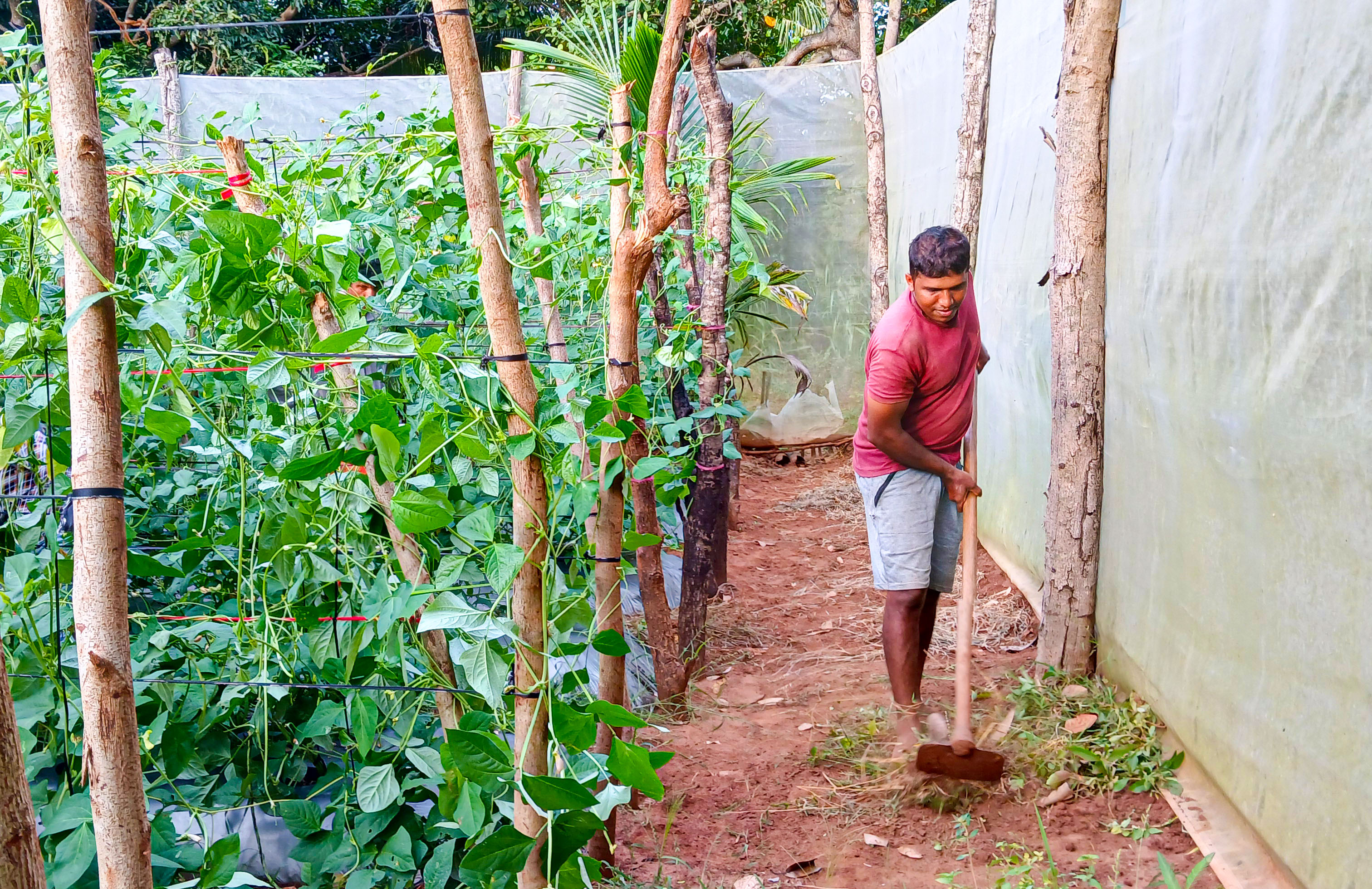 |
| Cleaning up weeds |
 |
| The farmer was being guided by AF Ms. Nuwanthi |
Resources
for Success
To
ensure the success of his cultivation, CSIAP provided Dinesh with key
agricultural inputs, including an insect-proof net and a drip irrigation system.
With these resources, he successfully cultivated long beans on a quarter-acre
plot of land.
Looking
ahead
Dinesh
is now eagerly awaiting his maiden harvest, a milestone that marks the
beginning of a promising future in agriculture. The CSIAP extends its best
wishes to Dinesh as he continues to grow as a climate-smart farmer and
entrepreneur. His journey is an inspiring example for other young people to
follow, proving that with the right support, training, and determination,
success in farming is not only possible but rewarding.
Story and photographs by K.A.A. Nuwanthi, Agriculture Facilitator, SP, CSIAP
Posted by CSIAP Sri Lanka Read full blog article Read full web article Published Date : 2025-05-30
 The Climate Smart Agriculture Project (CSIAP) is
committed to transforming young farmers into successful agripreneurs by
offering technical and infrastructural support. One inspiring example is Mr. H.
A. Prabash Kumara, a 41-year-old farmer from Bathalaara village, located in the Nugayaya
Grama Niladhari Division under the Wellawaya Agrarian Service Centre Division.
Thanks to his determination and the strategic support from the CSIAP, Mr. Prabash
has transformed his farming life and now serves as a role model for others in
his community.
The Climate Smart Agriculture Project (CSIAP) is
committed to transforming young farmers into successful agripreneurs by
offering technical and infrastructural support. One inspiring example is Mr. H.
A. Prabash Kumara, a 41-year-old farmer from Bathalaara village, located in the Nugayaya
Grama Niladhari Division under the Wellawaya Agrarian Service Centre Division.
Thanks to his determination and the strategic support from the CSIAP, Mr. Prabash
has transformed his farming life and now serves as a role model for others in
his community.
 |
| Farmer Mr. Prabash Kumara |
Turning Point with the CSIAP Support
Everything changed when the Deputy Project Director’s
Office of the CSIAP in Uva Province intervened. The project team identified
Prabash’s needs and provided critical support: an agro-well to address chronic
water shortages, a sprinkler irrigation system for his turmeric cultivation and an insect-proof net to protect his chilli crops. “These interventions were a real boost for me to move
forward,” he says. With improved water access and crop protection, Prabash
began cultivating:
1.5 acres of paddy,
3.5 acres of intercropped fields with pumpkin, mango, orange, gotukola,
gherkin, tomato, and banana and long-term crops like guava and coconut. He proudly uses only rainwater and the agro-well water
for his farming needs and even supplies water to five neighbouring families to
help them continue their cultivation.
 |
| Managing his livestock |
 |
| Farmer Mr. Prabash with AF Ms. Kasurika |
Gratitude and Recognition
Prabash
expresses his deep gratitude to the CSIAP,
especially to Ms. W. M. Kasurika,
Agriculture Facilitator in Wellawaya, for her unwavering guidance and support
throughout his farming journey. He also extends his sincere thanks to Mr. D.V.C. Nishans, former Agriculture Instructor in the Wellawaya area and Mr. D. M. Sashika Priyankara, present Agriculture
Instructor, whose technical expertise and dedicated assistance
played a crucial role in the successful cultivation of his crops. The combined
support and encouragement from three officers have been instrumental in his
transformation into a successful agripreneur.
Today, Prabash earns a net profit of Rs. 200,000 per month, a remarkable turnaround from his earlier struggles. His journey is a testament to how targeted support, sustainable practices, and personal determination can change lives and uplift communities.
Farmer Mr. Prabash Kumara spoke with heartfelt gratitude, emphasizing how the CSIAP had transformed his life. “Thanks to CSIAP, my life has turned around, and now I help others grow with me,” he said, reflecting a deep sense of purpose and commitment to his community.
Photographs by Nuwan
Dileepa, Monitoring and Evaluation Officer, SP&UP, CSIAP
Story by Samantha
Mallawaarachchi, IEC&ICT Specialist, PMU, CSIAP
Posted by CSIAP Sri Lanka Read full blog article Read full web article Published Date : 2025-05-29

A
field visit was conducted on 19 May 2025 to the Bundala Wewa Tank, part of the
Wilmanna Cascade, under the Bundala Wewa Rehabilitation (Phase II) initiative
of the Climate Smart Irrigated Agriculture Project (CSIAP). The objective of
the visit was to assess the ongoing rehabilitation works, review environmental
and social safeguard compliance, and monitor overall progress.
The following officials participated in the visit:
Bundala Wewa Tank, located within a wildlife-protected area, is undergoing rehabilitation under CSIAP Phase II to support sustainable agriculture for fifteen (15) beneficiary farmers cultivating 12 acres annually. All necessary approvals have been secured from the Department of Wildlife Conservation (DWLC), and the beneficiary farmers did not lose their Yala paddy cultivation due to the tank rehabilitation, as the tank bund had already been damaged for the past three years.
The rehabilitation of the Bundala Wewa Tank was undertaken by W M Siri Construction, with physical works having commenced on 2nd May 2025. Bundala Wewa Tank — the final reservoir in the Wilmanna Cascade — is now at the heart of a transformative journey. Fed by five upstream tanks before draining into the sea, this once-deteriorating irrigation source is being rehabilitated under CSIAP Phase II to improve the livelihoods of 15 farmers and ensure sustainable cultivation for years to come.
During the visit, the team observed that:

Yet, community involvement remains strong:
Recommendations
Going Forward
Posted by CSIAP Sri Lanka Read full blog article Read full web article Published Date : 2025-05-22
.jpg)
The following officials participated in the visit:
Murunga Wewa Tank, located within a wildlife-protected area, is undergoing rehabilitation under CSIAP Phase II to support sustainable agriculture for nine (09) beneficiary farmers cultivating 30 acres annually. All necessary approvals have been secured from the Department of Wildlife Conservation (DWLC), and beneficiary farmers have agreed to forego the 2025 Yala season to facilitate uninterrupted rehabilitation work.
.jpg)
The
rehabilitation of the Murunga Wewa Tank was undertaken by CJ Construction, with physical works
having commenced on 29 April 2025. During the visit, the team observed that:
Recommendations:
The
Murunga Wewa rehabilitation is progressing despite environmental and logistical
challenges, with strong community engagement and adherence to environmental
safeguards. The farming community appreciates the project’s support and
anticipates full resumption of cultivation following project completion.
The Environment and Social Safeguard Officers provided guidance on addressing these concerns through community consultations and improved grievance redress mechanisms. Recommendations were made to strengthen monitoring of safeguard compliance and ensure timely communication with stakeholders. The team commended the efforts of the contractor and project staff but emphasised the importance of maintaining standards in line with CSIAP guidelines and World Bank safeguard policies.
Please click the Field Visit Report to read more.
By Sharmila Shanmuganthan, Social Safeguard and Gender Development Officer, PMU,
CSIAP
Posted by CSIAP Sri Lanka Read full blog article Read full web article Published Date : 2025-05-22
 |
| Mrs. Leelawathi is managing her cultivation |
Engaged in traditional farming alongside her husband Mr. K.A. Somathilaka, a farmer, Mrs. Leelawathi cultivates crops during both the Yala and Maha seasons. Her journey with the CSIAP began in 2022, when she sought agricultural guidance. Since then, I have supported her closely by offering technical knowledge, monitoring her fields, and helping her adopt modern farming techniques to enhance her economic stability.
 |
| Farmer Mrs. G. Leelawathi |
Mr.
Malaka worked diligently to educate Mrs. Leelawathi on good agricultural practices and provided
technical guidance to ensure successful cultivation. His dedicated efforts in
guiding farmers have been instrumental in advancing the project's development
objectives, and his commitment is truly appreciated. Mrs. Leelawathi also
participated in the Farmer
Business School programs, gaining valuable insights into the
marketing of agricultural products. Recognising her commitment and talent, the
project provided her with an insect-proof
net, drip
irrigation system, poly-mulch
for ¼ acre, and a composting
kit.
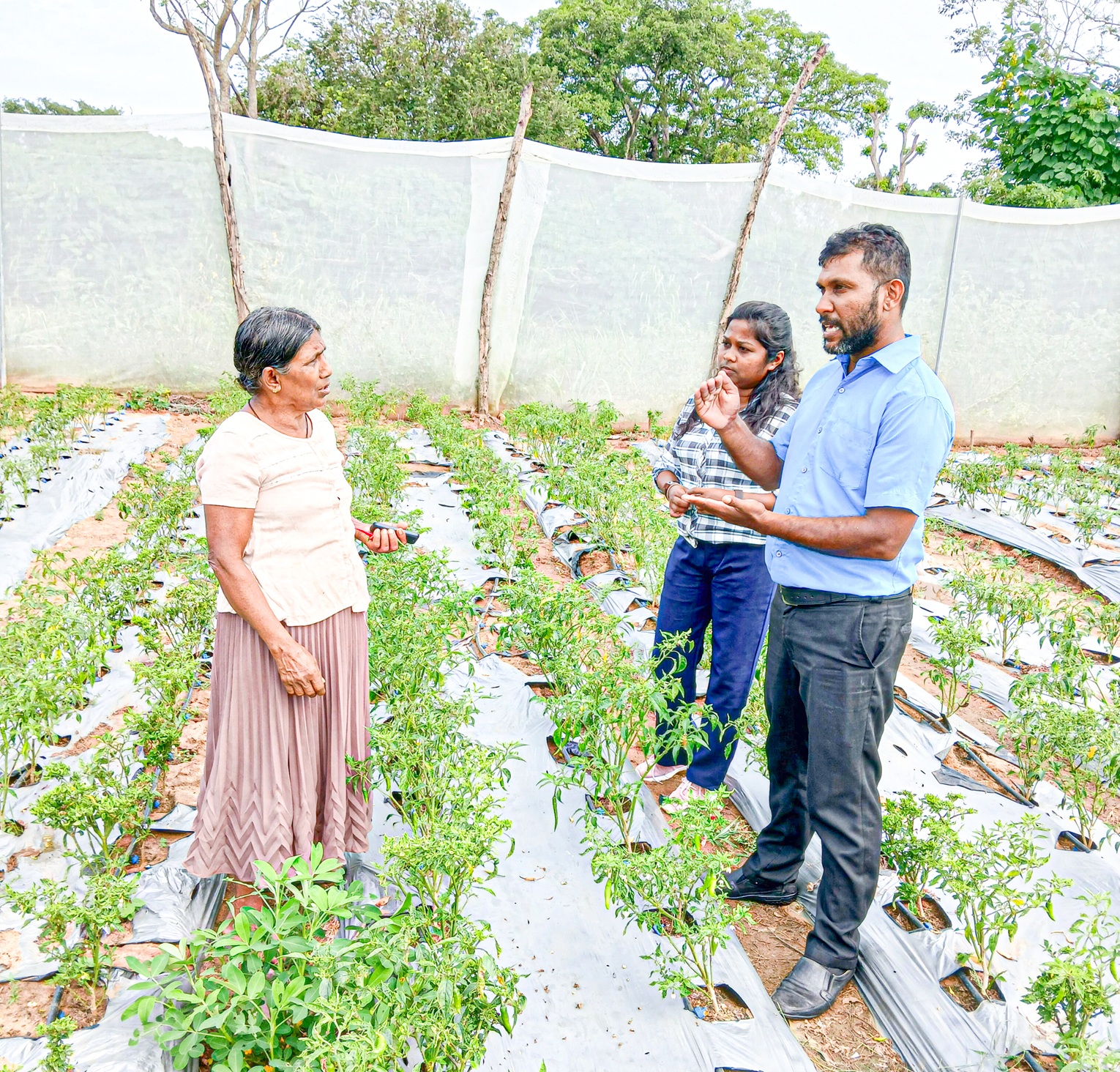 |
| AI Mr. Malaka and AF Ms.Nuwanthi with the farmer |
Her
first harvest yielded 650–750 kg
of chilli, with a production cost of around Rs. 25,000 and a return of
approximately Rs. 150,000—a
substantial profit that demonstrates the value of climate-smart agriculture. Mrs.
Leelawathi’s story is a testament to the transformative power of knowledge,
innovation, and dedication. Her success serves as a model for other farmers in
the area.
Story and photographs by K.A.A. Nuwanthi, Agriculture Facilitator, SP, CSIAP
Posted by CSIAP Sri Lanka Read full blog article Read full web article Published Date : 2025-05-20

This comprehensive report outlines key updates on environmental and social safeguard compliance and monitoring efforts across all project implementation areas. It reaffirms our ongoing commitment to: Sustainable irrigation infrastructure development, Livelihood protection, Stakeholder engagement, Biodiversity conservation and Grievance redress mechanisms.
Report Highlights:
In addition, the report captures lessons learned, good practices, and province-wise monitoring summaries from the CSIAP implementation areas. The report also documents lessons learned, good practices, and province-wise monitoring summaries from across the CSIAP target areas.
Access the full report via the link :🔗 Safeguard Progress Report(Phase II - 2025)
"Please go to the Publications section of the CSIAP website: http://www.csiap.lk/, then navigate to the Safeguard Documents > Other Safeguard Documents, and look for the report listed there."
Written by Ms. Sharmila Shanmuganthan, Social Safeguard and Gender Development Officer, PMU, CSIAP
Posted by CSIAP Sri Lanka Read full blog article Read full web article Published Date : 2025-05-12

Planting a tree is more than just placing a seed in the soil—it is sowing the values of responsibility, care, and respect for the environment. Today, our preschool children, guided by their teachers and parents, have taken part in an act that symbolizes hope, growth, and a greener tomorrow. The event witnessed the enthusiastic participation of 52 children and 6 teachers from both Galakadawala and Gomarankadawala Preschools. In a significant step towards promoting environmental awareness among young learners, 60 Tom E JC mango plants and 60 coconut seedlings were distributed to children to be planted at their homes.
By giving each child a mango or coconut seedling, the CSIAP encourages hands-on learning and strengthens the bond between families and nature. These small hands planting tiny saplings will one day grow into strong trees, just like our children, growing into responsible citizens of the world. The highlight of the event was the ceremonial tree planting at the preschool premises by the CSIAP official,s including Project Director Mr. Bandulasena and Mr. Sampasivam Naveendrathas, the newly appointed Deputy Project Director of CSIAP for the Eastern Province.
This meaningful programme was coordinated and organised by Mr. T. Sekaran, Social Safeguard Officer of the CSIAP in Eastern Province, with the aim of officially launching the CSIAP Week in the province. The event emphasised both environmental stewardship and community engagement, aligning with CSIAP's broader goals. Agriculture Facilitators from Gomarankadawala and Pankulam and parents of preschool children also took part, further reinforcing the message of cultivating a greener future through collective action and early education.

Posted by CSIAP Sri Lanka Read full blog article Read full web article Published Date : 2025-05-09

Before recommencing rehabilitation activities, The HALO Trust completed a final clearance and completion survey at Vavetti Kulam. The resulting mine clearance report was submitted to the PMU and the World Bank for official record. As a final precaution, awareness and safety training will be held for all site workers and Social Audit Committee members, underscoring CSIAP’s commitment to ensuring safety and community involvement. This incident highlights the critical importance of conflict-sensitive planning and robust risk management in post-conflict development initiatives. The full documentation—including certificates, correspondence, and photographs—is available in the official project records.
Please click Identified Antipersonnel Landmines at the Vavetti Kulam Tank Site in Mullaitivu District to read it, and click the Clearance Certificate to read it.
Written by Ms. Sharmila Shanmuganathan, Safeguard Division, PMU, CSIAP
Posted by CSIAP Sri Lanka Read full blog article Read full web article Published Date : 2025-05-09
.jpg)
The
comprehensive report outlines significant progress and updates on environmental
and social safeguard compliance and monitoring across all project areas. It
highlights our continued commitment to sustainable irrigation infrastructure
development, livelihood protection, stakeholder engagement, biodiversity
conservation, and robust grievance redress mechanisms.
The CSIAP extends its sincere gratitude to all stakeholders and partners whose collaboration has been instrumental in achieving this milestone
Highlights of the report include:
The report also documents lessons learned, good practices, and province-wise monitoring summaries across the CSIAP’s target areas. The full report is now accessible through our website under the "Publications" section.
In addition to that, please click The Bi-Annual Safeguard Progress Report on 20th March 2025 to read the report and click Annexes of the above report to refer.
By
Sharmila Shanmuganthan, Safeguard Division, PMU, CSIAP
Posted by CSIAP Sri Lanka Read full blog article Read full web article Published Date : 2025-05-09

The
Climate Smart Irrigated Agriculture Project (CSIAP) has intensified efforts to
expedite its ongoing tank rehabilitation programme in the North Western
Province (NWP). A special progress review meeting on tank rehabilitation work
with contractors was held this morning (May 8) at Mahagethara Holiday Resort in
Kurunegala, chaired by Mr. S.M. Saman Bandulasena, Project Director of the CSIAP. Mr.
H.M.P. Bandara, Deputy Project Director for the NWP, warmly welcomed
participants and outlined the meeting’s objectives, emphasizing the importance
of collaboration, accountability, and adherence to timelines in achieving
project milestones.
During the session, Mr. Bandulasena, Project Director of the CSIAP reiterated the urgency of completing all rehabilitation works within the stipulated timeframe. He stressed the pivotal role of contractors in ensuring the successful implementation of this crucial initiative, which aims to enhance climate resilience and agricultural productivity in the region. The meeting was organised and facilitated by Mr. Bandara and his dedicated provincial team, reflecting their continued commitment to the timely delivery of the project’s objectives. Senior officials from the Department of Agriculture Development in Kurunegala and Puttalam also attended the meeting, contributing their insights and support to the tank rehabilitation initiative.

Mr.
R.M. Wijerathna, a 57-year-old farmer from Koskotagolla, Rambe, actively
participated in on-site Climate-Smart Agriculture (CSA) training under the
CSIAP project. In addition to this, he received further training at the CSA
Farmer Training School in Thirappane. With support from the project, Mr.
Wijerathna was provided with a solar pump and a micro-irrigation system to
enhance his agricultural practices. before the interseason period, he received
groundnut and green gram seeds, as well as insect-proof nets to support
intercropping. He also cultivates Cavendish bananas with assistance from the
project. His successful adoption of CSA practices caught the attention of Mr.
Bandulasena, Project Director of the CSIAP, who visited his field during the NWP’s progress review to witness the farmer’s achievements
firsthand.

Mr.
S.G.I.P. Karunarathna, Agriculture Instructor in Rambe, played a pivotal role
in the successful cultivation of Cavendish banana by providing timely and
practical technical guidance, along with the confidence and encouragement
required by farmer Mr. R.M. Wijerathna to adopt improved cultivation practices.
His continuous field-level support helped the farmer overcome initial
challenges and implement climate-smart and productive farming techniques
effectively.
Mr.
Karunarathna also had the opportunity to explain to Project Director Mr.
Bandulasena the systematic approach he followed in supporting the farmer
throughout the entire cultivation process, from land preparation to crop
management. Recognizing the impact of this hands-on guidance, the Project
Director highly appreciated the significant contribution made by Mr.
Karunarathna in ensuring the success of the farmer’s banana cultivation through
his dedication, technical expertise, and sustained support.

Mr.
G.B. Chandana, a 51-year-old farmer from Moragoda, Rambe, has successfully
cultivated tomatoes with the significant support of the CSIAP. He was provided
with a micro irrigation system, poly mulch, tomato seeds, insect-proof netting,
and GI pipes, which greatly enhanced his cultivation practices. Mr. Chandana
also received practical training both onsite and at the CSA Farmer Training
School in Thirappane, equipping him with valuable knowledge and skills in
climate-smart agriculture.

Mr. H.G.V.G. Nimal
Karunarathna,
a 61-year-old farmer from Moragoda, Rambe, received essential support from the CSIAP to
successfully cultivate capsicum and chilli. The project provided him with a micro irrigation system, poly
mulch, and insect-proof netting with GI pipes, along with capsicum and MICH1 chili seeds.
To further enhance his skills, Mr. Karunarathna participated in on-site CSA training
as well as formal training at the CSA Farmer Training School in Thirappane.

Agriculture Instructor Mr. Karunarathnan conducts the Farmer Business School Training Programme on behalf of the CSIAP for members of the Other Field Crops Producer Society in Potthuwepitiya, Mahawewa. Mr. Karunarathna makes his utmost effort to develop the business and marketing skills of the CSIAP farmers, contributing significantly toward achieving the project's development objectives. In addition to his work on capacity building, he also provides invaluable technical guidance and support to help farmers in Rambe cultivate successfully. The CSIAP sincerely appreciates the dedicated service he continues to provide to uplift the farming community.
A special thanks to Ms. Imesha Dissanayake,
Agriculture Facilitator in Rambe, for her dedication and tireless efforts toward
the betterment of farmers. Her consistent presence at the ground level and
strong rapport with the farming community have been instrumental in driving
progress toward our project development objectives. We also extend our sincere
appreciation for providing the necessary information and photographs that
contributed to the writing of this article.
By
Samantha Mallawaarachchi, IEC & ICT Specialist, PMU, CSIAP
Posted by CSIAP Sri Lanka Read full blog article Read full web article Published Date : 2025-05-08

More specifically, the CSIAP’s NPSC's mission includes
Top officials from the MALLI, the World Bank, the Implementing Agencies, and the Chief Secretaries of the respective provinces
were also present at the meeting. The CSIAP team, led by Project Director Mr.
S. M. Saman Bandulasena, also participated in the meeting, along with Deputy
Project Directors, Subject Specialists, and Project Officers.

Posted by CSIAP Sri Lanka Read full blog article Read full web article Published Date : 2025-04-29

The Climate
Smart Irrigated Agriculture Project (CSIAP) is actively promoting an agro-tourism
village in
Siyambalagaswewa, located in Kawantissapura of the Southern Province, under the visionary guidance of the
Project Director. This initiative aims to enhance rural
livelihoods, showcase sustainable farming practices, and attract visitors to
experience the rich agricultural heritage of the region. This initiative aligns
with the current government's mandate to strengthen agro-tourism across the
country. As a key development project, CSIAP is committed to supporting and
advancing this national priority. Agro-tourism not only supports rural
livelihoods but also fosters a deeper connection between people and the land.
Sri Lanka, currently grappling with a foreign exchange crisis, could greatly benefit from promoting agro-tourism as an unique opportunity for the country to earn foreign currency by attracting international visitors seeking authentic rural experiences. By showcasing traditional farming practices, local cuisine, and cultural heritage, agro-tourism not only promotes sustainable agriculture but also boosts tourism revenue. Visitors from abroad are often willing to spend on farm stays, organic produce, guided tours, and handicrafts—directly injecting foreign currency into rural economies. This blend of agriculture and tourism helps diversify income sources for farmers, strengthens local economies, and contributes positively to a nation’s foreign exchange reserves.
Benefits of Agro-Tourism: Agro-tourism offers a unique blend of agriculture and tourism, providing a range of benefits for both rural communities and visitors. Key advantages include:
1. Economic Development: It
creates an additional source of income for farmers and boosts local economies
by attracting tourists.
2. Employment Opportunities:
It generates jobs in rural areas, reducing migration to urban centres.
3. Cultural Exchange:
Visitors gain insight into rural lifestyles, traditions, and agricultural
practices.
4. Education and Awareness:
Tourists, especially students, learn about sustainable farming, food
production, and environmental conservation.
5. Rural Revitalisation:
Infrastructure and public services often improve as a result of increased
tourism activity.
6. Preservation of
Agriculture: It encourages farmers to maintain traditional farming methods and
conserve biodiversity.
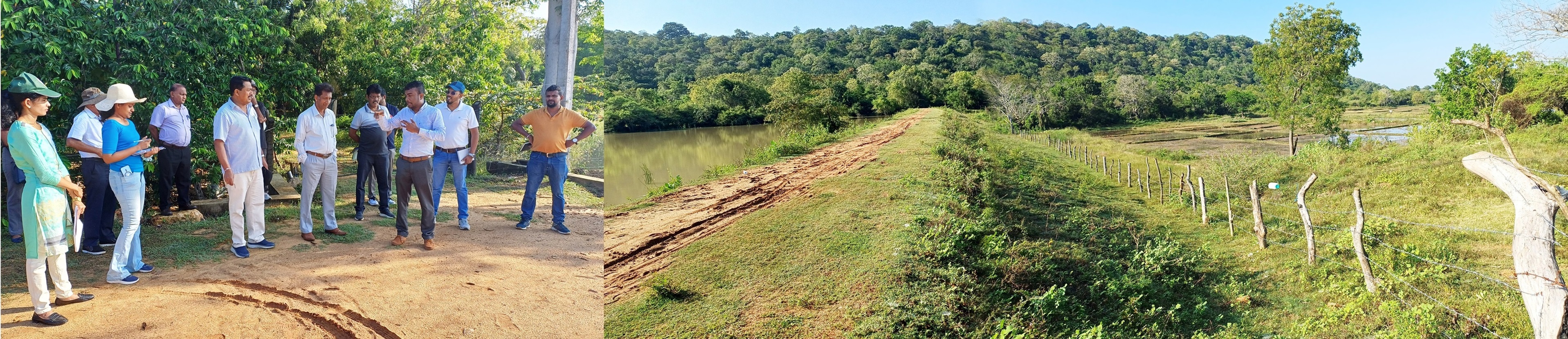
A
team comprising subject specialists and officers, accompanied by the Project
Director from the PMU, visited the Kawantissapura area today (25th) as part of the initial
steps toward establishing an agro-tourism village. This initiative aims to
integrate sustainable agriculture with tourism, enhancing local livelihoods,
promoting environmental stewardship, and showcasing the rich agricultural
heritage of the region. The visit l included discussions with local farmers,
site assessments, and planning sessions to identify opportunities for community
involvement and long-term benefits. Mr.
Thisara Bandara, Gender/Social Safeguard Officer of the CSIAP in the Southern and
Uva Provinces, briefed the PMU team on the concept of the Agro-Tourism Village.
Mr. D. M. L. Bandaranayake, Deputy Project Director of the CSIAP in the
Southern and Uva Provinces, along with his provincial officers were also
present.
Posted by CSIAP Sri Lanka Read full blog article Read full web article Published Date : 2025-04-25


As part of a
recent field visit, the Project Director and team visited the Thambarawewa tank
under the Babewa Cascade in Uddakandara, which was rehabilitated under the
CSIAP initiative.The visit showcased the significant benefits of the
rehabilitation efforts. Local farmers shared that they are now able to
cultivate during the Yala, Maha, and inter-season periods without experiencing
water scarcity.Farmers expressed their heartfelt gratitude to CSIAP for
restoring the tank, which has greatly enhanced their agricultural productivity
and overall livelihoods.

During the field visit, the PMU team also visited the Rotawalawewa
tank in Uddakandara, which has been successfully rehabilitated under the CSIAP
initiative. Thanks to the rehabilitation, farmers in the area can now cultivate
during all three agricultural seasons—Yala, Maha, and inter-season—without
concerns over water availability. The farming community expressed their
sincere gratitude to CSIAP for restoring the tank, which has brought renewed
hope and stability to their livelihoods.

Karawdiganawewa tank in Uddakandara has been selected
for rehabilitation under Phase II of the CSIAP initiative.The planned
interventions include:
Bund improvement
Spill improvement,
Desilting of the tank and Construction of water distribution channels. Once
completed, the rehabilitated tank will cover approximately 15 acres of
agricultural land and directly benefit 15 farming families in the area. This
effort is part of
the CSIAP’s ongoing
commitment to improving irrigation infrastructure and strengthening the
resilience of rural farming communities. Marking the commencement of the
rehabilitation work, the Project Director symbolically operated a backhoe on
the tank bund, officially launching this vital phase of development.

As part of the CSIAP’s ongoing efforts to enhance agricultural
productivity, laser land levelling is scheduled to be carried out in Muwanwewa,
Uddakandara, covering approximately 30 acres of paddy fields. This intervention
is expected to improve water-use efficiency, reduce input costs, and support
uniform crop growth — ultimately contributing to increased yields and
sustainable farming practices for the local farming community.

A special coordination meeting was held at the Training
Centre and Resort in Bogahapalassa, Kavanthissapura, bringing together contractors
and implementing agencies involved in the ongoing construction work under the
project. During the meeting, the Project Director stressed the urgency of
completing the remaining activities and called on all contractors to expedite
progress while strictly adhering to the agreed timelines. The discussion also
focused on identifying key challenges currently hindering smooth
implementation. Stakeholders worked collaboratively to explore practical
solutions to these issues, with the shared goal of ensuring steady and
efficient progress on the ground.
Stakeholders are encouraged to extend their full cooperation to support this momentum. These efforts are aimed at ensuring the timely delivery of key milestones and maximising impact on the ground. The CSIAP Staff in Southern has enhanced coordination with local stakeholders, optimised resource allocation, and introduced streamlined processes to improve efficiency. We are confident that these measures will contribute to faster progress and more effective outcomes.

The Climate Smart Irrigated Agriculture Project
(CSIAP) has provided a solar-powered water pump to three farmers in
Siyambalagaswewa, Kawantissapura, to aid in the cultivation of seven acres of
farmland, including four acres of paddy fields. The beneficiaries of this
initiative are Mr. G.M. Upali Wijerathna (50), Mr. S. Premala (51), and Mr.
M.A. Gayan (39), who are now better equipped to manage irrigation sustainably
and efficiently. Mr. Harsha Sandaruwan, the Agriculture Instructor in
Thissamaharama, is offering technical guidance and support to ensure the
successful cultivation and optimal use of the solar pump system.

Mr. Sudath Vidanagamage, a 51-year-old farmer from Amarawewa, received a solar-powered water pump to support the cultivation of various crops on his 7-acre farmland. With the help of this solar pump, he is now growing banana, mango, brinjal, papaya, lemon, manioc, okra, and luffa gourds more efficiently. The introduction of solar technology has significantly reduced his operational costs—saving him approximately Rs. 80,000 per month in electricity expenses. This sustainable solution not only supports Mr. Vidanagamage's livelihood but also promotes eco-friendly farming practices in the area.
The
field visits were organised and facilitated by Mr. D.M.L. Bandaranayake, Deputy
Project Director of the CSIAP in Southern and Uva Provinces, with the support
of his provincial staff.
By Samantha Mallawaarachchi, IEC & ICT Specialist, PMU, CSIAP
Posted by CSIAP Sri Lanka Read full blog article Read full web article Published Date : 2025-04-24

A high-level meeting was held today (10th) at the World Bank
Office in Colombo to review progress and ensure the successful completion of
the Climate Smart Irrigated Agriculture Project (CSIAP) by December 2025. The
meeting brought together senior representatives from the World Bank, including
Dr. Sheu Salau, Senior Agriculture Economist and Task Team Leader (TTL) for
CSIAP; Ms. Thiruni Liyanage, Co-TTL and Water Resources Management Specialist;
Dr. Athula Senaratne, Senior Agriculture Specialist; Ms. Anula Harasgama,
Senior Financial Management Specialist; and Mr. Seenithamby Manoharan, Senior
Consultant for Agriculture and Rural Development.
The discussion was joined by the CSIAP team, led by Project
Director Mr. Saman Bandulasena, along with specialists and officers from the
Project Management Unit. The session provided an opportunity to reflect on the
project’s key achievements, review challenges encountered during
implementation, and identify strategic actions required in the remaining
period. Emphasis was placed on sustaining the project’s outcomes, ensuring
financial and operational readiness, and consolidating the collective efforts that
have driven CSIAP toward a successful and impactful conclusion.
Posted by CSIAP Sri Lanka Read full blog article Read full web article Published Date : 2025-04-10
 The World Bank officials,
visiting the implementation sites of the CSIAP as part of the 14th
Implementation Support Mission, were warmly welcome CSIAP’s beneficiary farmers
in North Central Province. This mission is designed to ensure that the project
is progressing as planned, identify challenges, and provide technical assistance
wherever needed to facilitate effective implementation. Dr. Sheu Salau (Senior
Agriculture Economist/Task Team Leader (TTL) for the CSIAP), Ms. Thiruni
Liyanage (Co-TTL /Water Resources Management Specialist), Dr. Athula Senaratne
(Senior Agriculture Specialist), Ms. Saumya Srivastava (Agriculture Specialist and
CSIAP ICR Author), Mr. Seenithamby Manoharan (Senior Consultant, Agriculture
and Rural Development), Jagath Seneviratne (Monitoring & Evaluation
Consultant) and Mr. Sanjiva Rodrigo (Value Chain and Agribusiness Consultant)
of the World Bank joined the mission.
The World Bank officials,
visiting the implementation sites of the CSIAP as part of the 14th
Implementation Support Mission, were warmly welcome CSIAP’s beneficiary farmers
in North Central Province. This mission is designed to ensure that the project
is progressing as planned, identify challenges, and provide technical assistance
wherever needed to facilitate effective implementation. Dr. Sheu Salau (Senior
Agriculture Economist/Task Team Leader (TTL) for the CSIAP), Ms. Thiruni
Liyanage (Co-TTL /Water Resources Management Specialist), Dr. Athula Senaratne
(Senior Agriculture Specialist), Ms. Saumya Srivastava (Agriculture Specialist and
CSIAP ICR Author), Mr. Seenithamby Manoharan (Senior Consultant, Agriculture
and Rural Development), Jagath Seneviratne (Monitoring & Evaluation
Consultant) and Mr. Sanjiva Rodrigo (Value Chain and Agribusiness Consultant)
of the World Bank joined the mission.
Here’s an overview of what it
generally entails:
The following activities are carried out during a Mission:
The World Bank Officials visited several sites
in Anuradhapura as follows:


The next stop on the visit
took the officials to Mr. Sujeewa Rajapaksha’s farm in ‘Nabadawewa’, where
innovation and sustainability are visibly taking root. With support from CSIAP,
Mr. Sujeewa has embraced modern agricultural techniques, his fields now
flourish under a drip irrigation system and protective insect nets, both
provided through CSIAP. As he proudly walked the officials through his farm, he
explained how these technologies have revolutionized their water use, allowing
every drop to be maximized in an area where water scarcity is a key concern.
Beyond infrastructure, Mr. Sujeewa highlighted the holistic support offered by
CSIAP, including ongoing training, technical guidance, and advisory services.
He also received an agro well and a solar-powered system, significantly
reducing the cost and effort of accessing water for irrigation. With visible
gratitude, he shared that one of his family members had the opportunity to
attend the Agriculture Training Programme at the Farmer School in ‘Thirappane’,
which is initiated under CSIAP to empower local farmers with climate-smart
agricultural skills and knowledge. His story stood as a testament to how
targeted support and innovation can transform lives and livelihoods . The journey
continued to Mr. Susil Rajapaksha’s home, where the officials were greeted with
warmth and enthusiasm by him and a group of fellow farmers. Among them was Mrs.
Swarnalatha, who graciously shared her story, one of resilience,
transformation, and newfound opportunity. With a quiet pride, she spoke of how
life has changed since becoming involved with the CSIAP. Together with her
husband, she cultivates rice in their paddy fields while maintaining a
flourishing home garden that provides not only for their family but also
generates extra income through the sale of surplus produce. A passionate
cultivator, she has ventured into growing ‘naimiris’, a local variety of
bonnet chilli, and even sells the chilli plants, which has become a rewarding
and steady source of income. She credited the CSIAP for offering much more than
materials; it brought knowledge, guidance, and confidence. The installation of
an agro well and a solar-powered system significantly reduced their
water-related costs, while training sessions and technical support introduced
them to climate-smart practices such as drip irrigation and the use of
insect-resistant nets. What stood out most in Mrs. Swarnalatha’s testimony was
her belief that the change brought about by CSIAP was not merely beneficial but truly transformative. ‘It’s not just our family that has grown,’ she said
with heartfelt sincerity, ‘the whole village has started to thrive.’ Her story
encapsulated the spirit of community empowerment and sustainable development
that CSIAP aims to cultivate.
. The journey
continued to Mr. Susil Rajapaksha’s home, where the officials were greeted with
warmth and enthusiasm by him and a group of fellow farmers. Among them was Mrs.
Swarnalatha, who graciously shared her story, one of resilience,
transformation, and newfound opportunity. With a quiet pride, she spoke of how
life has changed since becoming involved with the CSIAP. Together with her
husband, she cultivates rice in their paddy fields while maintaining a
flourishing home garden that provides not only for their family but also
generates extra income through the sale of surplus produce. A passionate
cultivator, she has ventured into growing ‘naimiris’, a local variety of
bonnet chilli, and even sells the chilli plants, which has become a rewarding
and steady source of income. She credited the CSIAP for offering much more than
materials; it brought knowledge, guidance, and confidence. The installation of
an agro well and a solar-powered system significantly reduced their
water-related costs, while training sessions and technical support introduced
them to climate-smart practices such as drip irrigation and the use of
insect-resistant nets. What stood out most in Mrs. Swarnalatha’s testimony was
her belief that the change brought about by CSIAP was not merely beneficial but truly transformative. ‘It’s not just our family that has grown,’ she said
with heartfelt sincerity, ‘the whole village has started to thrive.’ Her story
encapsulated the spirit of community empowerment and sustainable development
that CSIAP aims to cultivate.

Next, the officials made their
way to ‘Nabadawewa Lake’, one of the region’s most expansive and
breathtaking lakes in ‘Nabadawewa’ Cascade, to commemorate a significant
milestone, the unveiling of the plaque marking the commencement of its
rehabilitation under the second phase of CSIAP. Set against a stunning natural
backdrop, the moment carried both symbolic and practical weight, signalling a
renewed commitment to preserving and revitalizing this precious water resource.
During their visit, the officials engaged in a warm and productive conversation
with members of the Social Audit Committee from the ‘Nabadawewa’ Farmer
Organization, led by Mr. K. Dissanayake. This committee plays a vital role in
community-led monitoring, ensuring that every step of the rehabilitation
process remains transparent, accountable, and in tune with local needs. The
officials took time to observe the committee’s ongoing work and appreciated
their active involvement in overseeing such a critical initiative. Their
discussions extended into the technical and logistical aspects of the
rehabilitation, underscoring the importance of collective effort in restoring
the lake to its full ecological and agricultural potential.


Mr. K. Premathilake shared his
experience, describing the remarkable transformation brought about by the
introduction of laser-levelled paddy fields. Compared to the past, this modern
approach has made a remarkable difference. Tasks that once took days are now
completed in hours. From ploughing to planting, every step is easier, more
efficient, and far less time-consuming. For these farmers, this technology
hasn’t just improved the land, it has given them back precious time and energy
to invest in growing their future. Furthermore, the officials had the
opportunity to witness how the rehabilitated ‘Horanakkarayagama Lake’
was now sustaining vibrant agricultural activity during the ‘Yala’
season, a striking contrast to past limitations. As they moved through the
fields, they saw farmers making the most of every drop, not only through
improved irrigation but also by embracing innovation. One such example was Mr. K.
Wijayakumara, who demonstrated how he had transitioned to using modern
seed-sowing technology this season, a leap forward from the more traditional
methods he employed before CSIAP was implemented. His story reflected a broader
shift, where access to water and technology is not just transforming farming
practices, but reshaping futures.

Next, the officials visited
Mr. S.M.S. Samaraweera and his group of enthusiastic farmers, who proudly
introduced their forward-thinking initiative, the ‘group village’ concept. This
idea revolves around unity, shared purpose, and land consolidation, where farmers
contribute their individual plots of land to create a collective farming
system. Together, they cultivate crops, pool their resources, and share the
rewards. A simple yet powerful example came from Mr. Samaraweera himself, he
owns an agro well on his land, but instead of keeping it for personal use, he
willingly shares it with his fellow farmers, ensuring water access for all.
This spirit of cooperation marks the beginning of a new era, where collective
resource use is not just about survival, but about creating pathways to
prosperity. The vision does not stop at the field, the group aims to scale up,
directly connecting with local markets and exporters, turning their
collaborative effort into a sustainable, market-driven enterprise.

At last, the officials arrived
at the meeting of the ‘Nabadawewa’ Cascade Management Committee (CMC),
held at the serene and historic ‘Nambakada’ Raja Maha Viharaya, a
beautiful temple nestled in the heart of ‘Nambakada’. Born from the
CSIAP initiative, the CMC was established with a vital mission, to protect,
sustain, and breathe new life into the delicate and interconnected ‘Nabadawewa’
Cascade system. The gathering was more than just a meeting, it was a living
example of collaborative governance in action. Representatives from key
government bodies sat alongside local beneficiary groups, all united by a
shared commitment to preserving the cascade's natural heritage. Through
inclusive dialogue and strategic planning, the CMC is crafting a roadmap for
long-term conservation and sustainable water management, ensuring that these
ancient waters continue to nourish both land and life for generations to come.
Mr. S.M. Saman Bandulasena, Project Director, graced the occasion alongside a team of specialists from the Project Management Unit, bringing their insight and expertise to the field. The entire World Bank Mission in the North Central Province was organized and facilitated by Mr. R.P.M. Dissanayake, Deputy Project Director of CSIAP in the North Central Province and the provincial staff. With the unwavering support of his committed provincial team, Mr. Dissanayake, ensured that every step of the mission was both meaningful and impactful, weaving together coordination, collaboration, and community engagement into a truly memorable visit.
By Madushani Gunathilake, PhD, Researcher at the Adam Smith Business School, University of Glasgow, UK and
Senior Lecturer of the Faculty of Management, University of Peradeniya, Sri Lanka.
Posted by CSIAP Sri Lanka Read full blog article Read full web article Published Date : 2025-04-09

The
World Bank Team of the 14th Implementation Support and Review Mission of
the Climate Smart Irrigated Agriculture Project (CSIAP) arrived in North
Central Province today (07th) to ensure that the project is being implemented
effectively, in accordance with the agreed-upon plans, and is on track to
achieve its development goals of the CSIAP. The progress review meeting of the
province commenced at Sooriya Wessagiri Resort, Anuradhapura, this afternoon.
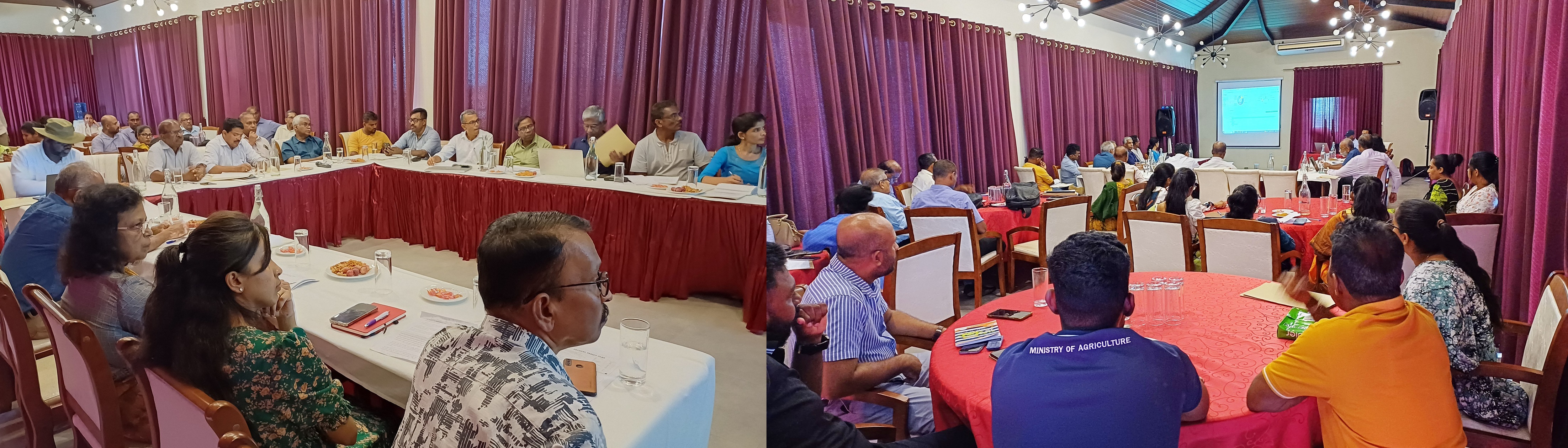
The World Bank’s supervision is critical for maintaining accountability, enhancing transparency, and ensuring the effectiveness of the CSIAP. Representing the World Bank, Dr. Sheu Salau (Senior Agriculture Economist/Task Team Leader (TTL) for the CSIAP), Ms. Thiruni Liyanage (Co-TTL /Water Resources Management Specialist), Dr. Athula Senaratne (Senior Agriculture Specialist), Mr. Seenithamby Manoharan (Senior Consultant for Agriculture and Rural Development) and Jagath Seneviratne (Consultant for Monitoring & Evaluation) joined the mission.
The progress of the CSIAP’s activities in North Central Province was presented through Management Information Systems (MIS) by Subject Specialists in front of the World Bank team. Mr. Saman Bandulasena, Project Director and Subject Specialists and Officers of the Project Management Unit were also present at this meeting. Ms. Madushani Gunathilake, PhD Researcher at the Adam Smith Business School, University of Glasgow, UK and Senior Lecturer of the Faculty of Management, University of Peradeniya also participated. Mr. R.P.M. Dissanayake, Deputy Project Director of the CSIAP in North Central Province guided and facilitated this World Bank Mission in North Central Province with his staff.
Posted by CSIAP Sri Lanka Read full blog article Read full web article Published Date : 2025-04-07

Here's a breakdown of what it typically involves:
Typical Activities During a Mission


The CSIAP completed rehabilitation works of the Kudithankiyakulam tank in Oddusuddan, covering a total command area of 54 acres and handed it over to farmers. This programme aimed at improving water resource management and community infrastructure. The scope of work included the construction of a bund, bathing steps, sluices, water channels, and access roads. These efforts are part of a broader initiative to enhance irrigation efficiency, ensure a reliable water supply, and improve accessibility for local communities. The project is expected to significantly contribute to sustainable agricultural practices and community well-being. The World Bank team met and exchanged views with farmers in the area.


In a positive development for agricultural land in Oddusuddan, 69-year-old farmer Mr. V. Rubanathan has successfully cultivated watermelon and bitter gourd. This success is largely attributed to the use of high-quality seed varieties and an efficient sprinkler irrigation system provided by the project. The combination of premium seeds and modern watering techniques has resulted in improved crop yields, healthier plants, and more sustainable farming practices. Additionally, effective water flow management has ensured efficient conveyance downstream, further supporting the overall productivity of the land.

A
2.5 km long solar-powered electric elephant fence has been successfully erected
in Thattaya Malai and Perisalamban - a major stride in mitigating
human-elephant conflict (HEC). This eco-friendly initiative now protects 600
acres of farmland and directly benefits over 2,000 families across four
Divisional Secretariat Divisions. More than just a barrier, this solar-powered
system safeguards both lives and livelihoods while fostering peaceful
coexistence between humans and elephants. It stands as a powerful example of
community-led conservation and sustainable living, paving the way for a safer,
greener future for all.

Mr.
Ananda Ruban, a 45-year-old farmer, was provided with several agricultural
inputs to support successful year-round cultivation. These included an Insect-Proof
Net, Agro Well, Sprinkler System, Inter-Cultivator, and Roller Seeder. To
further enhance productivity and promote sustainable farming practices,
high-quality seeds of Groundnut, Chilli, Watermelon, Capsicum, and Onion, along
with Onion Bulbs, were also distributed.
Mr.
S.M. Saman Bandulasena, Project Director, along with specialists from the
Project Management Unit, were also present. The World Bank Mission was
organized and facilitated by Mr. George Babu, Deputy Project Director of the
CSIAP in the Northern Province, with the support of his provincial staff.
By Samantha Mallawaarachchi, IEC & ICT Specialist, PMU, CSIAP
Posted by CSIAP Sri Lanka Read full blog article Read full web article Published Date : 2025-04-07

Dr. Sheu Salau, Senior Agriculture Economist and Task Team Leader (TTL) for the Climate Smart Irrigated Agriculture Project (CSIAP), was honoured with a token of appreciation by Mr. George Babu, Deputy Project Director of the CSIAP in the Northern Province, during the 14th Implementation Support Mission of the CSIAP.
This gesture reflects the profound gratitude of the
CSIAP team for Dr. Salau’s exceptional leadership, steadfast support, and
invaluable contributions to the project’s progress. His guidance has been
instrumental in steering CSIAP toward its development objectives with
dedication and strategic vision.
Dr. Salau’s leadership has not only ensured effective coordination and oversight but has also inspired the project team to pursue excellence at every stage. The CSIAP deeply values his commitment and the collaborative spirit he consistently brings to the partnership. The CSIAP extends its heartfelt thanks for his ongoing support, which continues to enhance the impact and effectiveness of the project on the ground.
Posted by CSIAP Sri Lanka Read full blog article Read full web article Published Date : 2025-04-06

The CSIAP beneficiary farmers from the Union Viluthukal Young Farmers Club in Konavil, Kilinochchi, demonstrated the capabilities of walk-behind paddy transplanters in front of World Bank Officials who are on the 14th Implementation Support Mission of the CSIAP in Northern Province. The walk-behind paddy transplanter is designed for transplanting rice seedlings into a puddled and levelled field. It is recommended for small to medium-sized farms. This requires less time than manual transplanting and minimises the drudgery and cost of rice transplanting. Additionally, it ensures higher crop productivity, optimal plant spacing, and a greater number of seedlings per hill. Moreover, it uses less labour and ensures timely planting, requires less time than manual transplanting, minimises the drudgery and cost of rice transplanting, ensures higher crop productivity and provides optimum plant spacing and number of seedlings per hill. The CSIAP provided Unionviluthukal Young Club with three walk-behind paddy transplanters, three power weeders, transplanting trays, and paddy seeds. Transplanters are used in 40 acres of paddy fields in both the Yala and Maha seasons. The machines given are used, and transplanting nurseries are maintained under the guidance and supervision of Mr. S Diriyan, Agriculture Instructor in Akkarayakulam.
The nursery bed is a crucial component when using a walk-behind paddy transplanter, and its necessity lies in ensuring that the seedlings are grown in a way that matches the machine’s requirements. Here's a breakdown of why it’s needed:
1.
Uniform Seedling Growth: The machine requires uniform seedlings (same height,
density, and maturity) to operate efficiently, and a well-managed nursery
ensures consistent growth, which is key for smooth transplanting.
2.
Mat-Type Seedlings: Walk-behind rice transplanters typically use mat-type
seedlings grown on flat nursery beds (often on plastic sheets or trays), and the
machine lifts and cuts these mats into rows and plants them – random seedlings
won’t work.
3.
Proper Root Structure: Nursery beds are designed to encourage dense, shallow
root systems that hold together well in a mat, and this is essential for the
mechanical fingers of the transplanter to grip and plant the seedlings without
breakage.
4.
Machine Compatibility: The seedling mats must match the dimensions of the
transplanter’s seedling tray, and preparing the nursery bed accordingly ensures
the machine operates without jamming or missed planting.
5.
Time and Labour Efficiency: A properly prepared nursery ensures faster and more
accurate planting, saving time and labour compared to manual transplanting, and poor
nursery prep = machine downtime and manual corrections = lost efficiency.

Mr.
S.M. Saman Bandulasena, Project Director and Specialists from the Project
Management Unit, were also present. Mr.
George Babu, Deputy
Project Director of the CSIAP in Northern Province, organized and facilitated
this World Bank Mission with his provincial staff.
Posted by CSIAP Sri Lanka Read full blog article Read full web article Published Date : 2025-04-06

The World Bank Team led by Dr. Sheu Salau (Senior
Agriculture Economist/Task Team Leader (TTL) for the CSIAP) of the 14th
Implementation Support and Review Mission of the Climate Smart Irrigated
Agriculture Project (CSIAP) arrived in Northern Province today (06th) to assess
the current implementation status and evaluate the achievements against the
project development objectives of the CSIAP’s progress in Northern Province. The
progress review meeting commenced at the CSIAP's Provincial Deputy Director's Office in Kilinochchi, this
afternoon.

Posted by CSIAP Sri Lanka Read full blog article Read full web article Published Date : 2025-04-06

The World Bank Team on the 14th Implementation Support mission was warmly welcomed during the mission by the CSIAP beneficiary farmers in Eastern Province. The mission is conducted to assess progress on implementation, identify challenges, and provide guidance on necessary corrective measures to ensure the project remains aligned with its objectives and agreed timelines of World Bank-supported CSIAP. The World Bank has been actively conducting an Implementation Support Mission (ISM) every six months to monitor and enhance the effectiveness of the CSIAP. Representing the World Bank, Dr. Sheu Salau (Senior Agriculture Economist/Task Team Leader (TTL) for the CSIAP), Ms. Thiruni Liyanage (Co-TTL /Water Resources Management Specialist), Dr. Athula Senaratne (Senior Agriculture Specialist), Ms. Saumya Srivastava (Agriculture Specialist and CSIAP ICR Author), Mr. Seenithamby Manoharan (Senior Consultant for Agriculture and Rural Development), Jagath Seneviratne (Consultant for Monitoring & Evaluation) and Mr. Sanjiva Rodrigo (Consultant for Value Chain and Agribusiness) joined the mission.
Objectives of the Mission: The main objectives of the mission are to:
Activities Undertaken During the Mission: During the mission, the team undertook the following activities:

Mr.
M. Nisanthan, a 29-year-old graduate of the University of Peradeniya, is an
active participant in the CSIAP programme in Kuchchaveli, Trincomalee. As part
of the project’s support, he received a drip irrigation system, vegetable
seeds, and poly mulching materials for his cultivation activities. Mr.
Nisanthan successfully completed Climate Smart Agriculture (CSA) training at
the Farmer Training School in Thirappane, along with business training at the
Farmer Business School in Kuchchaveli. With the knowledge gained and the
guidance provided by the project, he now cultivates onions, long beans, and
brinjal successfully.

Mr.
K. Konesh, a 61-year-old farmer from Kuchchaveli, Trincomalee, received
training on Climate-Smart Agriculture (CSA) at the Farmer Training School in
Thirappane, along with additional onsite CSA training. As part of the project
support, he was provided with a sprinkler irrigation system and
seeds—specifically, chilli and brinjal. Ms. U. S. Sameeha, the Agriculture
Facilitator in Kuchchaveli, continues to provide Mr. Konesh with the necessary
technical guidance and information to support his farming activities.

Dr. Sheu Salau officially unveiled the plaque of the Thuwarankulam Project in Pulmoddai alongside his team. This important initiative marks a significant step in enhancing local irrigation infrastructure.Under the project, eight new turnouts and a 1 km-long water channel will be constructed. Additionally, a new sluice will be built, while the existing tank bund, one sluice, and a spill will undergo essential repairs. As part of the project’s inclusive approach, the World Bank team engaged directly with farmers and members of the Social Audit Committee.

The World Bank officials received a warm welcome from the farmers in Pulmoddai, who then accompanied them to the Pulmoddai Agrarian Service Centre for a meeting with members of the Kaataru and Puliyankulam Cascade Management Committees.

World
Bank officials visited the Seed Paddy Cleaning Unit in Mailawewa,
Gomarankadawala, to observe its daily operations. The CSIAP has provided a
Paddy Seed Cleaner and a Bag Closer Machine to the Vishaka Producer Society,
enabling them to carry out the unit’s day-to-day functions efficiently.

Young
farmer Mr. Kasun Nirmal, 24, from Mailawewa, received an insect-proof net, poly
mulching materials, and a drip irrigation system through the project. He also
underwent onsite training on Climate-Smart Agriculture (CSA) practices.
Currently, Kasun cultivates capsicum and chilli using these improved
techniques.

Mr.
M. Dharmadasa, a 61-year-old farmer from Galgadawa, has significantly enhanced
his farming practices through support received under the Climate-Smart
Agriculture (CSA) initiative. The project equipped him with solar panels, an
agro well, an insect-proof net, poly mulching, and a drip irrigation
system—transformative tools for sustainable farming. To build his capacity, Mr.
Dharmadasa attended CSA training at the Farmer Training School in Thirappane
and the Farmer Business School. Additionally, he benefited from specialised
onsite training tailored to CSA techniques. As part of the support package, he
also received high-quality seeds, including chilli, capsicum, mung beans, and
maize, helping him diversify and strengthen his crop production. Mr.
Dharmadasa's journey exemplifies how targeted interventions and training can
empower smallholder farmers to adopt resilient, climate-smart agricultural
practices.

A
3km long solar-powered electric elephant fence, which covers 60 acres, was
given to Gamunu Farmer Society in Madugahawewa. The solar-powered
elephant fence is proving to be an effective and sustainable solution to
mitigate human-elephant conflicts, particularly in areas where the CSIAP is
being implemented. These fences utilise solar energy, reducing reliance on grid
electricity and lowering operational costs. By deterring elephants from
entering human settlements, these fences help prevent crop damage and property
destruction, while also safeguarding elephants from potential harm due to human
retaliation. In Sri Lanka, where human-elephant conflicts are a significant
concern, adopting solar-powered fencing solutions could offer a sustainable and
humane approach to coexistence.

The alternate wetting and drying (AWD) method, which is a water-saving irrigation technique primarily used in rice cultivation where fields are intermittently flooded and drained, instead of being continuously submerged, was given to the Kudapanikatiyawa Farmer Organisation in Panikatiyawa. This method allows for significant water savings (up to 30% reduction) without affecting yield. AWD also helps reduce greenhouse gas emissions, particularly methane, from rice production. An AWD was installed in farmer Mr. S. Senevirathna’s paddy field too.
By Samantha Mallawaarachchi, IEC & ICT Specialist, PMU, CSIAP
Posted by CSIAP Sri Lanka Read full blog article Read full web article Published Date : 2025-04-05


Posted by CSIAP Sri Lanka Read full blog article Read full web article Published Date : 2025-04-04

Dr. Sheu Salau (Senior Agriculture Economist/Task Team Leader (TTL) for the CSIAP), Dr. Athula Senaratne (Senior Agriculture Specialist), Ms. Saumya Srivastava (Agriculture Specialist and CSIAP ICR Author), Mr. Seenithamby Manoharan (Senior Consultant, Agriculture and Rural Development), Jagath Seneviratne (Consultant for Monitoring & Evaluation) and Mr. Sanjiva Rodrigo (Consultant for Value Chain and Agribusiness) , who are on the 14th Implementation Support Mission of the CSIAP, met Dr. W. A. R. T. Wickramarachchi, Additional Secretary (Agri Technology) to discuss the proposed CSAC at the MALLI today (03rd). The World Bank officials were made aware of the organizational structure and objectives of the CSAC by Dr. Wickramarachchi with Dr. R. A. Gamini Senarathne, Deputy Director (Project) of the MALLI. Representing the CSIAP, Mr. D. V. Bandulasena, IDCB Specialist, D.R.A. Godamunne, Senior Engineer and Mr. Samantha Mallawaarachchi, IEC & ICT Specialists were also present in the meeting.
It is expected that the Center’s actions will help to enhance the agricultural productivity of the country in the face of growing climate risk; ensure efficient use of scarce water, land and other natural resources; build the resilience of vulnerable farmers to withstand the climate shocks; ensure the food and nutritional security of the citizens; and, help agricultural value chains to overcome barriers and constraints introduced by adverse climate impacts, effectively.
The CSAC will serve as a nodal institution dedicated to propelling CSA practices to enhance agriculture productivity and build the resilience of vulnerable farmers in the face of growing climate risks while also ensuring the environmental sustainability of farming practices. It will assume the central role in advancing climate-smart agricultural practices in Sri Lanka by way of promoting and implementing innovative applications of CSA technologies across the country, dissemination of knowledge on CSA practices, capacity building of key stakeholders, and formulation of supportive policies in line with the National Agriculture Policy. The Center’s continued dedication to CSA practices and policies will help consolidate its position as a Center of Excellence, not only within Sri Lanka but in the entire South Asia region.
Photograph by Udula Sedara, MALLI
Posted by CSIAP Sri Lanka Read full blog article Read full web article Published Date : 2025-04-03


Posted by CSIAP Sri Lanka Read full blog article Read full web article Published Date : 2025-04-03


During this period, the team intends to meet with relevant staff from the Ministry of Agriculture, Livestock, Lands, and Irrigation; Department of Agriculture; Department of Agrarian Development; Department of External Resources; National Planning Department; Chief Secretaries of the North Central, Northwestern, Northern, Eastern, Southern, and Uva Provincial Councils; Project Management Unit; and six provincial Deputy Project Directors (DPDs). In addition, the team will conduct a field visit in Eastern, Northern and North Central Provinces. The CSIAP team led by Project Director Mr. Samana Bandulasena and Provincial Deputy Directors, Subject Specialists and Officers attended this meeting.
Photographs by Gayani Dassanayake, PMU, CSIAP
Posted by CSIAP Sri Lanka Read full blog article Read full web article Published Date : 2025-04-02

In this regard, awareness programmes play a crucial role in achieving the objectives of the CSIAP, by ensuring that stakeholders are well-informed and engaged. From 2019 to March 2025, the Project Management Unit and Deputy Project Directors’ Offices in six provinces of the CSIAP have conducted over 2250 awareness programs, focusing on farmers, across 47 Agrarian Service Center divisions in 11 districts, where the CSIAP is being implemented. This initiative, which has already benefitted over 105,800 farmers including around 51,300 females, aimed to enhance knowledge, improve participation, and drive sustainable impact.
Farmers benefit greatly from awareness programs in several ways, including; Adopting Climate Resilience activities, Improved Knowledge of CSA, Climate Smart Input & Subsidies, Market Insights, Technology Adoption, Soil & Water Conservation, Pest & Disease Control, Entrepreneurship, Value Addition and Value Chain Development
Awareness programmes conducted across various sectors by the CSIAP have led to notable success stories, demonstrating their impacts on individuals and farming communities below.

I
am Nissansala Mihirani from Gomarankadawala in Trincomalee District. As
an unemployed mum, I attended an awareness programme on Climate-Smart
Nutrition-Sensitive Home Gardens conducted by the Deputy Project Director's
Office of the CSIAP in the Eastern Province, held at the Gomaran Kadawala
Agrarian Service Center in 2022. I learned about this programme, which was very
much different from other ordinary programmes. I wanted to earn an income
independently to support my family, especially helping my children's education
without burdening my husband, so this programme sparked my interest in a
Climate-Smart Nutrition-Sensitive Home Garden, and I turned to it.
first of all, I was given very good training on the Home Garden. Not only that, I was trained at the Thirappane Climate Smart Farmer training school too. The CSIAP also supplied the necessary inputs, including a micro irrigation system and seeds to start my home garden. I was supervised by project officials while gardening, and instructions were provided when needed. The income from selling vegetables grown in my garden is good enough to cover the domestic expenses as well as the cost of children's education. I earn 60000 rupees in Maha Season. We live happily today because of this project. I express my gratitude to the CSIAP for helping me make a beautiful home garden.

I am Dhulari Madhushani from Nambakada, Anuradhapura. We are cultivating in three seasons now because the Deputy Project Director’s office of the CSIAP in the North Central Province has developed seven tanks, including the Horanakkara tank in our village under the Nambakada Cascade. By 2019, we cultivated only in the
Maha season due to inadequate water.
Through awareness campaigns launched by this project in 2019, we gained an understanding of the benefits we could receive. The COVID-19 pandemic caused a sharp contraction of our daily lives, cultivation and finances. The project introduced us to agrotechnology including CSA practices, and provided us with agro-inputs. Our farmers underwent training programmes at the Thirappaney Farmer Training School to learn about Climate Smart Agriculture technologies & practices. These allow us to rebuild our lives to some extent. Deputy Project Director Mr. R. P. M. Dissanayaka and his staff are providing all support for the betterment of our people's lives. It is with great happiness and excitement to say that our village has been developed by the CSIAP. We expect to move forward with this project.

I
am Y. M. P. Karunaratne, married, having two kids, and
chairperson of The Parakum Farmers' organization in Ethiliwewa,
Monaragala district. I learned framing from my father Y.M. Heenbanda, who is
next to me. We have 33 farmers of the Parakum Farmers'
Organization cultivating 39 acres of paddy. We are proud to talk about
climate-smart agriculture. The major problem we faced was the
damage caused by the wild animals here. The wild animals meant the damage
caused by the elephants. This has become a big headache. Fortunately, we
heard about CSIAP and its elephant fencing programme through an awareness
campaign conducted in our Ethiliwewa village by the Deputy Project Director Mr.
Bandaranayake and his staff of the CSIAP in Uva province.
Then, we got to know about such a big project being implemented in our area. We requested the Deputy Project Director to provide us with an elephant fence for our Ethilwewa Farmers' Organization. He agreed with us and provided us with an elephant fence to protect our paddy fields. We organized ourselves as explained in the awareness programme. Thanks to CSIAP and the World Bank for providing us with a 3 km-long elephant fence. Now, we have been able to protect our paddy fields for several seasons and being able to bring home 100% of our harvest without any issues. The fence was erected in 2021. We save around Rs 1 m a year. I request the CSIAP to help all farmers in Sri Lanka.

I am Vijayaraasa Santhiya from Mulankavil, Kilinochchi. Cultivating continuously throughout the year was challenging with floods and droughts due to climate change. I became a beneficiary of the project in 2022 and gained knowledge on Climate-Smart Agriculture practices. As a young farmer, my son K san helps me with farming today. Officials of the Deputy Project Director’s Office of the CSIAP in Northern Province made us aware of several innovative techniques to adapt to climate change and implement sustainable cultivation practices. By adopting these new methods,
In June 2024, we cultivated watermelons and harvested 3000 kg. Our income was 450,000 rupees. Not only that, we planted a special chilli variety in November of the same year and harvested 750 kg. we earned 750,000 rupees. Recently the Project Director of the CSIAP Mr. Saman Bandulasena visited here to see my progress made through cultivation. The CSIAP provided us with a power sprayer, an inter-cultivator, high-quality seeds, planting materials, a micro-irrigation system and a solar-powered water pump. The Deputy Project Director in the Northern Province of the CSIAP, Mr. George Babu encourages us and closely monitors our every task. This project has made a big difference in our lives. I am proud to be called a successful woman entrepreneur.

I learned of the project through an awareness campaign conducted in our area by the Deputy Project Director's office in Southern and Uva Provinces. Deputy Director Bandaranayke constantly monitors every activity we do. I realized that I could get some help for my cultivation. Officials of the project came to me and identified my needs. They trained me to use climate-smart agriculture in my cultivation and provided me with a micro irrigation system and insect-proof net. At present, I cultivate groundnut, sesame and kurakkan. This project helped me live happily with my family while earning a good income of Rs. Rs. 300,000 per season. A lot of farmers are visiting my cultivation. As a woman farmer, I have become an entrepreneur.
Ongoing awareness is essential for ensuring that beneficiaries fully adopt best practices, and effectively utilize project resources to increase their incomes and living standards.
By Samantha Mallawaarachchi, IEC & ICT Specialist, PMU, CSIAP
Posted by CSIAP Sri Lanka Read full blog article Read full web article Published Date : 2025-03-26
 Lessons
from CSIAP in Advancing Gender Equality in Agriculture and Irrigation Sectors (An
article on International Women's Day)
Lessons
from CSIAP in Advancing Gender Equality in Agriculture and Irrigation Sectors (An
article on International Women's Day)
In
Sri Lanka, where 25.9% of the population was living below the poverty line in
2023, poverty continues to be a pressing issue. Rural communities, particularly
those dependent on agriculture and minor irrigation, face the dual challenges
of economic hardship and climate vulnerability. Among them, women often bear
the brunt of poverty due to systemic gender inequalities and limited access to
resources. However, projects like the Climate Smart Irrigated Agriculture
Project (CSIAP) are making strides in improving the lives of women and rural
communities, demonstrating the power of inclusive development.
The CSIAP, a critical initiative under the Ministry of Agriculture, Livestock, Lands, and Irrigation (MoALLI), has focused on improving smallholder agriculture's productivity and climate resilience since 2019. The project targets vulnerable agrarian communities in climatically sensitive regions, where farmers many depend on rain-fed and minor irrigation systems. These areas, which span 11 districts, are facing growing challenges due to climate change, depleting natural resources, and an increasingly uncertain economic environment
Ensuring
Gender Equality in Agriculture and Irrigation Sectors
The CSIAP's commitment to gender equality and
social inclusion is evident in its actions. Women, especially those in
vulnerable groups such as female-headed households, single mothers, the
elderly, and those living below the poverty line, often struggle to access
opportunities within the agricultural sector. CSIAP addresses these challenges
through targeted interventions that foster women’s participation in
decision-making, leadership roles, and economic activities.
The project has taken significant steps to ensure that at least 30% of all participants in all project activities, including Farmer Organizations (FOs), Social Audit Committees (SACs), Producer Societies (PSs), Producer Associations (PAs) and Cascade Management Committees (CMCs) are women. This ensures that women not only have a voice but also play a key role in shaping the future of agricultural practices and policies at the community level. Through this, CSIAP has promoted the idea that gender equality is crucial not only for social justice but also for the accelerated development of sustainable agricultural systems.
Empowering
Women in Leadership Roles
A
major lesson from CSIAP has been the importance of empowering women in
leadership. Through capacity-building programs, CSIAP has enhanced the
confidence of women farmers and enabled them to take on leadership positions in
agricultural committees. Women’s involvement in these roles has proven to be
transformative for both individuals and the broader community. Female
leadership within Farmer Organizations and Producer Societies has led to more
inclusive and equitable decision-making, ensuring that women’s specific needs
and concerns are addressed.
The project has also promoted female participation in critical committees such as the Social Audit Committees (SACs) and Cascade Management Committees (CMC), where women’s input has been pivotal in decision making, promoting sustainable agricultural and water management practices. The high levels of female participation 31.98% in SACs and 30.64% in CMCs show that women are not only included but are central to the governance structures that shape the future of agriculture and irrigation at the grassroots level.
Breaking
Down Barriers: Addressing Gender-Specific Challenges
CSIAP’s commitment to
gender-sensitive policies is another key factor in its success. Women in
agriculture face distinct challenges, including time constraints due to
household responsibilities, limited mobility, and barriers to accessing
technology and financial resources. CSIAP has tackled these issues by
implementing gender-responsive strategies, such as providing training sessions
and promoting flexible participation methods. This has led to an increase in
women’s engagement, ensuring that they can balance their household duties with
active involvement in agricultural programs. However, CSIAP was unable to
provide the childcare facilities during training sessions, which is noticed as
a critical need in the grassroots level to break the barriers of women for the
active participation in project activities.
In addition, CSIAP has addressed the financial empowerment of women farmers. Access to financial literacy training through the Farmer Business School has enabled many women to invest in their farms, diversify their income sources, improve their livelihoods, and become an entrepreneur.
Social
Inclusion and Vulnerability Reduction
CSIAP
also emphasizes the inclusion of marginalized and vulnerable groups, such as
people with disabilities, landless peasants, and those living in poverty. By
prioritizing these groups in the selection criteria for agricultural programs,
the project ensures equitable access to resources. The integration of socially
inclusive policies means that vulnerable women, who are often the most
disadvantaged, have the opportunity to improve their living standards and
secure a more stable future.
Furthermore, CSIAP has actively worked to prevent Gender-Based Violence (GBV) in its project areas. Through awareness campaigns, GBV prevention measures, and the implementation of a Code of Conduct (COC) on prevention of GBV for contractors and their laborers, the project has created safer spaces for women to engage in economic activities without fear of violence or harassment. This has been a critical step in ensuring that women can participate fully in agricultural and irrigation programs without facing additional social risks.
A
Model for Future Development
As
we celebrate International Women’s Day, CSIAP’s work stands as a testament to
the power of inclusive development. By promoting women’s leadership, providing
gender-sensitive support, and ensuring equitable access to resources, the
project has empowered countless women in Sri Lanka’s rural areas. The lessons
learned from CSIAP are clear: when women are given the equipment, resources,
and opportunities to thrive, they can transform not only their lives but also
the agricultural landscape for future generations.
On this Women’s Day, we honor the women of Sri Lanka who are leading the way in agriculture and minor irrigation, proving that gender equality is not just a lofty ideal but a practical and essential pathway to sustainable development. Through continued commitment to gender inclusion, CSIAP has laid a strong foundation for a more resilient and equitable agricultural sector, and its impact will be felt for years to come.
By Sharmila Shanmuganathan, Social Safeguard and Gender Development Officer, PMU, CSIAP
Posted by CSIAP Sri Lanka Read full blog article Read full web article Published Date : 2025-03-08


Samanalawewa
Producer Society in 45 Ela, extended their heartfelt gratitude to the
Deputy Project Directors Office of the CSIAP in SP&UP for the
generous provision of the seed pad cleaner. The CSIAP’s thoughtful contribution
will greatly enhance farmers’ ability to process and prepare seeds efficiently,
ensuring better quality and improved yields. The seed paddy cleaner will not
only help in removing impurities, strengthening crop production and promoting
sustainable farming practices but will
also contribute to higher germination rates, ultimately benefiting these
farming efforts. The CSIAP's support in providing this valuable equipment will
make a meaningful difference in the agricultural productivity of this farming
community.


The Deputy Project Director’s Office of the CSIAP in SP&UP provinces extends its support to farmer Mr. H.M.K. Hearth at Gamunugama, Buttala, by giving solar panels and a water pump to assist in his efficient and sustainable cultivation of bananas and chilies. The project recognizes the crucial role that this farmer plays in ensuring food security and economic stability, and the CSIAP understand the challenges posed by unreliable access to water and electricity. This solar-powered water pump is a step towards promoting sustainable and eco-friendly farming practices, reducing dependency on conventional energy sources, and ensuring a consistent water supply for irrigation. The project is confident that this input will enhance productivity, reduce operational costs, and contribute to a greener and more efficient farming environment. Mr. S. M. Saman Bandulasena, Project Director, appreciated this farmer’s dedication to agriculture and the well-being of the community.


The CSIAP aims to support young farmers with modern agricultural solutions, which will lead to a more resilient and prosperous future. A young farmer Mr. Piyal Senanayake, in Unawatuna, has been equipped with a drip irrigation system and insect-proof nets by the Deputy Project Director’s Office in SP &UP Provinces to enhance productivity, resource efficiency and sustainability. Farmer Piyal explained the notable success he achieved to the CSIAP Officials during the visit. The drip irrigation system given ensures efficient water use, reduces waste, and improves crop yields. Insect-proof nets provide natural pest control, minimizing the need for harmful chemicals. These innovations boost farm efficiency and contribute to food security and environmental conservation.

The production of value-added products can bring numerous benefits, such as creating more sustainable income streams, reducing reliance on raw commodity markets, and offering consumers higher-quality, locally produced goods. Ms. Indumathi Prasadari in Puhul Kotuwa was given a grinder machine by the CSIAP to produce value-added products. Currently, Indumathi produces packets of dried Wood Apple, Curry Leaf, Mango, Papaya and Soursop powder drink, dehydrated jackfruit and Fenugreek Tea. Project Director Mr. S.M. Saman Bandulasena appreciated the hard work and dedication Indumathi has shown in her efforts to take her business to the next level. Indumathi’s commitment to innovation and quality is inspiring. Deputy Project Director (SP&UP) Mr. D. M.L. Bandaranayake stated that her commitment to innovation and creating high-quality products not only adds value to your business but also significantly benefits the local economy and community. The CSIAP is confident that her new product line will have a positive impact.


Concluding the Monaragala visit, the CSIAP Official monitored Udarawewa, its tank bund, agri roads, spill and field channels where development work has been completed in Konketiya. Farmers who gathered expressed their sincere gratitude for the successful rehabilitation of the tank, as well as the construction of the tank bund, agri roads, spill, and field channel. These much-needed improvements have made a significant positive impact on the lives of our villagers, farmers said. These projects have not only enhanced our agricultural productivity but have also contributed to the overall well-being and economic prosperity of our village. We are deeply thankful for the Deputy Project Director’s Office of the CSIAP in SP&UP commitment to improving our community and for their hard work in making these improvements a reality, they stated.
The rehabilitation of the above tank and tank bunds will play a critical role in enhancing water storage and distribution, which is vital for irrigation and supporting local agriculture. Furthermore, the construction of agri roads, spillways, and field channels will significantly improve access to farms and optimize water management, contributing to increased agricultural yields and overall community welfare. These essential projects are crucial for improving water management and agricultural productivity, and the CSIAP believe that they will have a lasting positive impact on the community and local farmers.
By Samantha Mallawaarachchi, IEC & ICT Specialist, and Photographs by Nikeshala Kodithuwakku, PMU, CSIAP
Posted by CSIAP Sri Lanka Read full blog article Read full web article Published Date : 2025-03-02

Welcoming participants, Mr. D. M. L. Bandaranayaka. Deputy Project Director, CSIAP in Southern & Uva Provinces emphasized the importance of using official office email for all work-related communication and said “Learning office email communication is essential because it enhances professionalism, efficiency, and clarity in workplace interactions.” During the session, participants were trained on key aspects of email etiquette, including structuring formal emails, managing inbox efficiency, creating and grouping contacts, sending bulk files, and best practices for security and confidentiality.
The interactive nature of the training allowed attendees to engage in practical exercises, making the learning process more impactful. Mr. Danushka Gangoda, Manager with Mr. Uvindu Anuradha, Assistant Manager and Mr. K.V.D Lahiru Sulochana, Team Lead, SLT Digital (Pvt) Ltd, conducted this training. Mr. D.V. Bandulasena, Institutional Development & Capacity Building Specialist coordinated this training programme and Mr. Samantha Mallawaarachchi, IEC & ICT Specialist, CSIAP organized it.
Photographs by Nikeshala Kodithuwakku, PMU, CSIAP
Posted by CSIAP Sri Lanka Read full blog article Read full web article Published Date : 2025-02-25

In an effort to enhance workplace communication and ensure professional email etiquette, the Climate Smarty Irrigated Agriculture Project (CSIAP) conducted the third-of-fourth Office Email Training Programmes for its employees in Northern and Eastern Provinces. The training aimed to improve email writing skills, foster efficiency, and minimize miscommunication in professional correspondence. The training session, held yesterday (19th) at the Management Development Training Institute in Uppuveli, Trincomalee, was attended by Deputy Project Directors, Subject Specialists & Officers and Supporting Staff across two provinces.
Led by Mr. Danushka Gangoda, Manager with Mr. Uvindu Anuradha, Assistant Manager and Mr. K.V.D Lahiru Sulochana, Team Lead, SLT Digital (Pvt) Ltd, the programme covered essential topics such as structuring emails effectively, maintaining a professional tone, avoiding spam emails, creating groups to send emails, sending heavy files efficiently. Trainers demonstrated best practices for crafting subject lines, using appropriate salutations, and ensuring emails are both informative and to the point. Additionally, guidelines on email security and confidentiality were discussed to help employees recognize phishing attempts and safeguard sensitive company information. The CSIAP Staff actively participated in interactive exercises and real-world scenarios to practice their email-writing skills. The session also included a Q&A segment, allowing attendees to address specific challenges they face while communicating via email.
Welcoming participants, Mr. R. Umakanthan, Deputy Project Director, CSIAP in Eastern Province said “The ability to write clear, concise, and professional emails is a crucial skill in today’s corporate environment. we aim to equip our staff with the necessary tools to enhance their communication skills and productivity.”
Feedback from participants was overwhelmingly positive, with many employees appreciating the practical insights and actionable takeaways from the training. Mr. George Babu, Deputy Project Director, CSIAP in Northern Province accompanied his Northern Province Staff.Mr. D.V. Bandulasena, Institutional Development & Capacity Building Specialist coordinated this training programme and Mr. Samantha Mallawaarachchi, IEC & ICT Specialist, CSIAP organized it.
Photographs by Nikeshala Kodithuwakku, PMU, CSIAP
Posted by CSIAP Sri Lanka Read full blog article Read full web article Published Date : 2025-02-20

The workshop, which is organized by the Climate Smart Irrigated Agriculture Project (CSIAP), aimed at setting up a comprehensive farmer database, commenced this morning (20th) at the Project Management, bringing together Monitoring and Evaluation Officers from six provinces. The initiative seeks to enhance data collection and execute a Farmer Database with the support of Agriculture Facilitators working in 47 Agrarian Service Center Divisions where the CSIAP is being implemented.
This database will serve as a centralized repository of farmer profiles, crop production, and training. Speaking at the opening ceremony, Mr. S.M. Saman Bandulasena, the Project Director of CSIAP, emphasized the importance of maintaining the database. A well-structured database will allow CSIAP to make informed decisions.
Participants will engage in discussions on Project M&E Expectations of the World Bank, Theory of Change and Results framework, Project Reporting Requirements and ICR framework, Results Framework Indicators and data Requirements, Preparation of MySQL Data Base Structure and Analysis, Finalizing the Excel Data Structure for collection of Farmer and Tank Level data and by Provinces, Identifying other Project Outcomes not captured under RF Indicators- contribution to the Economic, Social and Environmental outcomes, Surveys, Results Stories and ToR of Borrowers report/ and Planning Project Completion Event and Way forward and time plan. two group exercises on calculating Results Farmwork Indicators and calculating Results Farmwork Indicators- continuing will be conducted during the workshop.
Dr. Athula Senarathne, Senior Agriculture Specialist, Consultant Mr. Jagath Senevirathna, and Mr. Udara Wijerathne of the World Bank contributed to this workshop. Monitoring and Evaluation Officers; Ms. Asoka Koralage from PMU, Mr. W.M.D. R. Wickramasinghe from NWP, Ms. W.A.D.B.W. Arachchi from NCP, Mr. M.M.A.Abrar from NP, Ms. K.Kartiga from EP, and Mr.K. L. N. Dileepa from SP&UP attended this workshop. Mr. D.V. Bandulasena, IDCB Specialist, Mr. Samantha Mallawaarachchi and Ms. Sharmila Shanmuganathan, GDO were also present.
Photograph by Nikeshala Kodithuwakku, PMU, CSIAP
Posted by CSIAP Sri Lanka Read full blog article Read full web article Published Date : 2025-02-20

The
Climate Smart Irrigated Agriculture Project (CSIAP) commenced the second of
four Office Email Training Programmes for its staff at the Deputy Project
Directors’ Offices in North Western and North Central Provinces this morning
(18th) at the National Training Center, in Pothuhera, Kurunegala. This training
aimed to improve the professionalism, efficiency, and clarity of email
correspondence. It covered key topics such as writing emails, creating contact
lists & groups, customizing texts & tables, transferring heavy files and
avoiding spam emails.
The CSIAP staff actively participated in discussions and hands-on activities, making the training engaging and insightful. Feedback from attendees indicated a significant improvement in their understanding of email etiquette, with many expressing appreciation for the initiative. Mr. Danushka Gangoda, Manager, Mr. Uvindu Anuradha, Assistant Manager and Mr. K.V.D Lahiru Sulochana, Team Lead, SLT Digital (Pvt) Ltd, conducted this programme. Mr. H.M.P Bandara, Deputy Project Director, CSIAP in North Western Province and Mr. R. P.M. Dissanayake, Deputy Project Director, CSIAP in North Central Province were also present. Mr. D.V. Bandulasena, Institutional Development & Capacity Building Specialist coordinated this training programme and Mr. Samantha Mallawaarachchi, IEC & ICT Specialist, CSIAP organized it.
Photographs
by Nikeshala Kodithuwakku, PMU, CSIAP
Posted by CSIAP Sri Lanka Read full blog article Read full web article Published Date : 2025-02-18

Photograph
by Nikeshala Kodithuwakku, PMU, CSIAP
Posted by CSIAP Sri Lanka Read full blog article Read full web article Published Date : 2025-02-10

Mr. Danushka Gangoda, Manager, Mr. Uvindu Anuradha, Assistant Manager and Mr. K.V.D Lahiru Sulochana, Team Lead, SLT Digital (Pvt) Ltd, conducted this programme to give hands-on experience in best practices, security protocols, and guidelines for ensuring clear, concise, and secure email correspondence. Subject Specialists and Officers of the PMU attended this programme, along with Mr. S. M. Saman Bandulasena, Project Director, CSIAP.
 Addressing the CSIAP
Staff, the project Director said “Email is a formal, professional, and secure
method of communication that ensures consistency, accountability, and
efficiency within our CSIAP. When we use our official office email,
we maintain a level of professionalism that reflects the CSIAP’s standards and
values. Using personal emails at work can lead to miscommunication, security
risks, and even data breaches. Our office email system is designed to keep our
information protected and to ensure that confidential data remains within the
CSIAP. It also helps us keep proper records of conversations, decisions, and
tasks, which is critical for accountability and smooth workflow.
Addressing the CSIAP
Staff, the project Director said “Email is a formal, professional, and secure
method of communication that ensures consistency, accountability, and
efficiency within our CSIAP. When we use our official office email,
we maintain a level of professionalism that reflects the CSIAP’s standards and
values. Using personal emails at work can lead to miscommunication, security
risks, and even data breaches. Our office email system is designed to keep our
information protected and to ensure that confidential data remains within the
CSIAP. It also helps us keep proper records of conversations, decisions, and
tasks, which is critical for accountability and smooth workflow.
Furthermore, office email allows for seamless collaboration. Whether we are sharing important documents, scheduling meetings, or following up on tasks, it ensures that all employees stay informed and aligned. It also helps us maintain credibility when communicating with staff and stakeholders.I encourage everyone to make it a habit to use your official email for all work-related correspondence. Let’s keep our communication clear, professional, and secure to enhance productivity and protect our organization.”
This training conducted today covered proper email etiquette, formatting, security measures, phishing awareness, managing attachments, responding to emails professionally and promptly, organizational email policies and compliance, avoiding common email mistakes, effective use of subject lines and email structure, handling spam and junk emails efficiently. By conducting similar programmes for the staff in Provincial Deputy Project Directors’ Offices this month, the CSIAP ensures that all employees are familiar with the proper usage of official email for professional communication. Mr. Samantha Mallawaarachchi, IEC & ICT Specialist, CSIAP organized and coordinated this training programme.
Photographs
by Nikeshala Kodithuwakku, PMU, CSIAP
Posted by CSIAP Sri Lanka Read full blog article Read full web article Published Date : 2025-02-07
A team of the Project Management Unit of the Climate Smart Irrigated Agriculture Project (CSIAP) led by Mr. S.M. Saman Bandulasena, Project Director, embarked on a three-day field visit in Eastern Province to assess the ongoing activities and progress of the CSIAP. This visit, held from 27th to 29th this month, aimed to evaluate the implementation status, identify challenges, and engage with stakeholders to ensure the project's objectives are being met effectively.
Objectives of the visit:The PMU included Climate Smart Agriculture Specialist Mr. Frank Jayasinghe, Water Management and Monitoring Specialist Eng. N.A.I.U.K. Nissanka, Environmental and Social Safeguard Specialist Mr. Gamini Subasinghe, Information, Education and Communication & Information and Communication Technology Specialist Mr. Samantha Mallawaarachchi and Gender Officer Ms. Sharmila Shanmuganathan to inspect key project sites in Ampara, Batticaloa and Trincomalee and interact with beneficiaries and local officials. Provincial Staff of the CSIAP in Eastern Province led by newly appointed Deputy Project Director Mr. R. Umakanthan and former Acting Project Director Mr. H. B. Anees join the PMU team for this tour. This visit provides a firsthand look at the progress made so far, highlighting key achievements and areas needing further attention.

 The
PMU team had a discussion about the rehabilitation of Podiwewa with farmers
from Kawantissa Govi Samitiya in Hulannuge Village, Lahugala to
address the current condition of the tank, understand the needs and concerns of
the farming community, and plan necessary improvements to ensure a sustainable
water supply for agriculture and other purposes.
The
PMU team had a discussion about the rehabilitation of Podiwewa with farmers
from Kawantissa Govi Samitiya in Hulannuge Village, Lahugala to
address the current condition of the tank, understand the needs and concerns of
the farming community, and plan necessary improvements to ensure a sustainable
water supply for agriculture and other purposes.
Project
Director met the CSIAP Farmer Ms. Inoka Bulegoda in Hulannuge, who underwent the
training programme of Humanuge Farmer Business School conducted by the CSIAP,
is selling high-quality value-added products such as rice flour, maize
flour and kurakkan flour that brings convenience, nutrition, and exceptional
taste. Mr. Bandulasena pointed out the importance of value-added products and
asked her to focus on local and international markets.
 As
part of the CSIAP’s ongoing efforts to support environmental sustainability and
contribute positively to its community, the CSIAP is embarking on a tree
planting program that aims to restore green spaces and contribute to our
environment's overall health and beauty. A total of 360 trees consisting of
Kumbuk, Mee and Karanda to be planted represent a step towards a cleaner,
greener future for our children and future generations.
As
part of the CSIAP’s ongoing efforts to support environmental sustainability and
contribute positively to its community, the CSIAP is embarking on a tree
planting program that aims to restore green spaces and contribute to our
environment's overall health and beauty. A total of 360 trees consisting of
Kumbuk, Mee and Karanda to be planted represent a step towards a cleaner,
greener future for our children and future generations.
 The
Project Director and his team met local farmers and farm organizations at
Kandahindagama, Lahugala . The discussion was incredibly insightful, and it was
a privilege to hear directly from those who are at the heart of our
agricultural community. During this meeting, Farmers and CSIAP discussed
several important topics related to sustainable farming practices, challenges
faced by local farmers, and potential solutions for improving agricultural
productivity and community resilience. The CSIAP was particularly impressed by
the dedication and passion of everyone involved in advocating for the
betterment of our agricultural sector.
The
Project Director and his team met local farmers and farm organizations at
Kandahindagama, Lahugala . The discussion was incredibly insightful, and it was
a privilege to hear directly from those who are at the heart of our
agricultural community. During this meeting, Farmers and CSIAP discussed
several important topics related to sustainable farming practices, challenges
faced by local farmers, and potential solutions for improving agricultural
productivity and community resilience. The CSIAP was particularly impressed by
the dedication and passion of everyone involved in advocating for the
betterment of our agricultural sector.

 In
a heartwarming story of resilience and entrepreneurship, a local female farmer
Ms. D.M. Gnanawathi in Hulannuge, has found success with her roadside vegetable
stall, offering fresh, locally grown produce to the community. Starting out
with a small selection of homegrown vegetables, Ms. Gnanawathi, who underwent
Farmer Business School Training conducted by the CSIAP has turned her
roadside stall into a popular stop for residents seeking fresh, affordable
options. From leafy greens to root vegetables, she provides high-quality,
sustainable produce that supports both local agriculture and healthy living.
Her initiative not only showcases the strength and determination of women in
agriculture but also highlights the growing trend of farmers connecting directly
with their communities, cutting out the middleman and ensuring freshness at
competitive prices.
In
a heartwarming story of resilience and entrepreneurship, a local female farmer
Ms. D.M. Gnanawathi in Hulannuge, has found success with her roadside vegetable
stall, offering fresh, locally grown produce to the community. Starting out
with a small selection of homegrown vegetables, Ms. Gnanawathi, who underwent
Farmer Business School Training conducted by the CSIAP has turned her
roadside stall into a popular stop for residents seeking fresh, affordable
options. From leafy greens to root vegetables, she provides high-quality,
sustainable produce that supports both local agriculture and healthy living.
Her initiative not only showcases the strength and determination of women in
agriculture but also highlights the growing trend of farmers connecting directly
with their communities, cutting out the middleman and ensuring freshness at
competitive prices.

The
PMU Officials and local farmers gathered for the observation of the completed Kunjanodai Anicut in Pothuwil, highlighting its importance in ensuring
long-term water security for the region. The project is expected to increase
crop yields and improve the livelihoods of farmers who rely on this resource
for irrigation. This anicut, built by the CSIAP at a cost of Rs 36.69 M, has
been strategically placed to enhance water flow and reduce the risk of floods,
benefiting the local community in multiple ways. With its capacity to regulate
river flow, it helps prevent soil erosion, recharge groundwater levels, and
support sustainable farming practices.


The above field visit provided an in-depth understanding of the project's progress and its impact on the community. While significant achievements have been made, addressing the identified challenges will be crucial for the project's long-term success. Continuous engagement and adaptive strategies will help ensure sustainable development and positive outcomes for all stakeholders.
By
Samantha Mallawaarachchi, IEC & ICT Specialist, PMU, CSIAP
Posted by CSIAP Sri Lanka Read full blog article Read full web article Published Date : 2025-01-30

Mr. Anees’s ability to manage the role's demands with such confidence, professionalism, and grace is truly commendable. Whether guiding the team, making critical decisions, or simply being a source of support and encouragement, he excelled in every aspect. He not only demonstrated that the Eastern Province team stayed on track to accomplish CSIAP’s objectives, but he also handled challenges with grace and professionalism. His ability to lead with such confidence and competence has been an inspiration to everyone.
The
Outgoing Deputy Director’s hard work and commitment have not gone unnoticed,
and the CSIAP is incredibly grateful for the effort he puts into ensuring the
continued success of ground-level project activities during his time. The
impact he has made while covering this role has been invaluable, and the CSIAP
is so grateful for his contributions. The CSIAP thanks him once again for stepping up and going above and beyond to make a
difference.
Posted by CSIAP Sri Lanka Read full blog article Read full web article Published Date : 2025-01-23
 |
| FGD with Arunalu Govi Women Society, FGD with Gomarankadawala Producer Association and FGD with Karadiyanaru Producer Association |
The primary goal of these FGDs was to identify the strengths, weaknesses, opportunities, and threats (SWOT) faced by these associations, and to gather their perceptions and preferences on transforming these PAs into legally recognized, commercially viable business entities. A key assessment tool prepared by the consultants was used to rate the associations based on predetermined criteria, providing valuable insights for the next steps.
These discussions were organized and facilitated by Mr. H. B. Anees, Acting Deputy Project Director, Mr. S. Navendrathas, ID&CB Specialist, Dr. S. M. Hussain, CSA Specialist, Ms. K. Karthiga and M&E Officer along with Agriculture Facilitators at the Deputy Project director’s Office of the CSIAP in Eastern Province.
Dr. Kumudini Gunasekare, Agribusiness & Market Linkage Development Specialist, PMU, CSIAP
Posted by CSIAP Sri Lanka Read full blog article Read full web article Published Date : 2025-01-19
Senior
officials of the Climate Smart Irrigated Agriculture Project (CSIAP) undertook
a comprehensive two-day observation tour in Hingurakgoda, Polonnaruwa District,
to assess the progress of ongoing project activities and engage directly with
farmers and implementing agencies. The tour was organized by the Deputy Project
Director’s Office of the North Central Province and led by Mr. S. M. Saman
Bandulasena, Project Director of the CSIAP, together with Climate Smart
Agriculture Specialist Mr. Frank Jayasinghe, Senior Engineer Mr. G. R. A.
Godamunne, and Environmental and Social Safeguard Specialist Mr. Gamini
Subasinghe. This marked the first occasion that the Project Director visited Polonnaruwa
with a specialist PMU team, enabling firsthand observation of field-level
interventions, identification of challenges, stakeholder engagement, data
collection, morale boosting, and relationship building. 
During discussions with farmers of the Moragaswewa Farmer Organisation, attention was given to developing Mahasengama as a Climate Smart Cascade Village. Mr. Bandulasena emphasised the potential of paddy fields surrounding the Moragaswewa tank to be developed as a tourist attraction. Strategies to increase parachute and inter-seasonal cultivation, as well as crop diversification during the Yala 2025 season, were also discussed. The visit concluded with a symbolic tree-planting activity by the Project Director and CSIAP officials.

The
PMU team also visited the cultivation field of farmer Mr. R. M. M. Jayasinghe,
who successfully cultivated big onions in paddy lands during the Maha season
using an agro-well in collaboration with fellow farmers. The Project Director
highlighted the importance of collective farming approaches and the use of
solar-powered agro-well pumps to enhance productivity and sustainability.


 Arunalu
Diriya, a women farmer organization, which produces rice, met the CSIAP team
at Kithuluthuwa. Increasing rice production and obtaining water for cultivation
were discussed. The Project Director stated that rice is an important
agricultural crop with significant economic, nutritional, and cultural
importance. Increasing rice cultivation provides numerous benefits that impact
local farmers, regional economies, and the country as a whole, he further added. Mr.
R. P. M. Dissanayake, Deputy Project Director of the CSIAP in North Central Province
organized and facilitated the observation tour with his provincial staff.
Arunalu
Diriya, a women farmer organization, which produces rice, met the CSIAP team
at Kithuluthuwa. Increasing rice production and obtaining water for cultivation
were discussed. The Project Director stated that rice is an important
agricultural crop with significant economic, nutritional, and cultural
importance. Increasing rice cultivation provides numerous benefits that impact
local farmers, regional economies, and the country as a whole, he further added. Mr.
R. P. M. Dissanayake, Deputy Project Director of the CSIAP in North Central Province
organized and facilitated the observation tour with his provincial staff. Posted by CSIAP Sri Lanka Read full blog article Read full web article Published Date : 2025-01-11

In a significant step toward strengthening market-oriented agriculture in the Kurunegala district, Mr. Sanjeewa Rodrigo, Agribusiness & Marketing Consultant of the World Bank, engaged with members of the Ambanpola Producer Association (PA) to guide and support them in expanding their marketing capabilities. The discussion took place during the second day of the two-day Action Plan 2025 preparation workshop of the Climate Smart Irrigated Agriculture Project (CSIAP), conducted at the Irrigation Training Institute, Galgamuwa.
Strengthening
Market-Oriented Agriculture
The
session focused on equipping the producer group with targeted strategies to
enhance their role in competitive agri-value chains. Market Access
Facilitation, Capacity Building, Institutional Support, and Infrastructure
Development formed the core pillars of the discussion. Through this holistic
and market-driven approach, the Ambanpola PA is expected to improve its
bargaining power, strengthen collective marketing efforts, increase producer
incomes, and move toward long-term, sustainable growth.
Promoting
Strategic Practices for Fair Pricing
Mr.
Rodrigo emphasized the need for strategic branding, improved post-harvest
practices, and stronger buyer linkages. He highlighted that producer
organizations that function cohesively and adopt market-smart practices are
better positioned to negotiate fair prices and secure consistent market
opportunities. The interactive session also enabled participants to share the
challenges they face—such as fluctuating market prices, limited storage
capacity, and lack of transport facilities—allowing technical experts to
propose practical and sustainable solutions.
Leadership
and Expert Guidance
The
discussion was conducted under the guidance of Mr. S. M. Saman Bandulasena,
Project Director, who reiterated the project's commitment to empowering farmer
organizations through targeted institutional and marketing interventions. The
session was further enriched by the presence of Dr. Kumuduni Gunasekara,
Agri-Business & Market Linkage Development Specialist (PMU); Mr. D. V.
Bandulasena, Institutional Development and Capacity Building Specialist (PMU);
and Mr. Hemantha Dissanayake, Institutional Development and Capacity Building
Specialist (NWP).
A
Roadmap for Enhanced Marketing and Livelihoods
Their
collective expertise ensured that the Ambanpola PA received a clear roadmap to
enhance its marketing operations as part of the broader Action Plan for 2025.
This initiative marks another step forward in CSIAP’s efforts to strengthen
producer institutions, improve livelihood resilience, and drive climate-smart,
market-oriented agricultural development across Sri Lanka.
Posted by CSIAP Sri Lanka Read full blog article Read full web article Published Date : 2025-01-10

Subject Specialists and Officers at the Project Management Unit and provincial offices along with Provincial Deputy Project Directors started discussing to finalise the Action Plan 2025 of the Climate Smart Irrigated Agriculture Project (CSIAP) under the supervision of Mr. S.M. Saman Bandulasena, Project Director, in the second half of the first day of two-day workshop on Preparation of Action Plan 2025 being held at the Irrigation Training Institute, Galgamuwa.
Posted by CSIAP Sri Lanka Read full blog article Read full web article Published Date : 2025-01-09

Posted by CSIAP Sri Lanka Read full blog article Read full web article Published Date : 2025-01-09
 |
| Mr. Bandulasena Mr. Manoharan Mr. Senevirathne Mr. Rodrigo |
To accomplish the objectives of the Climate Smart Irrigated Agriculture Project (CSIAP) by the end of 2025, a two-day workshop on Preparing the Action Plan 2025 commenced at the Irrigation Training Institute, Galgamuwa, this morning (09th). Welcoming all participants, Mr. S.M. Saman Bandulasena, Project Director, CSIAP stated the project’s goals to be achieved and how project staff work together towards objectives. Mr. S. Manoharan, Senior Consultant of the World Bank, delivered a lecture on Planning the CSIAP’s Activities (Irrigation, Water Management & Project Completion) for 2025, Mr. Jagath Seneviratne, Monitoring & Evaluation Consultant of the World Bank delivered a lecture on Monitoring & Evaluation of CSIAP and preparation for Project Completion, and Mr. Sanjeewa Rodrigo Agribusiness & Marketing Consultant of the World Bank delivered a lecture on New Agribusiness and Marketing Strategy for the CSIAP.
The preparation of the provincial plan at the levels of the deputy project director's offices and the finalization of the overall action plan will be discussed tomorrow. Group Works for the Preparation of the Subject-wise
Plan and the Preparation of the Provincial Plan will be conducted during this
workshop.
Posted by CSIAP Sri Lanka Read full blog article Read full web article Published Date : 2025-01-09

In
line with the “Clean Sri Lanka” national initiative, the official ceremony for
the commencement of duties of the Climate Smart Irrigated Agriculture Project (CSIAP)
in Eastern Province was held in the Deputy Project Director’s Office of the
CSIAP in Trincomalee under the patronage of Action Deputy Project Director Mr. H. B. Anees,
with the participation of the project staff. This marks a significant step in CSIAP’s
commitment to promoting environmental sustainability, responsible waste
management, and cleaner public spaces across the nation.
Posted by CSIAP Sri Lanka Read full blog article Read full web article Published Date : 2025-01-01

Posted by CSIAP Sri Lanka Read full blog article Read full web article Published Date : 2025-01-01

In
line with the “Clean Sri Lanka” national initiative, the official ceremony for
the commencement of duties of the Climate Smart Irrigated Agriculture Project (CSIAP)
in North Central Province was held in the Deputy Project Director’s Office of the
CSIAP in Anuradhapura under the patronage of Deputy Project Director Mr. R. P. M Dissanayake, with the participation of the project staff. This marks a significant
step in CSIAP’s commitment to promoting environmental sustainability,
responsible waste management, and cleaner public spaces across the nation.
Posted by CSIAP Sri Lanka Read full blog article Read full web article Published Date : 2025-01-01

Posted by CSIAP Sri Lanka Read full blog article Read full web article Published Date : 2025-01-01

Mr. S. M. Saman Bandulasena, Project Director, CSIAP, wished CSIAP Staff a prosperous new year and said; I am confident in our team’s ability to rise above challenges and achieve remarkable results in 2025. Let’s continue to work with determination and unity, knowing that every step forward brings us closer to our CSIAP’s goals. I trust in your abilities and your collective strength as a team. Let’s stay resilient, keep moving forward, and thank you for your hard work, dedication, and unwavering commitment demonstrated last year. I respectfully remind you of the service rendered by former CSIAP staff too.
Later Project Director, Mr. D. V. Bandulasena, Intuitional Development and Capacity Building Specialist, Mr. A. Z. J. Singarayer, Senior Technical officer and Ms. Kaumadie Galmangoda, Programmer Officer for Climate Smart Agriculture lit up oil lamps, and milk rice and oil cakes were served to the staff.
Photograph by Nikeshala Kodithuwakku, PMU, CSIAP
Posted by CSIAP Sri Lanka Read full blog article Read full web article Published Date : 2025-01-01
A
Landmark Initiative for Climate-Smart Agriculture

The
Climate Smart Farmer Training School (CSFTS) at Thirappane, the first
institution of its kind in South Asia, has drawn significant attention from
high-level international development partners for its innovative approach to
agricultural capacity building. Established under the Climate Smart Irrigated
Agriculture Project (CSIAP), the CSFTS functions as a key platform for
translating Climate Smart Agriculture (CSA) concepts into practical,
field-level applications. It plays a pivotal role in strengthening the
knowledge, skills, and adaptive capacity of farmers and agricultural officers
operating in climate-vulnerable hotspot areas.
Designed
as a hands-on learning and demonstration hub, the CSFTS exposes participants to
climate-resilient farming techniques, water-efficient irrigation methods,
sustainable land management practices, and the use of modern agricultural
technologies. Through experiential learning, the school enables farmers to
understand and adopt practices that enhance productivity while reducing
climate-related risks. By equipping farming communities with practical
solutions and technical expertise, the CSFTS is preparing Sri Lankan farmers to
respond effectively to the challenges posed by climate variability and
long-term climate change, thereby contributing to resilient livelihoods and
sustainable agricultural development.
Visit of the World Bank Managing Director for
Operations

Visit of the World Bank Vice President for South Asia  Earlier,
on 26th February 2023, Dr. Martin Raiser, World Bank Vice President for South
Asia, paid an official visit to the Farmer Training School in Thirappane,
Anuradhapura. He was accompanied by Mr. Faris Hadad-Zervos, Ms. Chiyo Kanda,
along with several other senior officials from the World Bank. The high-level
delegation was briefed on the objectives, facilities, and training
methodologies of the Climate Smart Farmer Training School (CSFTS). The visit
offered an invaluable opportunity to observe firsthand how the CSFTS is
enhancing farmers’ technical knowledge, building climate resilience, and
promoting the adoption of climate-smart agricultural practices, particularly in
climate-vulnerable districts of the country.
Earlier,
on 26th February 2023, Dr. Martin Raiser, World Bank Vice President for South
Asia, paid an official visit to the Farmer Training School in Thirappane,
Anuradhapura. He was accompanied by Mr. Faris Hadad-Zervos, Ms. Chiyo Kanda,
along with several other senior officials from the World Bank. The high-level
delegation was briefed on the objectives, facilities, and training
methodologies of the Climate Smart Farmer Training School (CSFTS). The visit
offered an invaluable opportunity to observe firsthand how the CSFTS is
enhancing farmers’ technical knowledge, building climate resilience, and
promoting the adoption of climate-smart agricultural practices, particularly in
climate-vulnerable districts of the country.

Visit of the World Bank Regional Director for
Sustainable Development
On 08th February 2024, a high-level World Bank
delegation led by Dr. Dina Umali-Deininger, Regional Director for South Asia
Sustainable Development, visited the Climate Smart Farmer Training School to
observe its role in advancing CSA in Sri Lanka. The delegation included Mr.
Josses Mugabi, Practice Manager (Water Resources Management); Ms. Anna
O’Donnell, Lead Social Development Specialist; Ms. Ipek Alkan, Operations
Adviser; Mr. Asela Ekanayake, Senior Operations
Officer; Mr. John Keyser, Senior Agriculture Economist; and Mr. Seenithamby
Manoharan, Consultant.
These high-level visits reflect the global recognition of the Climate Smart Farmer Training School as a model institution for building farmer resilience, enhancing agricultural productivity, and promoting sustainable development. The CSFTS stands as a key achievement of CSIAP, demonstrating Sri Lanka’s leadership in climate-smart agricultural innovation in South Asia.
Posted by CSIAP Sri Lanka Read full blog article Read full web article Published Date : 2024-12-31
The
new Project Director (PD) of the Climate Smart Irrigated Agriculture Project (CSIAP),
Mr. Saman Bandulasena, wanted to visit the project implementation areas located
in the Northern Province (NP) on 19 & 20 December 2024. Hence, Monitoring & Evaluation Specialist Mr. Nalaka Attanayake, Climate Smart Agriculture Specialist Mr.
Frank Jayasinhghe, Water Management Specialist Mr. Nissanka and Environment and
Social Safeguard Specialist Mr. Gamini Subasinghe and IEC & ICT Specialist Mr.
Samantha Mallawaarachchi were invited to participate in the visit with the new
PD. This initial field visit to the NP by the Project Director was a
significant step in project management and implementation for evaluating the
project's location and its current conditions, identifying any constraints,
risks, or opportunities that may affect project implementation, meeting with
local stakeholders (including community members, project team members, and
partners), and building rapport and establish lines of communication. Also, one
of the objectives was to gather additional insights that may inform project
adjustments and identify any gaps or additional needs. PD discussed and refined
the project implementation plan with on-site teams while addressing the
logistical and operational issues raised in the field. Moreover, he conducted
site walkthroughs for real-time observations to understand ground realities and
he expected to enhance the project readiness by identifying potential issues
early.
 |
| Cultivation fields of interviewed farmers and M&E Specialist discusses with a farmer |
The Monitoring & Evaluation (M&E) Division of the CSIAP is conducting a post-evaluation of the Training of Trainers (ToT) conducted by the FTS, Thirappane covering all project areas. The sampling points are selected randomly using the Systematic Sampling Methodology. The statistically calculated sample size for the study was 160, out of which 26 sampling points were randomly selected according to the population (number of trainees trained from the FTS) proportion of the NP. The enumerators selected for the data collection were Agriculture Facilitators (AFs) in selected Agrarian Service Centers (ASCs). The conducting of a comprehensive training before the data collection is a compulsory and it was conducted by the M&E Specialist for North Western Province and North Central Province. Accordingly, it was also conducted for three selected AFs in Mulankavil ASC (Mr. Pratheepan), Poonagary ASC (Ms. Saranka) and Pudukudiiruppu ASC (Ms. Nidarshana). The sample distribution among the ASCs is 9 sampling points for both Mulankavil and Poonagary ASCs and 8 for Pudukudiiruppu ASC. The training was conducted during the first half of the day on 19th Dec. and went to the Poonagary ASC to commence the data collection. The team was able to interview 03 farmers in the Poongary ASC and the data were collected by the AFs under the supervision of M&E Specialist.
In the late evening, a meeting was conducted with all contractors engaged on the rehabilitation works of tanks in NP. The key objectives of the discussion were to identify bottlenecks in financial progress, discuss and implement measures to expedite project execution and associated financial milestones and strengthen the collaboration and accountability between the project management and contractors.
 |
A meeting with contractors A meeting with the Governor The 08th PSC meeting |
After
discussing with the Governor, the PD and other officials of CSIAP participated
in the 8th Provincial Steering Committee (PSC) meeting chaired by the
Chief Secretary of NP. The Deputy Project Director (DPD) of NP, presented the
progress of the activities implemented at the NP by CSIAP. The following
project-related matters were discussed during the PSC.
Based
on the key discussions had with; (1) Contractors (2) the Governor of NP and (3)
Members of PSC of NP, I would suggest the following recommendations for smooth
and timely implementation of the planned project activities.

Posted by CSIAP Sri Lanka Read full blog article Read full web article Published Date : 2024-12-21
1.
INTRODUCTION
This report outlines the findings and observations from the field visit to Northern Province as part of the Climate Smart Irrigated Agriculture Project (CSIAP). The primary objective of the visit was to monitor ongoing activities related to climate resilience, assess the implementation challenges faced by the project, and engage with local stakeholders to improve project outcomes. Key observations and findings regarding the implementation of environmental and social safeguards for sub-projects in Northern Province, as identified by the Environment and Social Safeguard Specialist, are detailed in this document. The report serves as a guiding resource for the contractor, partner agencies, and provincial CSIAP staff, outlining necessary follow-up actions to address identified issues. The field visit took place on December 19, 20, & 21, 2024, and was attended by Mr. Saman Bandulasena, Project Director of CSIAP, along with other specialists in relevant subject areas. Mr. George Babu, Deputy Project Director of the CSIAP in Northern Province and his team organized and facilitated the field observations.
2.
OBJECTIVES OF THE FIELD VISIT
·
To
monitor the status of ongoing activities and their alignment with climate
resilience objectives.
·
To
assess environmental management practices and compliance with the Environmental
Management Plans (EMP).
· To engage with local stakeholders, including the Hon. Governor, the Provincial Steering Committee, Provincial CSIAP staff and beneficiary communities.
3.
KEY OBSERVATIONS
·
Environmental
Management:
Close monitoring of the EMP was conducted, ensuring that rehabilitation works
did not adversely impact surrounding ecosystems, particularly forest areas,
tank ecosystems and paddy fields. It was emphasized that for every tree removed
during sub-project implementations, five trees must be planted as compensation,
thereby aiming to restore the lost ecosystems.
·
Safeguard Procedures: During discussions with
the Honorable Governor and the Provincial Steering Committee, the Environment
and Social Safeguard Specialist clearly outlined the environmental and social
safeguard procedures necessary for project implementation. It was highlighted
that the tank rehabilitation works could potentially impact the livelihoods of
farmers in downstream areas. Therefore, it is crucial to identify the affected
farming communities and provide them with livelihood enhancement activities,
such as the provision of seeds and other compensatory measures.
· Support of the Hon. Governor, Northern Province:

· Chance Found Landmines: The team was made aware of the potential presence of chance-found landmines, remnants from the civil period. The Environment Specialist explained the established procedures for addressing such findings, ensuring safety compliance during project implementation.
The procedure for addressing chance-found landmines was explained as follows. The Environment and Social Safeguard Specialist requested that CSIAP project staff incorporate the mitigation measures outlined below into the Environmental and Social Management Plans (ESMPs) for future sub-projects implemented under the CSIAP.
Chance Find Antipersonnel Landmines
1.
Immediately
stop construction activities if antipersonnel landmine fields discovered
2.
With
the approval of the resident engineer delineate the discovered landmine
engulfed area. Red and white marking signs shall be used as provided below to
mark mined or potential risk areas. Signs and hazard markers should be clearly
visible in daylight at a distance of 30m. Mine marking tape should also be used
to indicate the boundary between safe and hazardous areas.
3.
Ensure
to prevent any risk to the nearby residents and the workers in the construction
site, for this the Contractor shall station a night guard until the responsible
authority takes over.
4.
Through
the Resident Engineer, the Contractor shall notify the responsible authorities
i.e. the Police or Regional Mine Action Office (RMAO) immediately within 24
hours.
5.
It
shall be the responsibility of the Contractor to mark the mine area on
temporary basis as a strategy to make the general public aware on the impending
danger/risk, and this activity has to be carried out until the RMAO or police
arrives at the site.
6.
Where
marking points have been done adjoined to residential areas, it shall be the
responsibility of the Contractor to communicate the message of marking for the
danger/risk to the residents.
7.
Signs
and hazard markers should not be made out of munitions casings, materials that
may have contained explosives, or discarded weapon systems.
8.
Once
land mine survey is completed by the RMAO, the Contractor under the supervision
of the DPD Office shall obtain a completion survey report which contains the
mine clearance certificate meeting the recommendations/guidelines of the
National Mine Action Programme.
Contractor Work Monitoring: The team observed that the contractor involved in the rehabilitation of tank bunds was generally adhering to project guidelines. However, challenges related to the implementation of the Environmental Management Plan (EMP), particularly regarding tree removal practices, were noted in a very few sites. It was specifically observed that a fewer number of felled trees were scattered across few project sites during the rehabilitation process. The need to ensure that these felled trees are properly handed over to the State Timber Corporation was emphasized during the field visit.
· Community Engagement: Discussions with beneficiary communities revealed a positive reception of the CSIAP efforts.
Solar-powered Electric System:
The community has been provided with a solar-powered electric system under the
CSIAP to efficiently irrigate their field crops while conserving energy. This
initiative serves as an exemplary model of how a climate-resilient irrigation
system can enhance agricultural practices. 
By utilizing solar energy, farmers can reduce their dependence on fossil fuels, leading to lower greenhouse gas emissions, which contribute to climate change. This mechanism not only decreases operational costs associated with traditional irrigation methods but also ensures a reliable water supply even during dry seasons. Additionally, it enables farmers to cultivate crops more effectively, increasing yields and improving food security. Overall, this sustainable approach helps mitigate the impacts of climate change while promoting economic resilience within the farming community.
Agro -wells:

By tapping into underground water resources, agro wells reduce farmers' reliance on surface water sources that may be affected by climate change, such as rivers and lakes that can dry up. This diversification helps mitigate risks associated with climate impacts.
Steering Committee Engagement: Engagement with the Provincial Steering Committee highlighted the need for focused efforts on future compensatory tree planting programs, underscoring their importance for environmental sustainability.

4.
RECOMMENDATIONS
·
Conduct Environmental
Screenings:
Implement mandatory environmental screenings for all sub-projects under the CSIAP,
ensuring compliance with World Bank Environmental and Social Safeguard
Policies. This is in addition to adhering to the compliance with national laws.
·
Enhanced Environmental
Monitoring:
The Provincial CSIAP staff is required to regularly engage with contractors and
field supervision staff to ensure strict adherence to the EMP, particularly
regarding tree removal and ecosystem preservation.
As
part of the Environmental Management Plan (EMP), the following mitigation
measures must be implemented by the contractor:
1.
Tree Compensation: For each tree removed,
five new trees will be planted to compensate for the loss and support ecosystem
restoration.
2.
Protection of Remaining
Flora:
Ensure that all remaining vegetation is protected during construction
activities.
3.
Erosion Control: Implement measures to
prevent soil erosion in areas where vegetation has been cleared.
4. Monitoring and Reporting: Establish a monitoring framework to ensure that tree planting efforts are executed effectively and report progress to the project management unit regularly.
·
Chance Found Landmines
Protocol:
Ensure that all personnel involved in project implementation are trained on
procedures for identifying and managing chance-found landmines to guarantee
safety and compliance with relevant guidelines.
·
Compensatory Tree
Planting Programs: Develop a detailed plan for the compensatory tree planting
program, involving the Provincial Steering Committee to identify suitable
locations and species for planting.
·
Community Awareness
Campaigns:
Initiate campaigns to educate local communities about the benefits of
environmental conservation and sustainable practices, particularly concerning
tree removal and land use.
·
Stakeholder Engagement
Continuity:
Establish regular follow-up meetings with
the Provincial Steering Committee to maintain support and proactively
address any emerging challenges.
·
Monitoring and
Reporting Framework: To ensure effective ongoing monitoring and evaluation of
environmental impacts, as well as community feedback, a robust framework must
be developed to inform adaptive management strategies. To facilitate this, a
geo-based environmental monitoring system, such as KOBO ToolBox, should be
introduced. Additionally, the contractor must receive training on this system
to enhance its outputs and effectiveness.
5.
CONCLUSION
The
field visit to the Northern Province proved to be a critical engagement
opportunity for the CSIAP team. The insights gained will be invaluable in
addressing the challenges faced, promoting compliance with environmental
standards, and ensuring the success of the project's climate resilience
objectives. Continued collaboration with local stakeholders will be essential
in navigating the path forward for the project’s success.
By Gamini Subasinghe, Environment and Social Safeguard Specialist, PMU, CSIAP
Posted by CSIAP Sri Lanka Read full blog article Read full web article Published Date : 2024-12-21

Progress—The bund earth filling has been completed. The side slope of the bund, turfing, and graveling remain to be completed. The P.K. Type spillway was completed and the D/S of spillway access should be cleared to accommodate flood flow. The progress of the Causeway construction is 50%. The D/S canal works and graveling of three farm roads should be completed.
The contractor agreed to finish the balance of the work within 3 weeks. The DPD(NP) was instructed to monitor this work closely and submit the real work plan for balanced work according to the contractor's suggested work plan.
·
Embaikulam
tank - Contractor - Advantis Project & engineering (Pvt) Ltd.
Progress – The bund construction and graveling of
the bund top were completed. The balance work of 4 nos. canal drops structures,
turnout structures 4 nos and 300 m canal road should be finished.
The contractor agreed to finish the balance of the
work within 3 weeks.

·
Manalkulam
Tank - Contractor - Advantis Project & engineering (Pvt) Ltd.
Progress – Tank Bund – Earth work to be started. The spillway construction was stopped. Under the Sluice construction, pipes laying and headwall construction were completed, but the excavated section for pipe laying was not filled properly, creating a problem with storing the water. The contractor placed the sandbags to store the water to avoid the situation. It was not successful. The farm road was completed without providing a gravel top surface and was damaged by the floods. The contractor agreed to complete all the balance works within 2 months after finishing the monsoon rains.
·
Keechukulam
tank -Contractor – Pastini Construction Material supply
Progress—The Tank construction and the Agri road were completed. The last flood damaged some sections of this road. Nearly 25 m of the LB side slope and 10 m of the road's surface were washed off. During the field visit, the contractor was instructed to construct several low-elevation road sections with 6” thick concrete to correct the road.
· Periyakulam Anicut –
Mulaitivu – Existing Anicut & LB turn out to be rehabilitated.
(Coordinate= 9.063561, 80.697526) Anicut has 02 bays with 6” planking arrangement (bay width =1.27m) The full supply height is 0.9m and proposed to provide 3 Nos. gates (with each bay 1.20m) with a lifting arrangement. It is required to protect the D/S side with a 12” bolder packed gabion-type reno mattress. Required designs and sketches were given to the DAD staff for estimation.
· Kuruvicharu Anicut –
Mulaitivu – Existing Anicut, (Coordinate = 9.123173, 80.653974)
Anicut
has 04 bays (width =2.0m), F.S.L Height is 1.8 m and RB turn- out with
2’ dia. Pipe gate.
Proposed
to provide 7 Nos. gates (1.20m bays) with a lifting arrangement. It is
required to protect the D/S side with 12’ bolder packed gabion type reno
mattress, 6m length.
Required designs and sketches were given to the DAD staff for estimation.
·
Vilappukulam
Anicut – Mulaitivu – Existing Anicut, GN. Division- Palampasi
Anicut has 07 bays (width =1.2m) and 2 bays with 2’ dia. Pipe gate. F.S.L Height is 1.8 m and LB turn out with a 2’x2’ gate. Proposed to provide 7 Nos. gates (1.20m bays) with a lifting arrangement. It is required to protect the D/S side with 12’ bolder packed gabion type reno mattress, 6m length. Required designs and sketches were given to the DAD staff for estimation.
·
Semmankunru
SWE Bund – Kilinochchi
Contractor – MKH Construction, SWE Bund earthwork was completed, and the Turfing part is almost completed. The other part of the bund was protected by a rubble packing layer with geotextile provided to the bund surface. Rubble packing work is not completed and it should be finished immediately. The main issue for the construction delay is the access to the bund was inundated with water.

Northern Province Steering Committee Meeting – PID(NP)
requested help for the EIA process of Mandakallaru Barrage.
Rehabilitation of road bridge in D/S of
Muthyankattu Tank – The main reason for the request is local farmers in this
area can not move during the spilling time.
Handing of the completion tanks to the Implementing Agencies – PID requested to hand over the tanks that are above 200 Acs of the irrigable area to the PID(NP). Because the mandatory power has belonged to PID.
·
Recommendations
1.
Rehabilitation
works should be expedited after the monsoon situation and DPD should follow up the
balance works with close supervision. It requires a real work plan which is
obtained from the contractor.
2.
Flood
damage estimates to be prepared with consultation Implementing Agency staff and
FO. Before starting the construction, DPD should submit the estimate for PD’s
concurrence.
3.
Anicut
Estimates should be prepared immediately and submitted to the PMU for STEP
approval.
4.
DPD’s
technical staff should coordinate properly with the Implementing Agency during
the processing of contract bills in all aspects.
5.
DPD
should keep the records of low performance of contractors and shear with all
DPDS and
6. PMU to avoid selecting that type of contractor in the future.
By Eng. N.A.I.U.K.
Nissanka, Water Management and Monitoring Specialist,
PMU, CSIAP
Posted by CSIAP Sri Lanka Read full blog article Read full web article Published Date : 2024-12-21
The field visit is crucial in various contexts because it provides firsthand information, direct observation, and valuable insights that might not be apparent through desk research or remote work. The field visit on 19th and 20th December 2024 involved travelling to Kilinochchi and Mullaitivu districts of the Northern Province to assess the progress of interventions, gather data, and evaluate their implementation and impact on the ground. During this tour, the CSIAP team assesses project implementation and alignment with plans, identifies challenges and areas requiring improvement, and engages with stakeholders, such as beneficiaries, implementing agencies and contractors.
Activities carried out
(1) On 19.12.2024 (Thursday)
During
this day, the team visited the following sites and discussed them with the
relevant contractors and farmers. The team members' comments and decisions are
presented below.
(I)
Grain stores – Koolampuri – Mullativu district
The following matters were discussed. As per the Engineer–Building Department,
(a)  The waterproofing painting
and fixing of Aluminum doors for windows will be done soon
The waterproofing painting
and fixing of Aluminum doors for windows will be done soon
(b) In the meantime, DPD – NP requested
to fulfil the following additional requirements to ensure the smooth operations
of this store successfully.
-
Construction
of security fence (Barb wire) around the store
-
Establishment
of an Elephant fence around the security fence
- Construction of Watcher hut
-
Construction
of Drying floor
-
Construction
of Access Road within inside premises
The Building Department Engineer said around Rs. 35 Mn will be requested as a total estimate to complete the above works.
In the meantime discussed the successful operation strategy of this store, after completion of all works. The several opinions were raised such as the implementation of a joint venture with a private sector entity or with a farmer company, and carrying out a joint venture program with the collaboration of RRDB bank.
Also, at the provincial NSC meeting held with the Chief Secretary – NP at Jaffna, it was decided to hand this building over to DOA – NP and further instructed to PD – DOA (NP) to hand over the operation responsibility of this store to identified potential farmer company after signing an agreement.
(II) Kumara Kulasingham farm - at Keppapilaw village in Mulliyavalai ASC division
-He has cultivated Red Onion and Chili in his farm and the Red Onion crop is in the growing stage and Chilli crop has caught heavy rains and damaged the crop since he has not established CSA mitigation methods. (eg. Not install the raised beds for Chili cultivation).
 This
farmer requested an Insect Proof net to protect the crops from pest & wild
animal attacks.
This
farmer requested an Insect Proof net to protect the crops from pest & wild
animal attacks.
Recommendation

(III) Malini Udaya Kumara farm – at Palampathi village in Oddusudan ASC Division
-This farmer has been given a Solar pump (1.65 KW) and Maize seeds from the project. -She has cultivated Maize, Brinjal and Paddy in his farm. This is a crop-diversified farm.
-The farmer said she is able to save Rs.15000 per month from the fuel cost and the total saving from the fuel will be Rs.50,000 end of the season which is the higher benefit to her. -She has invested money to purchase a new tractor for his farm.
Recommendation
(IV) Thavakumar farm – at Vaunerikulam in Akkanayar ASC division
-This
farmer has been given Laser levelling support and Paddy transplanting support
from the project.
-He
has done Paddy transplanting using mechanized transplanters (in 6.0 Acres) in
Laser levelling Paddy field.
-The farmer said that this is the first time he carried out Paddy cultivation with Laser levelling and land consolidation.

Recommendation
(V)
Akkarayan
Processing Centre

-Project has given Processing machines (eg. Seed cleaning machines, Ground nut decorticator, Black gram skin remover, Oil Expeller and Grinding machine) to this Centre.
-Akkarayan Producer Association runs this Centre by providing services to the members.
Recommendation
(2) On 20.12.2024 (Friday) , during this day, our team visited to following places and attend the following discussions.
 (I) Attend to the meeting with Governor – NP
-Our
team explained the activities carried out by the project and the current progress
of the project.
-The governor insisted on paying more attention when selecting the beneficiaries to provide
project benefits.
-PD, CSIAP
informed that the project could assist needy farmers within
the project area, and requested the Governor’s support for this program.
(II) The team attended the Northern Provincial steering committee meeting with the Chief Secretary – NP and discussed the following matters.

-Handing over the tanks exists over 200 Ac of command area to the PID.
-Construction of Mandagal Aru barrage through project funds and preparation of EIA as early as possible with the collaboration of the University or CEA.
-Construction of Perawan bridge, to ensure easy access to this area, which leads to improve the Agri produce marketing activities in this area.
-Include weather forecasting & Agro met training and Disaster Management training in the NP training plan to enhance the farmers' knowledge of climate change and adapt them to carry out farming activities based on weather patterns.
-Updating of Inventories to monitor the farmer equipment issues to project beneficiaries.
-Instruct the Provincial Director – DOA (NP) to prepare a proposal to take over Koolampuri grain stores and legally hand over to a selected farmer company to ensure its productive utilization.
-Establishment of a CSA unit within the Provincial Agriculture Department in NP to continuously carry out CSA programs in NP after the project completion.
-Selected only suitable and potential farmers to carry out the CSA demonstration program in NP, with the assistance of Agriculture Instructors.
-Establish 20 Nos CSA Demo plots within the NP project area with the collaboration of DOA – NP.

-This
farmer has been given a Solar pump, Sprinkler Irrigation unit (1/4 Ac) and Mini
tiller from the project.
-He has cultivated Chili and Capsicum with Sprinkler Irrigation
-The farmer said he can save Rs.30000 per month as fuel cost, minimize the labour cost for weeding and fertilizer application by using of Mini tiller for farming.
-Also, he stressed that he can do the Yala cultivation with minimum water usage due to use of Sprinkler Irrigation for this cultivation and be able to eliminate the water stress for the plants, which leads to increase equal crop growth and get higher production in future.
Recommendation
Posted by CSIAP Sri Lanka Read full blog article Read full web article Published Date : 2024-12-21
Mr. S.M. Saman Bandulasena, the Project Director and Specialists from the Project Management Unit of the Climate Smart Irrigated Agriculture Project (CSIAP) monitored the status of CSIAP’s ongoing activities during an observation tour of the Northern Province commenced today (19th). During this tour, project locations were visited to monitor and assess ongoing operations and gain important insights into the implementation, challenges and outcome of the project.
By doing such visits, the Project Director expects

The rehabilitation process of the Puthukulam Tank in Oddusudan, Mullaitivu District, was recently reviewed on-site, during which the Project Director, Mr. Bandulasena, instructed the contractor to complete the work as a matter of urgency to ensure timely benefits to the local agricultural community. During the site inspection, Eng. N.A.I.U.K. Nissanka, the Water Management and Monitoring Specialist of CSIAP, who pioneered the design of the first-ever Piano-type spill in the project area, received specific remarks from the Project Director for his innovative contribution to improving water management in the province.
The comprehensive rehabilitation works under the Puthukulam Tank include the construction of a Piano-type Spill, Bund Works, sluices, Field Channels, Access Roads, and Causeways, with a total estimated cost of Rs 35 million. These infrastructure enhancements are expected to improve irrigation efficiency, strengthen flood and water control measures, and facilitate better access for farmers, ultimately contributing to enhanced agricultural productivity and sustainable water resource management in the surrounding communities.

The Project Director has instructed the contractor to expedite the rehabilitation process of the Embaikulam Tank in Oddusudan, Mullaitivu District, emphasizing the need for immediate completion to support local agricultural activities. The rehabilitation works include the construction of Agri Roads, Bund Works, Field Channels, and Access Roads, all designed to enhance water management, improve farm-to-market connectivity, and strengthen irrigation efficiency in the surrounding farmlands.
The total investment for these critical infrastructure improvements is estimated at Rs 30 million, reflecting the project’s commitment to sustainable agricultural development and rural infrastructure enhancement. Once completed, the upgraded tank and associated works are expected to increase irrigation coverage, reduce water loss, and support higher crop productivity, thereby directly benefiting the local farming community and contributing to regional food security.

A new Grain Store, spanning an area of over 1,100 square meters, has been constructed in Koolamurippu, Oddusudan, Mullaitivu District, at an investment of Rs 69 million. The facility is designed to safely store large quantities of harvested grains, providing local farmers with a secure and climate-resilient storage solution.
Equipped with modern infrastructure, the grain store aims to minimize
post-harvest losses, maintain grain quality, and enhance the supply chain
efficiency in the region. This strategic investment is expected to strengthen
food security, support farmers’ livelihoods, and promote organized grain
marketing, while contributing to the broader objectives of sustainable
agricultural development in Mullaitivu.

A technical discussion was recently held with the contractor regarding the construction of culverts and the modification of access roads in flood-prone areas of Keechukulam, Oddusudan, Mullaitivu District. This initiative aims to strengthen local infrastructure and protect agricultural lands from seasonal flooding. As part of the project, a total of 14 culverts are planned to be constructed at an estimated cost of Rs 5 million. These culverts are strategically designed to facilitate smooth water flow during heavy rains, thereby preventing damage to agricultural roads, farm access routes, and standing crops. Additionally, the modification of access roads will improve connectivity for farmers and transport vehicles, ensuring safe and reliable movement even during the monsoon season.
This intervention is expected to enhance the resilience of rural infrastructure, reduce post-flood repair costs, and support sustainable agricultural practices in flood-affected areas, ultimately contributing to the stability and productivity of local farming communities.

Farmer Kumara Kulasingham (55) from Keppapilav, Muliyawali, has transformed his agricultural practice with the support of the CSIAP. With the project’s assistance in rehabilitating his agro-well and provision of a reliable water pump, he has successfully revitalized his farmland, ensuring consistent irrigation and improved crop yields. This intervention has not only enhanced his agricultural productivity but also strengthened his resilience against seasonal water shortages, enabling him to sustain his livelihood more effectively.

Similarly, U. Malani (50) from Palampasi, Oddusudan, has made remarkable progress in maize cultivation, thanks to CSIAP support. The project supplied her with high-quality maize seeds and a solar-powered water pump, empowering her to manage irrigation efficiently and sustainably. This assistance has allowed her to achieve a productive harvest while embracing climate-smart agricultural practices, demonstrating the tangible benefits of integrating modern technology with traditional farming methods.

The Project Director has issued instructions to the contractor to expedite the rehabilitation of the Vannerikulam Tank in Kilinochchi District, emphasizing the urgent need to complete the works to benefit local farmers and ensure timely irrigation support. The ongoing rehabilitation activities include the construction of Bund Works and three Spill Works, designed to enhance water retention, improve flood management, and ensure a reliable water supply for agricultural lands surrounding the tank. The total investment for these critical infrastructure improvements amounts to Rs 114 million, reflecting a significant commitment to strengthening irrigation systems and supporting rural livelihoods.
Once completed, the upgraded tank and associated works are expected to increase water availability for cultivation, prevent damage from seasonal floods, and promote higher crop productivity, thereby contributing to sustainable agricultural development and food security in the Kilinochchi region.

The Project Director, along with his team, recently visited a paddy field in Vannerikulam, Kilinochchi District, to witness the application of Laser Level Technology, a modern technique aimed at optimising water distribution and improving crop productivity. The field belongs to Farmer M. Thawakumar (40), who has successfully transplanted his paddy crop using the Paddy Transplanter provided by the CSIAP.
This demonstration highlights the integration of climate-smart agricultural practices in the region, combining precision land levelling with mechanised transplanting to enhance efficiency, reduce labour requirements, and promote uniform crop growth. By adopting these technologies, Farmer Thawakumar is able to maximize water use efficiency, improve yield potential, and reduce cultivation costs, serving as a model for other farmers in the area to embrace innovative and sustainable farming methods. The visit also reinforced the CSIAP’s commitment to empowering farmers with modern agricultural technologies, supporting resilient and productive farming systems in the flood-prone and climate-sensitive areas of Kilinochchi.

The Project Director recently conducted an inspection of the
operational facilities provided to the Akkarayan Producer Association in Skanthapuram,
Kilinochchi District. During the visit, the Project Director reviewed the
functioning of a range of agricultural processing and value-addition equipment
supplied under the project, including a Groundnut Decorticator, Seed Paddy
Cleaning Machine, Cassava Slicing Machine, Coconut Oil Expellers, Turmeric
Grinding Machine, and Weighing Scale.
The inspection highlighted how these machines are enhancing the productivity and efficiency of the producer association by enabling members to process raw agricultural produce locally, reduce post-harvest losses, and add value to their products. By mechanizing key processing operations, the equipment is also saving labour, ensuring consistent quality, and improving market competitiveness for the association’s products. This initiative reflects the project’s broader commitment to strengthening farmer organizations, promoting agro-based enterprises, and supporting sustainable livelihoods in rural Kilinochchi, empowering local communities to derive higher income and economic resilience from their agricultural activities.

A special coordination meeting was recently convened at the Deputy Project Director’s Office of the CSIAP in the Northern Province, Kilinochchi District. The meeting brought together contractors and provincial project staff with the objective of accelerating the rehabilitation of tank-related infrastructure in the region.
During the discussions, participants reviewed the current progress of ongoing works, identified bottlenecks, and formulated strategies to ensure timely completion. Emphasis was placed on streamlining operations, enhancing coordination among stakeholders, and adhering to project timelines, with a focus on maximizing benefits to local farmers. This initiative underscores CSIAP’s commitment to efficient project management, sustainable water resource rehabilitation, and support for agricultural productivity in tank-dependent communities of Kilinochchi.

A high-level discussion was recently held at the Governor’s Secretariat in Jaffna to review the progress of the CSIAP in the Northern Province and to outline the plans for implementation through December 2025. The meeting took place with Mr. Nagalingam Vethanayaham, Governor of Northern Province, and included senior CSIAP officials.
During the discussion, Project Director Mr. S. M. Saman Bandulasena highlighted the significant contributions of the CSIAP, emphasizing how the project has enhanced agricultural development and improved the living standards of farmers across the province. He also presented the future strategy to expand project activities extensively until December 2025, ensuring continued support for climate-resilient and sustainable agricultural practices.
The meeting also featured active engagement from Mr. George Babu, Deputy Project Director of the CSIAP in the Northern Province, and subject specialists from the Project Management Unit (PMU), who shared technical insights and exchanged ideas with Governor Vethanayaham on optimizing project outcomes. This interaction reinforced the CSIAP’s commitment to collaborative planning, effective implementation, and long-term support for farmers in the Northern Province.

The 8th Provincial Steering Committee (PSC) meeting was convened at the Chief Secretary’s Secretariat in Jaffna, bringing together officers from the Provincial Department of Irrigation, Provincial Department of Agriculture, Department of Agrarian Development, other key stakeholders, and representatives from CSIAP. The meeting was held under the patronage of Mr. L. Ilaangovan, Chief Secretary of the Northern Province, to review the progress achieved in 2024, address ongoing challenges, and outline the action plan for 2025.
During the session, participants assessed the outcomes of ongoing initiatives, discussed operational challenges, and explored strategies to enhance the effectiveness of project interventions in the province. The meeting emphasized collaboration among government departments and stakeholders to ensure the successful implementation of planned activities, with the aim of strengthening agricultural productivity, improving water management, and supporting rural livelihoods. This meeting underscores the Provincial Government’s and the CSIAP’s commitment to coordinated planning, evidence-based decision-making, and the sustainable advancement of agriculture in the Northern Province..

The recently constructed one-kilometer-long Salt Water Excursion Bund in Semankundru, Kilinochchi District, built at an investment of Rs. 90 million, was inspected to assess its functionality and impact. This infrastructure is designed to control the intrusion of saltwater into agricultural lands, protecting crops and improving soil quality in the surrounding areas.
By regulating saline water entry, the bund is expected to enhance
agricultural productivity, safeguard farmers’ livelihoods, and support
sustainable farming practices in the region. The inspection also provided an
opportunity to evaluate construction quality and ensure that the bund meets
design specifications, reflecting a commitment to effective water management
and climate-resilient agricultural infrastructure in Kilinochchi.

The recently completed Bund and Spill Works under the Theekiri Tank in Semankundru, Kilinochchi District, were observed to assess their functionality and impact on local irrigation. These structures have been designed to regulate water flow, enhance storage capacity, and prevent flooding, thereby ensuring a reliable water supply for surrounding agricultural lands.
The observation highlighted how the bund and spill works are
expected to support sustainable farming practices, protect crops during heavy
rainfall, and improve overall water management in the region. This initiative
reflects ongoing efforts to strengthen rural infrastructure, enhance
agricultural productivity, and promote climate-resilient irrigation systems in
Kilinochchi.

Farmer V. Kesan (30) from Jeyapuram village, Mulankavil,
Kilinochchi District, has successfully cultivated his field using a range of
modern agricultural inputs and technologies provided by the CSIAP. His cultivation includes Capsicum and
Chilli crops, supported by a solar-powered water pump, sprinkler irrigation
system, insect-proof net, and an inter-cultivator Highland power weeder.
The farmer’s field was recently observed, showcasing how climate-smart technologies and mechanized tools can enhance crop management, improve irrigation efficiency, reduce pest damage, and minimize labor requirements. By adopting these innovations, Farmer Kesan has not only improved productivity and crop quality but also set a practical example for other farmers in the region to embrace sustainable and resilient agricultural practices. This observation underscores the CSIAP’s commitment to empowering farmers with modern technologies, promoting efficient resource use, and enhancing livelihoods in climate-sensitive areas of Kilinochchi.

Farmer S. Ketheshwaran (50) from Neradampan, Kilinochchi District, has successfully cultivated her field using modern agricultural inputs and climate-smart technologies provided by the CSIAP. Her crops include Capsicum and Chilli, supported by a sprinkler irrigation system, solar-powered water pumps, and an insect-proof net, enabling efficient water management, pest control, and improved crop productivity.
This farmer’s field was recently observed during a field visit
organized and facilitated by Mr. George Babu, Deputy Project Director of rhe CSIAP
in the Northern Province, along with his provincial staff. The observation
highlighted how the adoption of innovative technologies and mechanised tools
can enhance yields, reduce labour requirements, and promote sustainable
agricultural practices in the region.
This visit underscores the CSIAP’s ongoing commitment to empowering
farmers, supporting climate-resilient farming, and improving livelihoods in
Kilinochchi’s agriculture-dependent communities.
By Samantha Mallawaarachchi, IEC & ICT Specialist, PMU, CSIAP
Posted by CSIAP Sri Lanka Read full blog article Read full web article Published Date : 2024-12-19

A
comprehensive briefing was conducted today (13th) at the Project Management
Unit, following progress tours in North Central, Northern, Eastern, Southern
and Uva provinces where the Climate Smart Irrigated Agriculture Project is
being implemented. World Bank Officials reviewed the current status of the
project, identified achievements, addressed concerns, and evaluated next steps
in ensuring timely completion. The Task Team Leader (TTL) of the CSIAP &
Mission Leader Dr. Sheu Salau of the World Bank assessed key areas
of progress, reviewed project milestones, and addressed any existing challenges
impacting the timeline.
During the briefing, CSIAP’s Project Director Mr. S.M. Saman Bandulasena emphasized the importance of implementing project activities that benefit the community, maintaining quality and adhering to deadlines. Senior Agriculture Specialist Dr. Athula Senarathne, Consultant Mr. S. Manoharan and Consultant Prof. V.K. Ravichandran, Monitoring & Evaluation Consultant Mr Jagath Seneviratne and Value Chain and Agribusiness Development Consultant Mr Sanjeewa Rodrigo of the World Bank and Deputy Project Director, Mr. H.M.P Bandara, Subject Specialists and Officers of the CSIAP.
Photograph by Nikeshala Kodithuwakku, PMU, CSIAP
Posted by CSIAP Sri Lanka Read full blog article Read full web article Published Date : 2024-12-13

Mr.
S.M. Saman Bandulasena, a reputed and well-experienced retired Special Grade officer of the Sri Lanka Administrative Service, assumed
the role of Project Director for the Climate Smart Irrigated Agriculture
Project (CSIAP). Mr. Bandulasena takes responsibility for overseeing the entire
CSIAP’s activities, ensuring alignment with the project’s objectives and
fostering collaboration among stakeholders to achieve project milestones. From
now onwards, the new Project Director steers the CSIAP with his expertise
towards its intended goals to ensure the project’s success while maintaining
the highest standards of quality and efficiency.
Mr.
Bandulasena has held various positions such as Assistant Commissioner of
Elections, Senior Assistant Commissioner of Elections, Divisional Secretary,
Additional District Secretary, Secretary to Provincial Ministry, District
Secretary, Chief Secretary and Senior Additional Secretary to the
President since he joined the administrative service in 1998.
Posted by CSIAP Sri Lanka Read full blog article Read full web article Published Date : 2024-12-05

The World Bank Team of the 13th Implementation Support and Review Mission of the Climate Smart Irrigated Agriculture Project (CSIAP) arrived
in Eastern Province to evaluate the implementation and performance of the
Climate Smart Irrigated Agriculture Project. The World Bank’s supervision is
critical for maintaining accountability, enhancing transparency, and ensuring
the effectiveness of the CSIAP. Representing the World Bank, the Task Team
Leader (TTL) of the CSIAP & Mission Leader Dr. Sheu Salau with
Consultant Mr. S. Manoharan and Consultant Prof. V.K. Ravichandran visited
Eastern Province today (04th) to review the implementation of CSIAP to achieve
developmental goals and maximize the impact of financial assistance from the
World Bank. This mission is essential for ensuring the CSIAP meets its
objectives and adhering to the agreed timelines, budgets, and guidelines. Key
elements such as assessment of progress, problem identification, stakeholders’
engagements, compliance checks and capacity building were reviewed during this
mission.
Dr.
Sheu and his colleagues witnessed the Rehabilitation process of the
Neelapanikan Tank, the function of the Groundnut Pod Separator Machine provided
to the Thiriyai Producer Society, cultivation under Agrowell with a Sprinkler
Irrigation System & Insect Proof Net and Maha Cultivation of Maize in grow
bags at Thiriyai. During this mission, the World Bank Officials participated in
a farmers' business school training programme at Thiriyai and awarded
certificates to farmers from Thiriyai & Kattukulam Producer Societies who
completed training classes at Farm Business School (FBS). After the ceremony,
farmers shared their experiences in the FBS training with the World Bank Team
and posed for a group photograph with them too.
Finally,
the Progress Review Meeting was held to observe subject-wise
progress at the Uppuweli Agrarian Service Center, Trincomalee.
Marking the World Bank Supporting Mission, “Journey of CSIAP EP from 2019
- 2024", a publication written on the CSIAP achievements from the
inception of the project, was handed over to World Bank Teams by
Institutional Developments and Capacity Building Specialist Mr. S. Naveendradas
and Monitoring & Evaluation Officer Ms. K. Karthiga. The overall progress
of the CSIAP’s activities achieved in Eastern Province was presented through
Management Information Systems (MIS) by Monitoring & Evaluation Officer Ms.
K. Karthiga. Mr. H.B. Anees, Deputy Project Director of the CSIAP in Eastern
Province guided and facilitated this World Bank Mission in Eastern
Province with his staff.
Photographs by Nikeshala Kodithuwakku, PMU, CSIAP
Posted by CSIAP Sri Lanka Read full blog article Read full web article Published Date : 2024-12-04
%20copy%202.jpg)
The World Bank Team of the 13th Implementation Support and Review Mission of the Climate Smart Irrigated Agriculture Project (CSIAP) observed the progress of the project in Monaragala District today (03rd). Climate Smart Irrigated Agriculture Project (CSIAP). The Task Team Leader (TTL) of the CSIAP & Mission Leader Dr. Sheu Salau with Consultant Mr. S. Manoharan and Consultant Prof. V.K. Ravichandran of the World Bank look into the implementation and outcomes of initiatives, identify challenges, gaps, or areas for improvement and ensure that resources are being used effectively.
The World Bank Team witnessed Field Cannels, Tanks to be rehabilitated, Cultivation Fields, farmers using Solar Pumps and a farmer selling value-added products. The World Bank Team had opportunities to meet farmers benefiting from the CSIAP. Mr. D.M.L. Bandaranayake, Deputy Project Director of the CSIAP in Southern and Uva Provinces facilitated this World Bank Mission in Southern with his staff.
Photographs by Nikeshala Kodithuwakku, PMU and Thamindu Sandaruwan, SP&UP, CSIAP
Posted by CSIAP Sri Lanka Read full blog article Read full web article Published Date : 2024-12-03

The World Bank Team of the 13th Implementation Support and Review Mission of the Climate Smart Irrigated Agriculture Project (CSIAP) commenced this morning (02nd) in Southern Province to monitor, assess, and evaluate the progress of the Climate Smart Irrigated Agriculture Project (CSIAP). This mission allows the World Bank Officials to observe the implementation and outcomes of initiatives, identify challenges, gaps, or areas for improvement and ensure that resources are being used effectively.
The World Bank Team led by Task Team Leader (TTL) of the CSIAP & Mission Leader Dr. Sheu Salau with Consultant Mr. S. Manoharan and Consultant Prof. V.K. Ravichandran witnessed Rehabilitated Tanks, Electric Fencing, Spillways, Field Cannels, Sluice Gates, Cultivation Fields and a Cascade Management Committee Meeting in areas in Southern Province where the CSIAP is being implemented. The World Bank Team had opportunities to meet farmers benefiting from the CSIAP. Finally, both Southern & Uva Provinces' Progress Review Meeting was held to observe subject-wise progress at the Deputy Project Director’s Office in Southern & Uva Provinces in Thanamalwila. Mr. D.M.L. Bandaranayake, Deputy Project Director of the CSIAP in Southern and Uva Provinces facilitated this World Bank Mission in Southern with his staff.
Photographs by Nikeshala Kodithuwakku, PMU and Thamindu Sandaruwan, SP&UP, CSIAP
Posted by CSIAP Sri Lanka Read full blog article Read full web article Published Date : 2024-12-02

World
Bank officials, led by Dr. Sheu Salau, Task Team Leader (TTL) and Mission
Leader of the Climate Smart Irrigated Agriculture Project (CSIAP), met Mr. D.
P. Wickremasinghe, Secretary to the Ministry of Agriculture, Livestock, Land
and Irrigation, this morning (29th) to review the progress of the project. The
discussion focused on key milestones achieved under CSIAP and strategies to
address remaining challenges in order to successfully achieve the project’s
development objectives.
During the meeting, the World Bank team reaffirmed its strong commitment to working closely with the Ministry to ensure the continued success of CSIAP. Both parties emphasized the importance of maintaining momentum in implementation while strengthening coordination to overcome operational and technical challenges. It was also noted that the next project review mission is scheduled to take place in six months.
Senior officials of the Ministry participated in the meeting alongside Mr. Sumith Chandana, Project Director of CSIAP, Mr. H. M. P. Bandara, Deputy Project Director, as well as subject specialists and officers of the project. The meeting reflected the shared commitment of all stakeholders to advancing climate-smart agriculture and improving the resilience and productivity of Sri Lanka’s farming communities
Photograph by Nikeshala Kodithuwakku, PMU, CSIAP
Posted by CSIAP Sri Lanka Read full blog article Read full web article Published Date : 2024-11-29

The
World Bank Officials visited the Project Management Unit of the Climate Smart
Irrigated Agriculture Project (CSIAP) this morning (28th) to assess the overall
development progress of the CSIAP and its effectiveness in delivering project
development objectives. Representing the World Bank, Task Team Leader (TTL) of
the CSIAP & Mission Leader Dr. Sheu Salau led the World Bank Team. Mr.
Sumith Chandana, Project Director attended this meeting with the CSIAP team of Deputy Project Directors, Subject Specialists and Officers.
Photographs by Nikeshala Kodithuwakku, PMU, CSIAP
Posted by CSIAP Sri Lanka Read full blog article Read full web article Published Date : 2024-11-28

The project operates in 47 Agrarian Service Divisions across 11 districts in six provinces—North West, North Central, North, East, South, and Uva. Its primary aim is to increase agriculture and water productivity, particularly for farmers vulnerable to the impacts of climate change.
Distribution
of Micro Irrigation Systems
Micro
irrigation technologies provided under CSIAP include sprinkler irrigation systems, drip irrigation
systems, micro jet systems, and rain hose systems. These
systems were distributed to farmers across the project area, with 549 farmers in the North Western Province, 840
farmers in the North Central Province, 693 farmers in the Northern Province,
502 farmers in the Eastern Province, 691 farmers in Uva Province, and 512
farmers in the Southern Province.
By
delivering water directly to the root zone at appropriate intervals, micro
irrigation enables higher crop yields even under water-scarce conditions.
Farmers also benefit from fertilizer application through the irrigation system,
allowing for year-round cultivation and increased income from off-season crops.
Enhancing
Productivity and Sustainability
To
date, CSIAP has rehabilitated 1,142 agro wells, cultivating 1,112 hectares of
land and achieving a yield of 3,082 metric tons. In these fields, solar-powered
sprinkler and drip irrigation systems have been installed, reducing greenhouse
gas emissions and fuel costs for farmers. Currently,
707 hectares of land within the project area are being cultivated using micro
irrigation systems, demonstrating the significant impact of these climate-smart
interventions on agricultural productivity and sustainability.
By Frank Jayasinghe, Agriculture Specialist, PMU,
CSIAP
Posted by CSIAP Sri Lanka Read full blog article Read full web article Published Date : 2024-11-19

The
year-end National Project Steering Committee (NPSC) Meeting of the Climate
Smart Irrigated Agriculture Project (CSIAP) was held this morning (24th) at the
Ministry of Agriculture, Lands, Livestock, Irrigation, Fisheries and Aquatic
Resources. The NPSC, which is set up at the ministry to provide governance, and strategic oversight, take the overall responsibility for executing the CSIAP and
support throughout the project's lifecycle, is chaired by the ministry’s
secretary Mr. M. P. N. M. Wickramasinghe.
The committee's existence ensures that the CSIAP aligns with the organization's
goals, delivers value, and adheres to budgetary and timeline constraints. Their
involvement is crucial to the project's success, where alignment with
project goals is essential. The NPSC essentially bridges the gap between senior
management and the project team, providing strategic support and ensuring the
project delivers the intended value. The NPSC will consist of key officials of
the major stakeholder agencies of the central government and provincial
government to provide policy guidance to the project and to ensure CSIAP’s
objectives are achieved.
The CSIAP's Project Director Mr. Sumith Chandana attended this
meeting with Deputy Project Director (PMU) Mr. H.M.P. Bandara and subject specialists. Chief Secretaries of provinces where the CSIAP is being implemented,
Senior Officials of implementing agencies and some Provincial Deputy Project
Directors of the CSIAP joined the meeting remotely along with World Bank
Officials. Ms. Latheesha Liyanage, Additional
Secretary (Development) and Ms. Anuradha Dharmasena, Director (Development) of the ministry were also present at this meeting.
Posted by CSIAP Sri Lanka Read full blog article Read full web article Published Date : 2024-10-24
Strengthening Livelihoods, Driving Technology Adoption, Promoting Sustainability, and Empowering Women: Insights from the Climate Smart Irrigated Agriculture Project (CSIAP) in Sri Lanka
.jpg)
The CSIAP Integration Framework establishes a strategic alignment between project components and government policy objectives through interconnected pillars. At its core, the framework emphasizes People- and Environment-Centric Economic Development with the village tank cascade–based approach, focusing on improving livelihoods, reducing rural poverty, enhancing income opportunities, promoting gender equality, and fostering socio-economic empowerment within communities. This includes actively promoting gender-responsive development approaches by ensuring equitable access to resources, skills, and opportunities for women farmers and vulnerable groups, thereby strengthening women’s economic participation in rural economies. The approach also contributes to national poverty reduction goals by improving access to livelihoods, markets, and social services.
This pillar is complemented by the Technology-Based Society, which leverages innovation, digitalization, and technological advancements to drive modernization and enhance efficiency across all sectors—including improving women’s access to digital advisory services, climate-smart technologies, online agriculture platforms, and market information systems. CSIAP’s role in promoting digitalization aligns with national efforts to create a more connected, technology-enabled rural economy.
Underpinning
these development initiatives is the critical pillar of Sustainable
Environmental Management, which ensures environmental sustainability and
climate resilience are integrated into every aspect of project implementation.
CSIAP’s environmental focus incorporates gender-sensitive considerations,
recognizing that women often face disproportionate burdens from climate shocks
and therefore benefit significantly from climate-smart agriculture,
water-saving technologies, and sustainable natural resource management through
the village tank cascade–based approach. This approach also aligns with
national objectives under the “Clean Sri Lanka” vision by promoting
environmentally responsible land, water, and ecosystem management.
Together, these three pillars create a comprehensive and balanced framework addressing economic growth, technological advancement, environmental stewardship, poverty reduction, and gender equality simultaneously—ensuring that CSIAP initiatives contribute meaningfully to both immediate community needs and long-term sustainable development goals in alignment with broader government policy priorities.
Component-wise
Policy Integration for Agriculture Production and Marketing
The
Component-wise Policy Integration for Agriculture Production and Marketing
demonstrate a comprehensive alignment across the strategic pillars and the
development of physical resources. Under
People- and Environment-Centric Economic Development with the village tank
cascade–based approach, the component aims to increase farmer incomes through
improved productivity and market access, create employment opportunities along
the agricultural value chain, enhance food security and nutrition, empower
smallholder farmers with skills and resources, and develop
agri-entrepreneurship and rural enterprises. These interventions contribute
directly to rural poverty reduction, while placing special emphasis on women’s
economic empowerment by supporting women-led enterprises, increasing women’s
participation in value chain development, and strengthening women’s leadership
roles in various community and governance structures.
The Technology-Based Society pillar introduces precision agriculture and smart farming techniques, implements digital market platforms for better price discovery, expands mobile-based extension services, adopts modern post-harvest technologies, and integrates weather forecasting and crop monitoring systems. By empowering rural communities with digital solutions, the component supports national digitalization efforts and ensures women also gain equitable access to digital tools, online learning, and market opportunities.
The Sustainable Environmental Management dimension promotes climate-smart agriculture, encourages organic and sustainable farming methods, strengthens soil fertility and conservation measures, reduces chemical dependency through integrated pest management, and supports resilient crop varieties. These strategies support the Clean Sri Lanka national vision by reducing environmental pollution, safeguarding ecosystems, and encouraging sustainable production systems. Gender equality is integrated throughout by reducing women’s workload and supporting safer, more sustainable farming practices.
Additionally, the Development of Physical Resources component strengthens agricultural infrastructure, including storage and processing facilities, rural market facilities, cold chain systems, and improved rural road networks. These developments reduce market barriers, expand income opportunities, and support rural poverty reduction. They also facilitate women’s participation by improving mobility, expanding market access, and strengthening women-led cooperatives and enterprises—creating a gender-inclusive, digitally connected, and environmentally sustainable agricultural ecosystem.
Water
for Agriculture
The
Water for Agriculture component showcases a multifaceted approach that
addresses critical water resource challenges across all strategic dimensions.
Under
People- and Environment-Centric Economic Development with the village tank
cascade–based approach, the component ensures reliable water access for
enhanced crop yields and income, reduces vulnerability to drought and climate
variability, creates employment opportunities in irrigation maintenance, and
supports year-round cultivation and livelihood diversification. Incorporating
gender-responsive water governance mechanisms ensure women’s participation in
Farmer Organizations and Cascade Management Committees, reduces time burdens
related to water collection, and expands opportunities for women in irrigated
agriculture—all contributing to poverty reduction through improved economic
resilience
The
Technology-Based Society pillar introduces efficient irrigation technologies
such as drip and sprinkler systems, solar-powered irrigation solutions, and
digital tools for water resource planning using GIS and remote sensing. The
integration of user-friendly monitoring technologies supports national
digitalization goals and particularly benefits women by simplifying daily
tasks, improving productivity, and increasing engagement in decision-making
processes.
The
Sustainable Environmental Management dimension promotes water conservation,
watershed protection, soil salinity prevention, integrated water resources
management, and rainwater harvesting—strengthening climate resilience and
environmental health. These measures actively support the Clean Sri Lanka
initiative by promoting eco-friendly practices that preserve water quality,
reduce pollution, and enhance landscape sustainability.
The Development of Physical Resources component rehabilitates irrigation systems, constructs water harvesting structures, develops canal and distribution networks, and expands groundwater recharge systems and micro-irrigation facilities. These improvements support vulnerable communities, enhance agricultural productivity, reduce women's physical burdens related to water management, and contribute to broader national goals related to poverty reduction, digitalization of resource management systems, and transitioning towards a Cleaner, Greener Sri Lanka with equal opportunity for all—leveraging the village tank cascade–based approach to maximize community benefits.
By Sharmila Shanmuganthan, Social Safeguard and Gender Development Officer, PMU, CSIAP
Posted by CSIAP Sri Lanka Read full blog article Read full web article Published Date : 2024-10-15
 |
Mr. Attanayake flanked by Mr. Bandara, explains the objectives of the workshop |
 |
Project Director Mr. Chandana addressing the audience |
Group activities were conducted under every subject covering each component of the project to prepare a plan to move forward. The Monitoring & Evaluation Unit of the CSIAP organized the workshop under the guidance of the Project Director Mr. Sumith Chandana and Deputy Project Director DPD (PMU) Mr. H.M.P. Bandara.

Posted by CSIAP Sri Lanka Read full blog article Read full web article Published Date : 2024-10-14
.jpg)
The Climate Smart Agriculture Project (CSIAP) built a Climate Smart Agriculture Training School for the first time in South Asia in an area of 03 acres in Thirpappane, Anuradhapura district at a cost of Rs. 117 Mn with the support of the World Bank to promote Climate-Smart Agriculture (CSA) in Sri Lanka. A total of 1966 farmer leaders including 788 women farmer leaders have been trained in 86 training programs to disseminate the knowledge, that they have acquired about CSA, to more than 19600 farmers in the six provinces namely Northwest, North Central, Northern, Eastern, Uva and Southern Provinces where the CSIAP is being implemented..
The
CSIAP Project, implemented under the Ministry of Agriculture, Lands, Livestock,
Irrigation, Fisheries and Aquatic Resources, aims to guide the farming
community living in the project area to use CSA technologies and train them to
cope with and adapt to the adverse effects of climate change by building this
training school. Training sessions are also conducted for technical personnel
during the project period.
The
construction of the Farmer Training School started on 22nd December 2021 and
was opened on 4th December 2022. The coordinator of this school, Mr. Sajith
Ekanayake, says that the school is used to train farmers to give hands-on
experience in CSA practices and technologies and address challenges to climate
change mitigation, adaptation, and food security.
%20copy.jpg)
Posted by CSIAP Sri Lanka Read full blog article Read full web article Published Date : 2024-10-13

The Climate Smart Irrigated Agriculture Project (CSIAP) has successfully completed the rehabilitation of 470 tanks in selected hotspot areas, investing Rs. 13,000 million to enhance agricultural productivity and strengthen climate resilience among smallholder farmers. Implemented across 11 districts spanning six provinces—North-West, North-Central, Northern, Eastern, Uva, and Southern—the project rehabilitated 116 tanks in Kurunegala, 28 in Puttalam, 56 in Anuradhapura, 10 in Polonnaruwa, 34 in Kilinochchi, 47 in Mullaitivu, 29 in Trincomalee, 21 in Batticaloa, 19 in Ampara, 36 in Monaragala, and 74 in Hambantota. As a result, approximately 30,000 farming families will be able to cultivate 38,000 acres of land, significantly contributing to the country’s agro-economy.
Looking ahead, CSIAP plans to rehabilitate an additional 205 tanks by December 2025, with an estimated cost of Rs. 4,200 million. This next phase is expected to benefit 12,000 farming families, enabling them to cultivate 15,000 acres of previously underutilised farmland in hotspot areas. Through these interventions, the CSIAP aims not only to increase agricultural productivity but also to build climate resilience, enhance water management, and improve the livelihoods of smallholder farmers in Sri Lanka.
Posted by CSIAP Sri Lanka Read full blog article Read full web article Published Date : 2024-10-08

Posted by CSIAP Sri Lanka Read full blog article Read full web article Published Date : 2024-10-07
The Climate Smart Irrigated Agriculture Project (CSIAP) is recruiting 47 Agricultural Field Facilitators to work in identified Agrarian Service Regions located in following provinces and Project Management Unit (PMU) in Colombo.
The 8 for North Central Province, 12 for North Western Province, 03 for Uva Province, 03 for Southern Province, 12 for Eastern Province, 07 for Northern Province and 02 for Project Monitoring Unit , Colombo.
a. A successfully completed two years Diploma in Agriculture, which is recognized by the Tertiary and Vocational Education Commission. Preference will be given to experience gained in the field of agriculture extension.
b. Age limit: Candidates above 30 years of age on the closing date of application are not eligible to apply.
c. Payment: Monthly allowance Rs 45,000, in addition, Travelling and reporting reimbursement Rs 7500 (Monthly allowance and reimbursements are based on monthly work done)
A brief Job description: Assist and facilitate agriculture instructors working in Hot Spot area to promote Climate Smart Practices and technologies among the farming community, while maintaining very close association with all relevant stakeholder agencies and community-based organization of the Agrarian service area and collecting all data and information relevant to project activities and assist in the Formation and Strengthening producer societies, producer associations, social audit committees, farmer organization, producer federations and maintaining good governance practices in above community-based organization, promote groups and collective activities through community-based organization and while maintaining very close associations with all relevant stakeholder agencies.
Please visit https://www.csiap.lk/vacancies for further details.
Posted by CSIAP Sri Lanka Read full blog article Read full web article Published Date : 2021-06-11
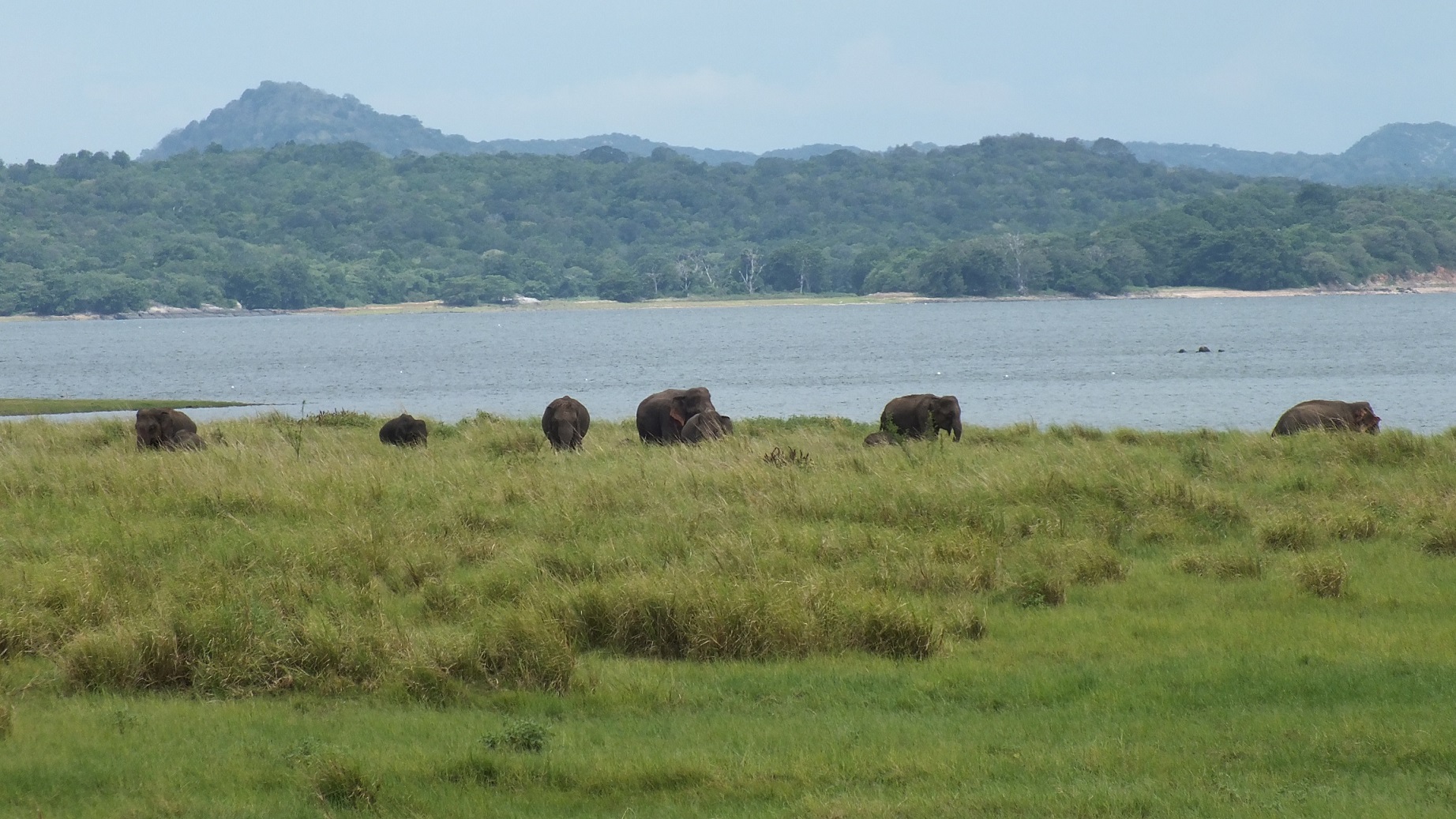 World Environment Day is celebrated every year on June 5th to bring awareness among the people regarding environmental issues and to take positive steps for the survival of the environment. The theme for World Environment Day 2021 is “Ecosystem Restoration”. This year, the Day will also serve as the formal launch of the United Nations Decade on “Ecosystem Restoration 2021-2030”. The restoration could occur in many ways – for example; through actively planting or by removing pressures so that nature could recover on its own. It is not always possible or desirable to return an ecosystem to its original state. We still need farmland and infrastructure on land that was once forest, for instance, and ecosystems, like societies, need to adapt to a changing climate.
The CSIAP is expected to bring positive environmental benefits to the project areas through the scale-up of climate-resilient agricultural technologies and farming practices that help improve soil health, water use efficiency, and catchment area treatment to promote more efficient use of surface water and more sustainable use of groundwater for agriculture. An Environment Assessment and Management Framework (EAMF) has been prepared to guide the screening of activities for physical investments, project-supported advisory, policy support interventions, resulting in implementation from an environmental perspective, mitigation actions to manage their environmental impacts including preparation, implementation of Environmental Assessments (EAs) and Environmental Management Plans (EMPs) to address site-specific risks and impacts and subsequent monitoring and reporting requirements.
The CSIAP has taken several actions to bring awareness among the people regarding environmental issues and to take positive steps for the survival of the environment and ecosystem restoration. More than 150 Environmental Screening and Environmental Management Plans were prepared to identify the negative environmental impact and to produce mitigation measures through the project activities. The Green Building Concept was introduced through the 47 ASC modernization activities. It highly emphasized asbestos and led free materials for the use of the rehabilitation process.
The project has conducted five major production programs which were applied a holistic pest control approach that utilizes all available pest control strategies on a case-by-case basis while maintaining the pest population below at an Economically Injury Level (EIL). Whenever possible, human-animal and ecosystem-friendly pest control strategies are used.

Irrigation rehabilitation programs are implemented for the rehabilitation, modernization of tanks in the hotspot area. This rehabilitation includes restoration of vegetations around the tanks to minimize water evaporation and absorption of metals in recycled water and desilting. The restoration process was successfully achieved in North Central province replanting 300 trees saving 48 trees during the tank rehabilitation process. The CSIAP was able to save thousands of trees as well as flora and fauna during the implementation of project activities including ASC modernization, tank rehabilitation, agri road rehabilitating and cultivation program.
The Human-Elephant Conflict (HEC) is particularly significant in all the Hotspot Areas. To mitigate HEC in the hotspot area, the project has planned a mechanism to build a direct collision with humans and elephants. In order to avoid further intensifying HEC, innovative landscape-level strategies and 410 km extent “Bio Fencing” will be established where wildlife and humans can co-exist in the same landscape.
A decade on Ecosystem Restoration 2021-2030 will be declared by the United Nations to Reimagine, Recreate and restore the ecosystem in the world this year. Similar to the UN Decade on Ecosystem Restoration 2021-2030, the CSIAP has planned to implement the below-mentioned programs to reimagine, recreate and restore the ecosystem in the hotspot area.
Model Cascade Development - Project will develop eleven models Cascade to
1. Holding the water from monsoons and preventing flood, recharging groundwater and storing water for irrigation, household and other uses
2. Support restoration of vegetations around the tanks and
3. Minimizing ecological and offsite impacts done by the farmers themselves in HAS. The aim is to enable communities to better cope with climate change impacts while restoration of ecosystem
Agro-ecological Landscape Resilience Plans - The project proposes to develop a set of science-based "integrated" climate-resilient agro-ecological landscape plan focusing on the selected cascade of the HSA. This is to understand the biodiversity attributes, ecosystem services and to introduce Nature base Solutions (NbS) for the current issues and seek opportunities to bring in greater environmental and social resilience through appropriate.
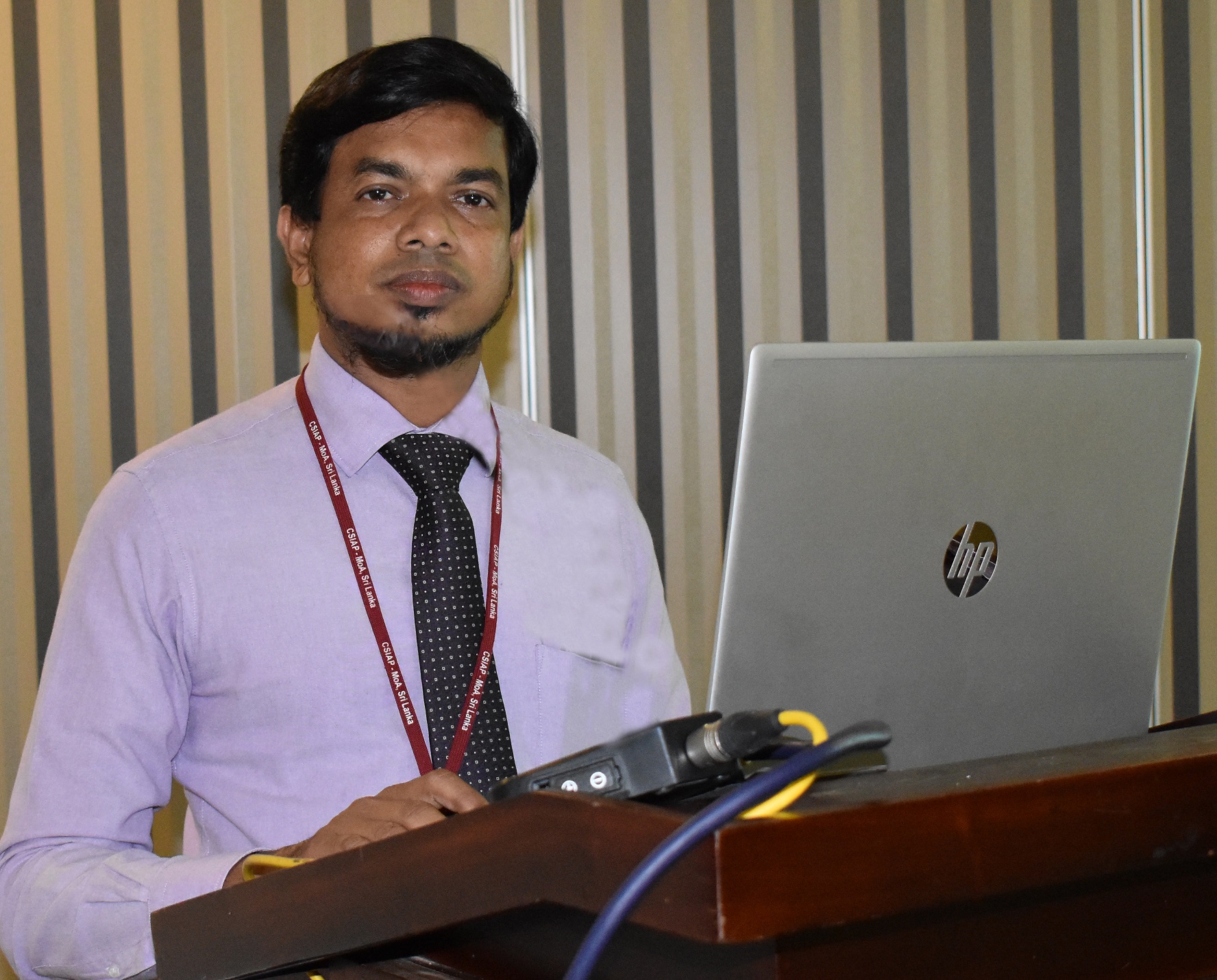 |
| Dr. Janaka Jayawardena |
By Dr. Janaka Jayawardena, Environmental and Social Safeguard Specialist, CSIAP.
Posted by CSIAP Sri Lanka Read full blog article Read full web article Published Date : 2021-06-06

Dr. Priyantha Weerasinghe explained all activities, which are being implemented by the CSIAP in six provinces, to DAD officials. Provincial Deputy Project Directors of the CSIAP presented activities involved at ASC (Agrarian Service Centers) levels too.
The CSIAP is closely working with the DAD when implementing its activities in 11 districts with 47 Agrarian Service Centers (ASCs) which are operating at the field levels to accomplish the mission of the DAD. Senior officials of CSIAP and DAD were present at the meeting.
Posted by CSIAP Sri Lanka Read full blog article Read full web article Published Date : 2021-05-18

The NSC is set up at the Ministry of Agriculture, which is the Ministry taking the overall responsibility in executing the CSIAP. The NSC will consist of key officials of the major stakeholder agencies of the central government, provincial government, private sector and the apex level community organizations mainly to provide policy guidance to the project and ensure achieving project’s objectives.

The World Bank Officials, Chief Secretaries of Provinces where the CSIAP being implemented, senior officials of the Ministry of Agriculture, Government Departments and Provincial Institutions alone with Provincial Deputy Project Directors and senior officials of the CSIAP were present at the meeting.
Posted by CSIAP Sri Lanka Read full blog article Read full web article Published Date : 2021-04-08

Dr. Weerasinghe explained the journey from the beginning of the CSIAP to the present, activities to be implemented in 2021 and coming years, and CSIAP’s contribution to the national food production in detail during the discussion. Representing the CSIAP, subject specialists from the Project Management Unit (PMU) and Provincial Deputy Project Directors from six provinces attended the meeting held at the Ministry.
Posted by CSIAP Sri Lanka Read full blog article Read full web article Published Date : 2021-03-10

Around 40 officers representing Department of Agriculture, Department of Agrarian Development and Divisional Secretariate, Poonakary attended this event. The CSIAP’s Northern Province office organized this event and on behalf of the project IECT & ICT Specialist Mr. Samanatha Mallawaarachchi delivered the main lecture on CSIAP and ASC Digitalization. Mr.Rajeswaran Sanjeepan, Institutional Development & Capacity Building Specialist and Mr. Kathirgamanathan Kapilan, Social Safeguard Officer of the CSIAP’s Northern Provincial Office also addressed the audience.
Posted by CSIAP Sri Lanka Read full blog article Read full web article Published Date : 2021-03-01

Mr. I.H Dharmasekara, Deputy Project Director, CSIAP delivered a special lecture on CSIAP and its activities and awarded certificates too.
Posted by CSIAP Sri Lanka Read full blog article Read full web article Published Date : 2021-09-09
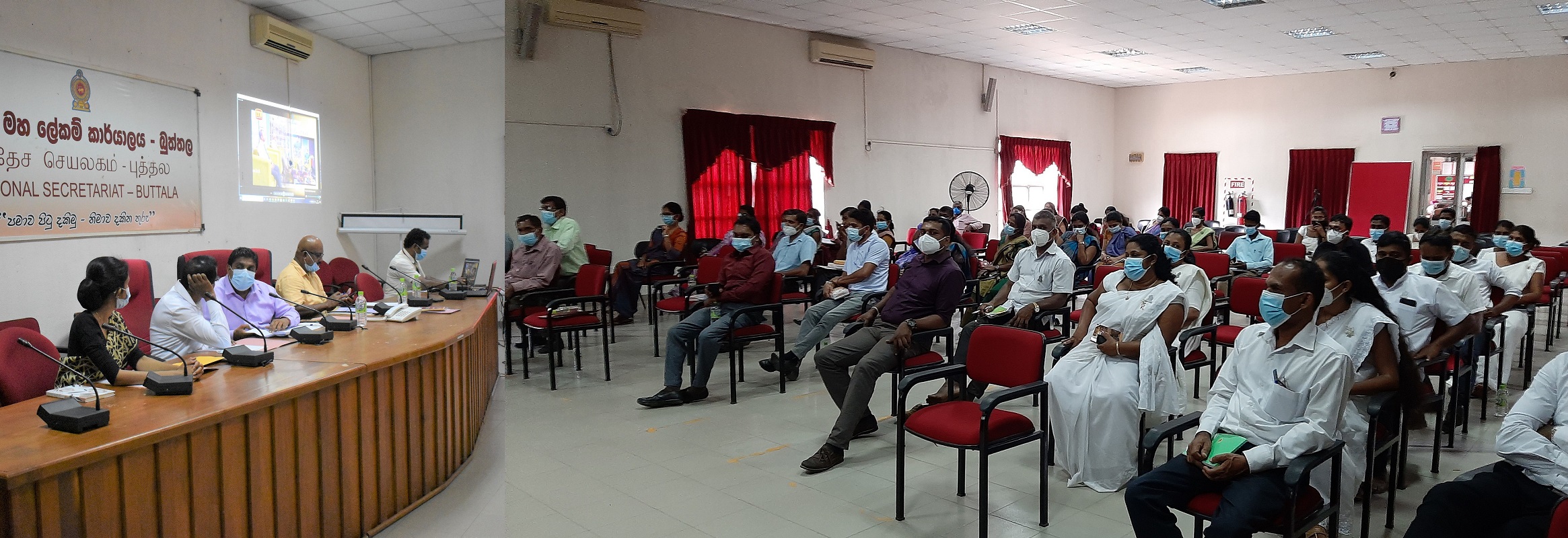
An awareness programme on Climate Smart Irrigated Agriculture Project (CSIAP) and its Uva Province plans in 2021 for government officers in Buttala Divisional Secretariat Area, Monaragala District, Uva Province was held under the patronage of Mr. R. M. R. S. Thilakarathna, Divisional Secretary, Buttala at the Divisional Secretariat, Buttala on 01st of this month.
Agrarian Development Officers, Economic Development Officers, Grama Niladari Officers, Agriculture Instructors, Agriculture Research and Production Assistants, Samurdhi Development Officers and Mid Wives including top officials of the Divisional Secretariate and officers from CSIAP attended this event.
Mr. I.H. Dharmarasekara, Deputy Project Director (Uva Province) CSIAP and his staff organized this programme.
Posted by CSIAP Sri Lanka Read full blog article Read full web article Published Date : 2021-02-01
 |
|
Capital TV and Kinniyan TV telecasted the event
|
The groundnut field day was held at Pulmuddai , Trincomalee on 07th this month with the aim of promoting agricultural practices in CSIAP’s command areas under the Maha Season. The field day is a special event: A series of demonstration skits, speeches and other activities focused on a central theme are strung out over the course of a day to promote new practices and bring recognition to successful farmers and agricultural workers in a particular area. The prevailing mood is festive and the atmosphere is not unlike that of a country fair. The point of such a day is to call attention to new and exciting developments in agriculture. The Groundnut cultivation program was initiated by the Deputy Project Director’s office in the Eastern Province of Climate Smart Irrigated Agriculture Project (CSIAP) which desperately focusing on uplifting the country from agriculture and improving the living slandered of famers in drystone in Sri Lanka.
This field day was conducted under the patronage of Mr.M.Parameswaran, Deputy Director of Agriculture (Trincomalee) and Dr. R. M.Ariyadasa, Deputy Project Director, CSIAP Project (Eastern Province). The staff of the Department of Agriculture, CSIAP, Community leaders and farmers were present at this ceremony.
Please watch Capital TV and Kinniyan TV
Posted by CSIAP Sri Lanka Read full blog article Read full web article Published Date : 2021-01-11

May this year bring new happiness, new goals, new achievements, and a lot of new inspirations on your life. CSIAP encourages its beneficiaries to make 2021 a better year, and overcome challenges. May all Sri Lankans’ dreams come true and all their hopes are fulfilled. Let us all get together and join hands in order to strengthen and uplift our country. CSIAP wishes you a healthy, peaceful, and prosperous new year.
Posted by CSIAP Sri Lanka Read full blog article Read full web article Published Date : 2020-12-31

The climate Smart Irrigated Agriculture Project (CSIAP) is moving forward in 2021 to improve living standards of farmers in CSIAP command areas and boost agroeconomic in Sri Lanka said, Miss. Sharmi Shanmuganathan, Gender Development Officer and Acting Social Safeguarded Officer, Climate Smart Irrigated Agriculture Project, (CSIAP), with an exclusive interview with Tamil National Service of SLBC on 24th Dec 2020.
CSIAP is implementing COVID 19/ YALA 2020 Cultivation Programme, Mid-season Cultivation Programme, Maha Season Cultivation Programme, Cluster Village Development programmers, Climate Smart Nutritional Sensitive Home Garden Progaamme, 47 ASC Modernization and Digitalization, Rehabilitation of Agriculture Roads, Construction of Grain Warehouses, Cascade Development through the rehabilitation of minor and medium tanks, Establishment of Farm Field School at Thirappane and CSA Model Villages, She further added. This discussion was broadcasted simultaneously with Thendral FM and Yaal FM of SLBC too.
Please click to listen to full interview on: Tamil Service at SLBCPosted by CSIAP Sri Lanka Read full blog article Read full web article Published Date : 2020-12-27

A special training programme on CSIAP framers’ database was held at the Governor’s Auditorium of North Central Provincial Council Office, Anuradhapura yesterday (22nd) under the patronage of Dr. Priyantha Weerasinghe, Project Director, CSIAP. This is the first time that CSIAP has conducted such a training for its staff.
Selected staff from six Deputy Project Directors’ Offices including Provincial Deputy Project Directors and senior officials of PMU attended this event. Those, who were on the training programme, had been given hands on experience by Mr. Uvindu Anuradha, Senior Web Developer and Mr. Ajantha Lakmal, Senior Web Developer, a team from SLT Digital Info Service Ltd lead by Mr. Danushka Gangoda, Team Leader. Mr. Lakshman Premanath, Deputy Project Director, North Central Province, CSIAP organized the above programme.
Posted by CSIAP Sri Lanka Read full blog article Read full web article Published Date : 2020-12-23

Miss. Sharmi Shanmuganathan, Gender Development Officer and Acting Social Safeguarded Officer, Climate Smart Irrigated Agriculture Project, (CSIAP), talks about CSIAP and its current activities on Tamil National Service, Thendral FM and Yaal FM at 7.30am on 16th Nov 2020.
Please click to listen: Tamil Service at SLBC
Posted by CSIAP Sri Lanka Read full blog article Read full web article Published Date :2020-11-19
Recognizing rural women as ‘farmers’ and as ‘leaders’in adopting climate resilience agriculture technology and practices
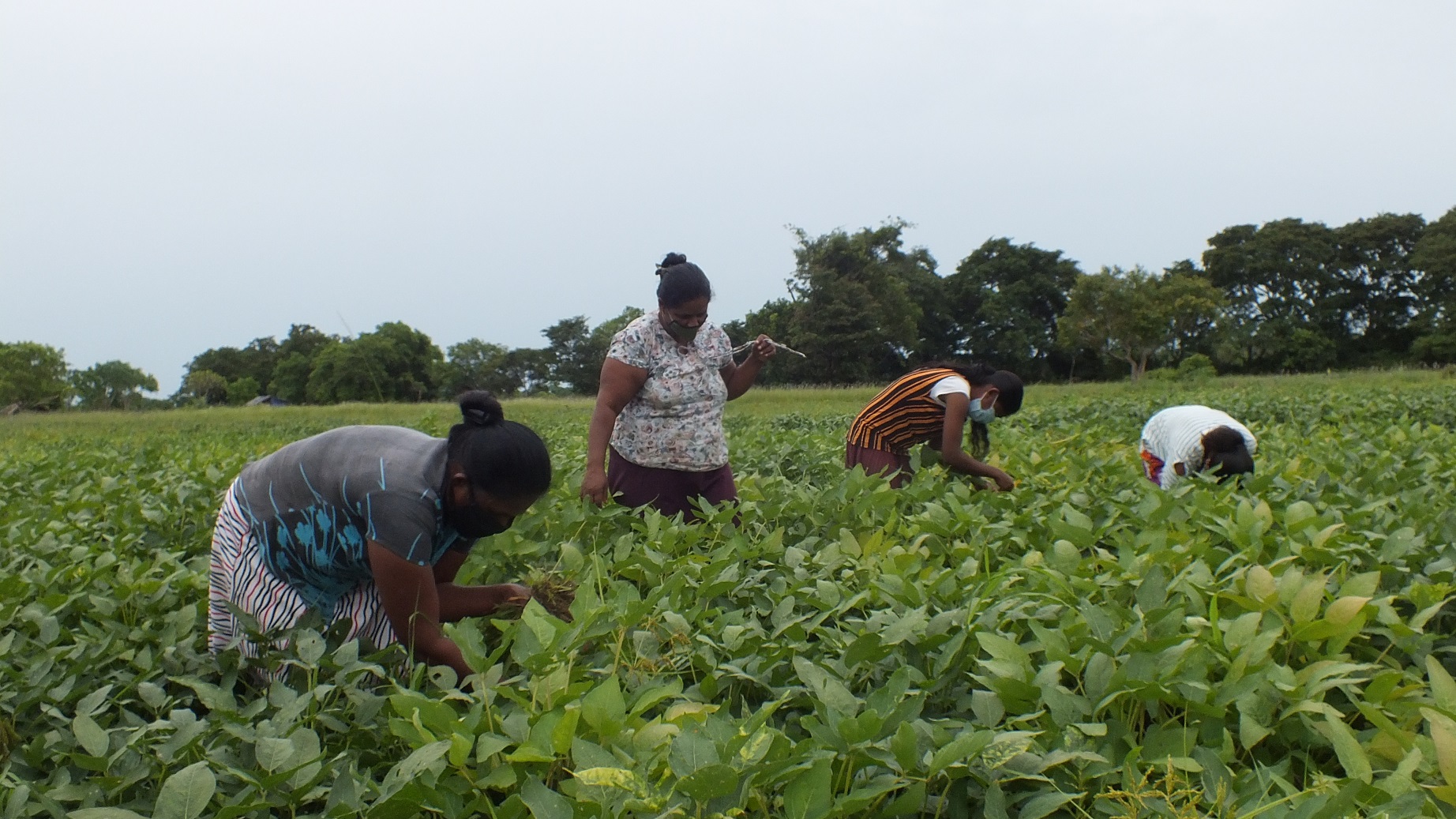
Sri Lanka is a lower-middle-income country with total population of 21.8 million of which 77.4% of the population is largely rural.[1] Overall, poverty level of the country is 6.7%, and poverty remains concentrated in rural areas - of the poor, 82 percent are rural residents.[2] While agriculture sector contributes 6.9 percent to GDP, the sector employs approximately 27% of the population, which is mostly rural..[3] While the share of women in agriculture has remained between 30-33% for over two and a half decades[4], women play a key role in agricultural production and processing, both in family and farms outside; though women’s role have been mostly limited to home gardening and small-scale farming activities.
The World Bank funded “Climate Smart irrigated Agriculture Project (CSIAP)” targets farmers in climatically vulnerable hotpot areas to improve the productivity and resilience of smallholder agriculture activities. As part of the project’s strategic and operational design, it seeks to address gender gaps and risks in order to empower women as ‘farmers’ and as ‘leaders’ in their communities for adopting climate resilience practices.
During the project preparation and assessment phase, many issues were identified which limits and prevents women from equitably benefiting from and participating in agriculture activities. These issues include: lack of land and asset ownership which limits women’s ability to engage and grow their agricultural production and livelihoods (e.g. in Sri Lanka, only 16 % of all privately-owned land belongs to women)[1], lack of access to climate smart agriculture production technologies and marketing, lack of decision-making power as most of the farmer organizations are led by male farmers, inability to fully participate in agriculture activities due household and care responsibilities, additional requirements to hire labour, difficulties in traveling to agriculture lands which are generally away from residential locations, greater risks of impact from the Human elephant conflict (HEC) as women mostly engage in cultivation work during day time when HEC is most prevalent and impacts linked to domestic abuse/gender based violence with increased consumption of alcohol by men. With all these setbacks for rural women, the current COVID pandemic situation increases their vulnerability affecting household income, food security and nutrition.
The project has taken multiplicity of actions to ensure the inclusion rural women in project activities. Thus the project has taken measures to:

1. reformulate project strategies during COVID19 period to implement several subprojects specially targeting rural women farmers to ensure their food and nutrition security.
2. assess gender gaps, issues and risks during participatory rural needs assessments and social screening.
3. incorporate measures in hot-spot area development plans and social impact management plans to ensure women’s participation and inclusion.
4. revise beneficiary selection criteria to be inclusive giving priority to women beneficiaries including vulnerable groups (such as women who are living under the poverty level, widows, families with young children and those living with elderly & disable persons)
5. establish minimum targets for female beneficiaries in project interventions
6. build capacities of project staff on gender issues and sensitize communities (both males and females) on principals of gender equity in line with the training manual developed.
7. build capacities of women on climate-resilient agricultural technologies
8. support to address risks of Human-Elephant conflict
9. provide support to purchases assets, hire labour and access services (such as credit, childcare facilities, etc.)
10. strengthen links with community-based organizations to receive project implementation support
11. implement GBV prevention measures (i.e. Code of Conduct for Communities etc.) and strengthen GRM reporting measures for GBV.
12. increase women's engagement in decision making in Farmer’s Organizations, Producer’s Groups & Social Audit Committees including acting on issues affecting them
Over 5,500 rural women farmers involved climate resilience agriculture practices

CSIAP strategies that are formulated and are being implemented have generated favorable outcomes for rural women farmers to ensure these groups are benefiting from climate resilience agriculture practices in an equitable manner. Therefore, in addition to increasing participation of women in project activities, the project has exceeded its target of 30% of beneficiaries to be women in all its programs and is also successfully implementing programs targeting 100% women as beneficiaries through its climate smart nutrition sensitive home gardening program.
By Sharmi Shanmuganathan,
Gender Development Officer and Acting Social Safeguarded Officer, PMU, CSIAP.
Posted by CSIAP Sri Lanka Read full blog article Read full web article Published Date :2020-10-17
 |
|
Mr Sisira Semasinghe, Agriculture Extension Specialist |
The Yala 2020 is designed to promote the Other Field Crops cultivation among the farming community in hot spot areas of the 11 districts of the island said Mr Sisira Semasinghe, Agriculture Extension Specialist of Climate Smart Irrigated Agriculture Project (CSIAP) with an exclusive interview with Lakhanda News on 11th August 2020.
This Yala 2020 covers the area of more than 3,600Ac of OFC (Groundnut, green gram, cowpea, chilli, maize, soya, red onion, kurakkan, sesame and Blake Gram are grown) cultivating lands of the country. Farmers who will be involving with the project have been familiar with the cultivation of OFCs and involving with the cultivation of OFCs for production purposes. The lessons learned by implementing the project in this season will be applied to correct mistakes in the coming seasons. In order to achieve the objectives of the programme, many strategies have been planned to be implemented by the CSIAP with implementing agencies.
Please click Lakhanda Newsto listen
Posted by CSIAP Sri Lanka Read full blog article Read full web article Published Date :2020-08-24
 |
| Mr Sisira Semasinghe, Agriculture Extension Specialist |
Posted by CSIAP Sri Lanka Read full blog article Read full web article Published Date :2020-07-30

Posted by CSIAP Sri Lanka Read full blog article Read full web article Published Date :2020-07-24
 |
| Mr. I. H. Dharmasekara, Deputy Project Director, CSIAP is addressing the audience |
Posted by CSIAP Sri Lanka Read full blog article Read full web article Published Date :2020-07-23
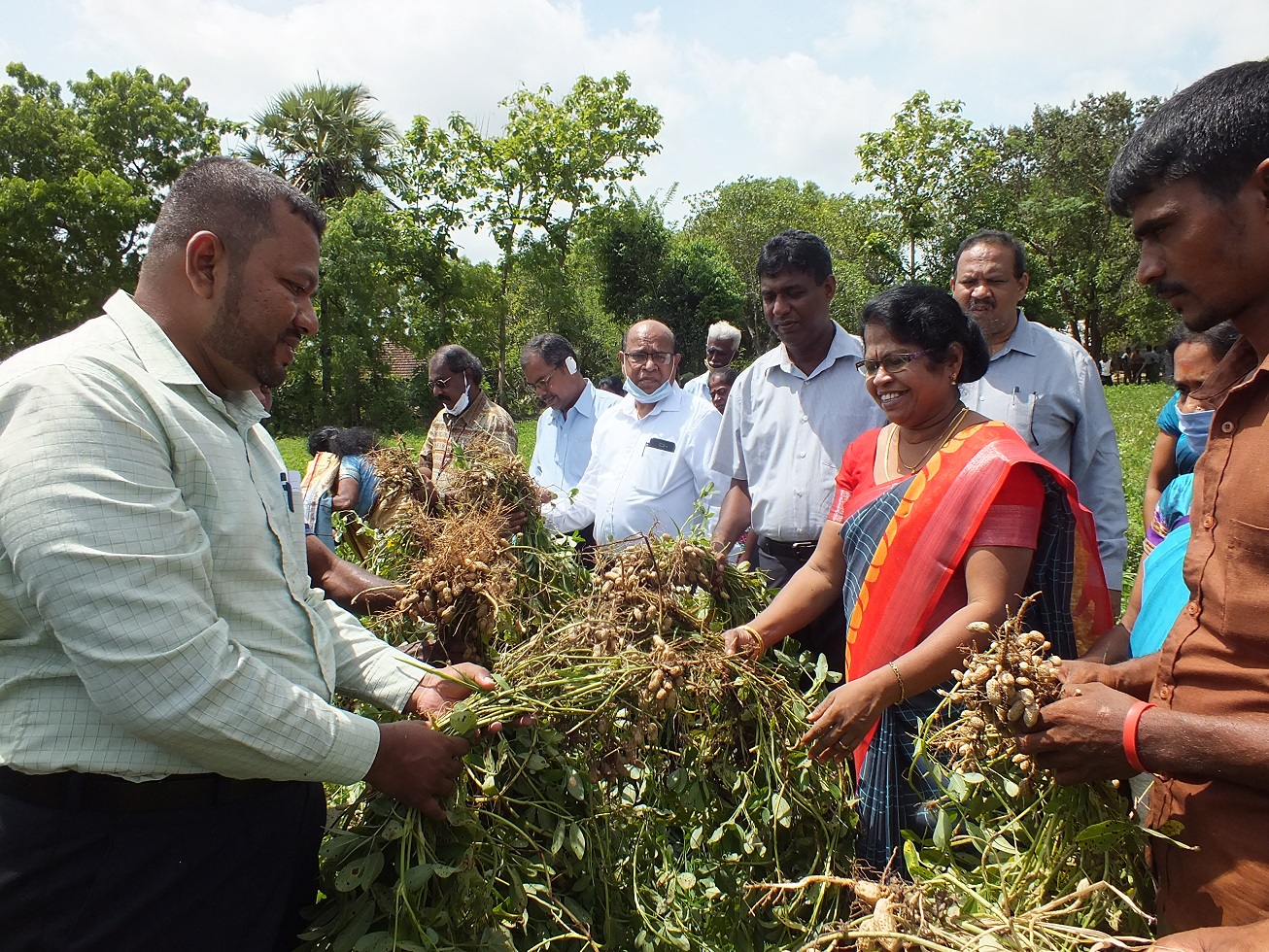 |
| Symbolically the first harvest was given to the District Secretary |
 |
| The Field Day Demonstration |
Posted by CSIAP Sri Lanka Read full blog article Read full web article Published Date :2020-07-13
Climate Smart Irrigated Agriculture Project implements Yala 200 which is in line with the programme implemented by the Ministry of Agriculture to overcome possible food shortage that could surface out owing to COVID 19 pandemic. Therefore, this project will be implemented in all climatically vulnerable hot spot areas identified by the project covering 11 districts of the island giving priority for the promotion of Other Food crops (OFC). The total cultivable area expected to cover by the project is 4,029.4 Ac involving with more than 7,074 beneficiaries. The project aims to grow OFC in fields coming under the command area of tanks with adequate water applying climate-smart practices.
 |
| Harvesting cowpea in the field |
 The number of direct beneficiaries of the sub-project is 7074 farmers in all hot spot areas. Out of which 4882 farmers are male and 2192 are female. No of women headed farmer families involved in the sub-project is 384.
Posted by CSIAP Sri Lanka Read full blog article Read full web article Published Date :2020-06-07
 Cluster Village Development Programme is designed to increase farmer income, reduce food importation by applying all possible Climate Smart Agriculture practices in 11 hotpots districts. This programme covers 530 ac with 630 beneficiaries. The Project expenditure is Rs 43.0 million and it has been progressing successfully regardless of the many barriers encountered due to a chaotic situation in the country. The commitment of the officials and the farmers contribute to the success of the project.
Cluster Village Development Programme is one of four programs launched by Climate Smart Irrigated Agriculture Project in parallel to National Food Production Drive under Saubhagye Dekma to avoid any future shortage of food supply due to the Covid19 pandemic.
Benefits to beneficiaries
 · Providing seed and technology transfer
Posted by CSIAP Sri Lanka Read full blog article Read full web article Published Date :2020-06-05

Posted by CSIAP Sri Lanka Read full blog article Read full web article Published Date :2020-04-13
 |
| Dr. Priyantha Weerasinghe, Deputy Project Director, CSIAP |
Posted by CSIAP Sri Lanka Read full blog article Read full web article Published Date :2020-04-12
Hot Spot Area Agriculture Development Plan (HSAADP) of the Climate Smart Irrigated Agriculture Project (CSIAP) is currently being reviewed at the Uva Management Development Institute (UMDI), Passara. It has been decided that all the specialists of CSIAP must review the HSAAD plans developed by the consultancy firms to make certain that HSAADPs are well prepared, organized.
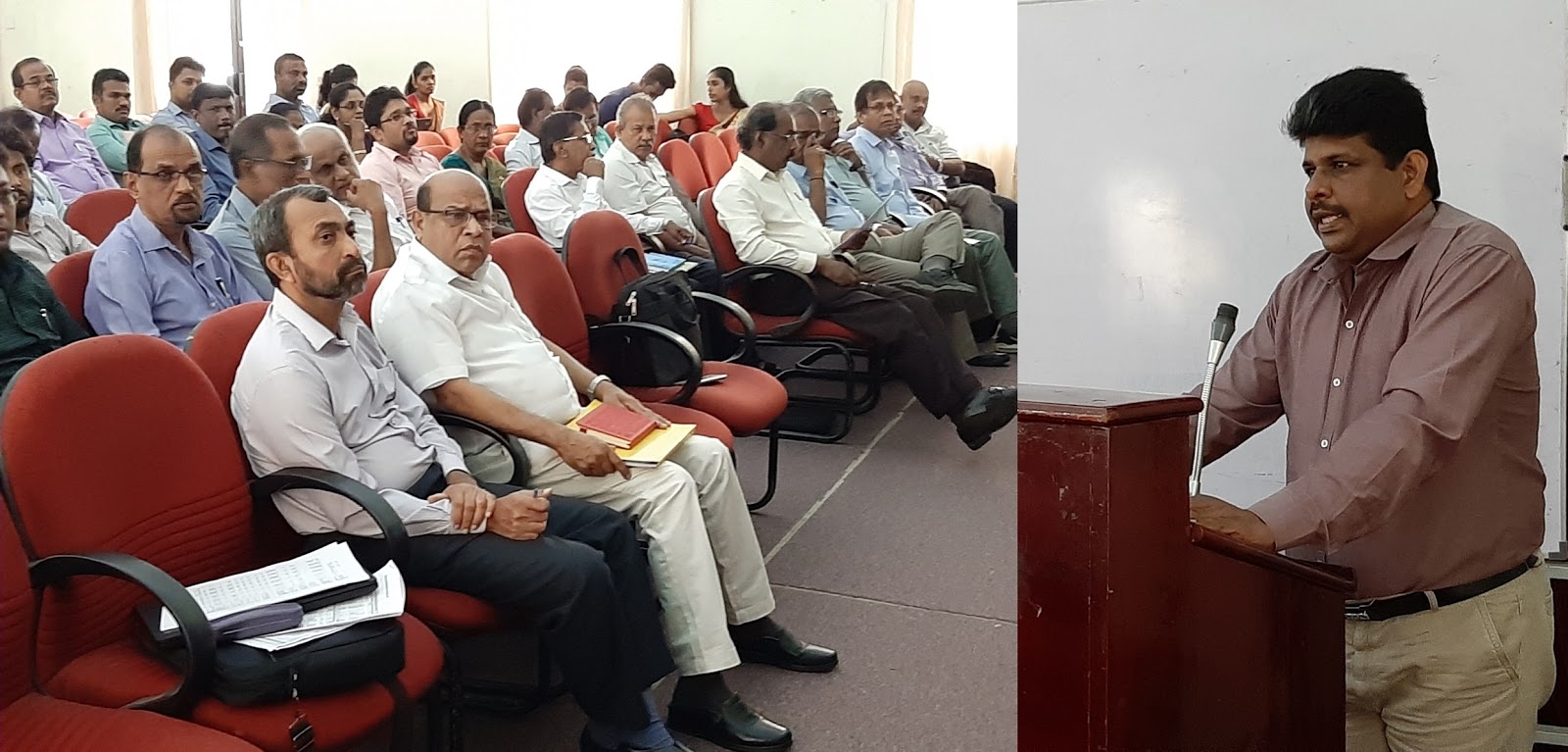 |
| Eng. Nadaraja Sivalingam, Project Director, CSIAP, is explaining the objectives of the HSAADP |
Posted by CSIAP Sri Lanka Read full blog article Read full web article Published Date :2020-03-06
 |
|
Dr. Priyantha Weerasinghe, Deputy Project Director, CSIAP, is conducting the session. Eng.
Nadaraja Sivalingam, Project Director, CSIAP, Mr. Seenithamby Manoharan, The World Bank are also at the main table. |
 Activities
Posted by CSIAP Sri Lanka Read full blog article Read full web article Published Date :2020-02-12
 All three services of Si Lanka Broadcasting Corporation broadcasted the news of the Climate Smart Irrigated Agriculture Project (CSIAP) and its objectives in Sinhalese, Tamil and English.
Posted by CSIAP Sri Lanka Read full blog article Read full web article Published Date :2020-01-24
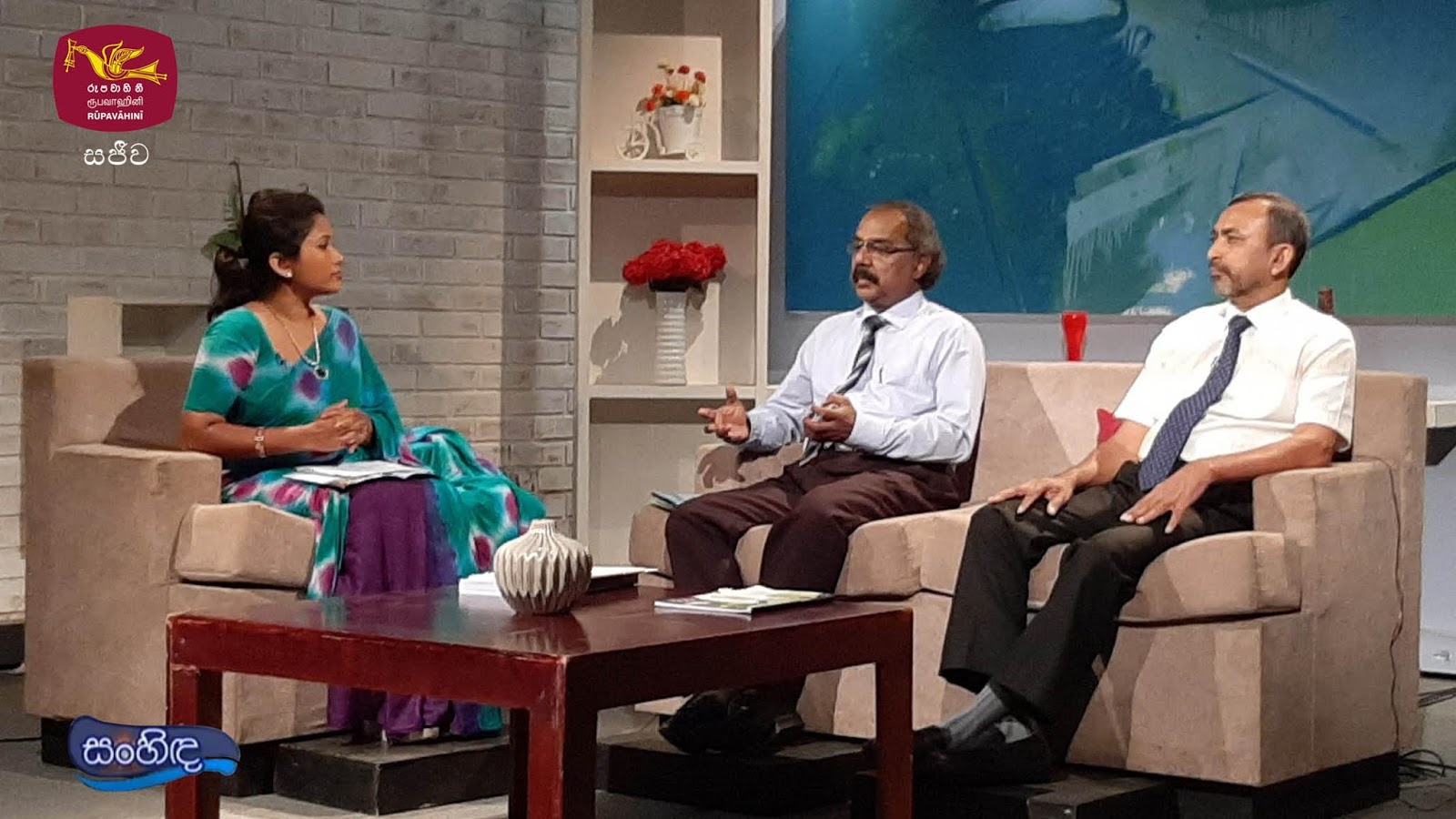 Mr. Amal Arunapriya, Institutional Development & Capacity Building Specialist and Mr. Sisira Semasinghe, Agriculture Extension Specialist of the Climate Smart Irrigated Agriculture Project (CSIAP) were on Sanhinda Live TV Programme on 21st Jan 2020 to talk about CSIAP and its objectives.
Posted by CSIAP Sri Lanka Read full blog article Read full web article Published Date :2020-01-23
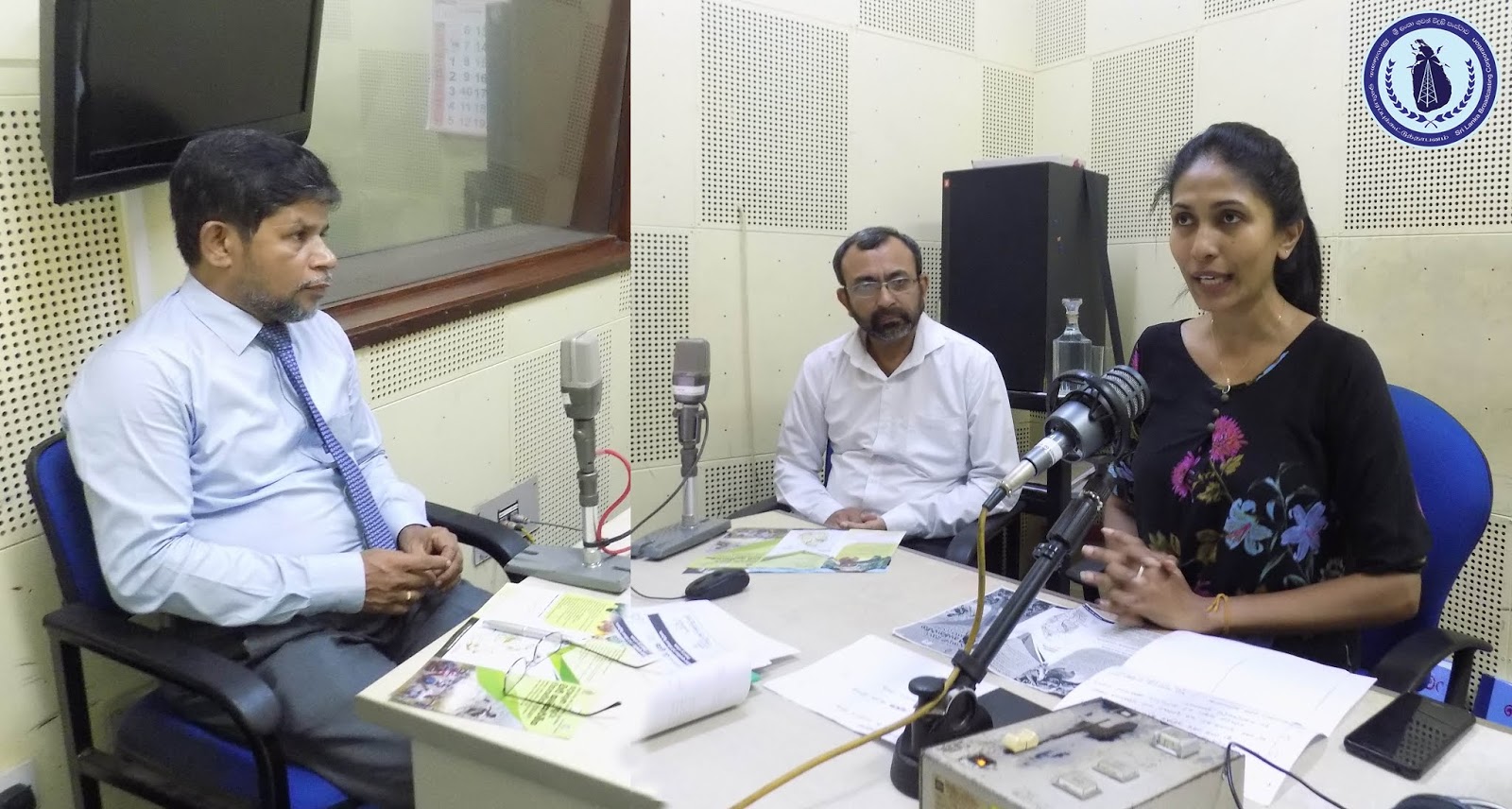
Posted by CSIAP Sri Lanka Read full blog article Read full web article Published Date :2020-01-22

Posted by CSIAP Sri Lanka Read full blog article Read full web article Published Date : 2020-01-19
Posted by CSIAP Sri Lanka Read full blog article Read full web article Published Date : 2020-01-19

Posted by CSIAP Sri Lanka Read full blog article Read full web article Published Date : 2020-01-19
 |
| Project Director Eng. Nadaraja Sivalingam is welcoming participants. World Bank officials Mr. Seenithamby Manoharan and Mr. Sarath Wickramarathne were also present. |
Posted by CSIAP Sri Lanka Read full blog article Read full web article Published Date :2020-01-13
 |
| The staff of the Project Management Unit (PMU), Climate Smart Irrigated Agriculture Project celebrate new year 2020 |
Posted by CSIAP Sri Lanka Read full blog article Read full web article Published Date : 2020-01-01

Posted by CSIAP Sri Lanka Read full blog article Read full web article Published Date : 2020-01-01

Posted by CSIAP Sri Lanka Read full blog article Read full web article Published Date : 2019-12-28
 |
| Dr. Weerasinghe is on ITN FM |
Posted by CSIAP Sri Lanka Read full blog article Read full web article Published Date : 2019-12-24
 |
| Mrs. Samaraweera is discussing the nursery with farmers and the nursery is being prepared |
Posted by CSIAP Sri Lanka Read full blog article Read full web article Published Date : 2019-12-09
 |
| Dr. Weerasinghe conducts the technical session 1 |
 |
| Dr. Weerasinghe receives a token of appreciation |
Posted by CSIAP Sri Lanka Read full blog article Read full web article Published Date : 2019-12-05
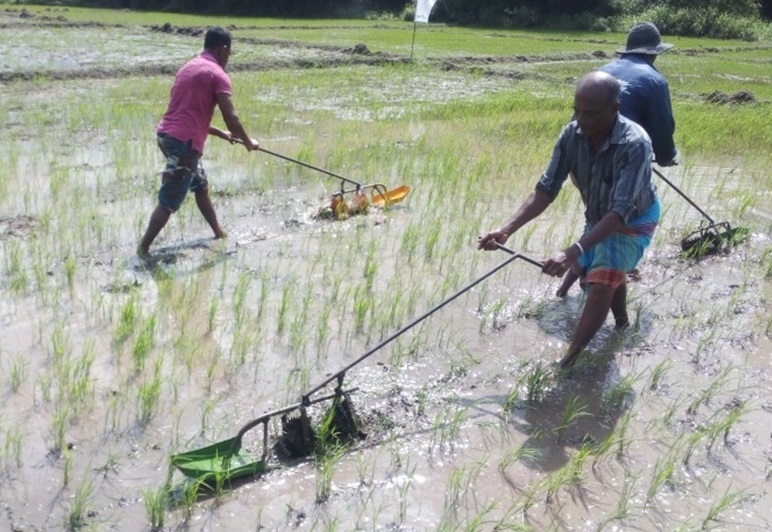 |
| Cono Weeder is in operation in the paddy field |
Posted by CSIAP Sri Lanka Read full blog article Read full web article Published Date : 2019-12-03
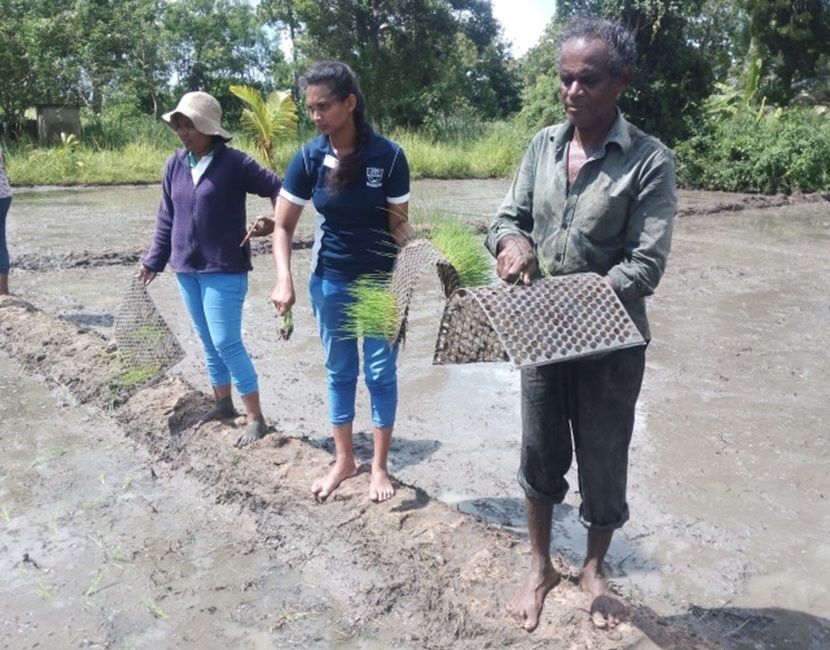 |
| Seedlings are being broadcasted into paddy field |
Posted by CSIAP Sri Lanka Read full blog article Read full web article Published Date : 2019-12-03
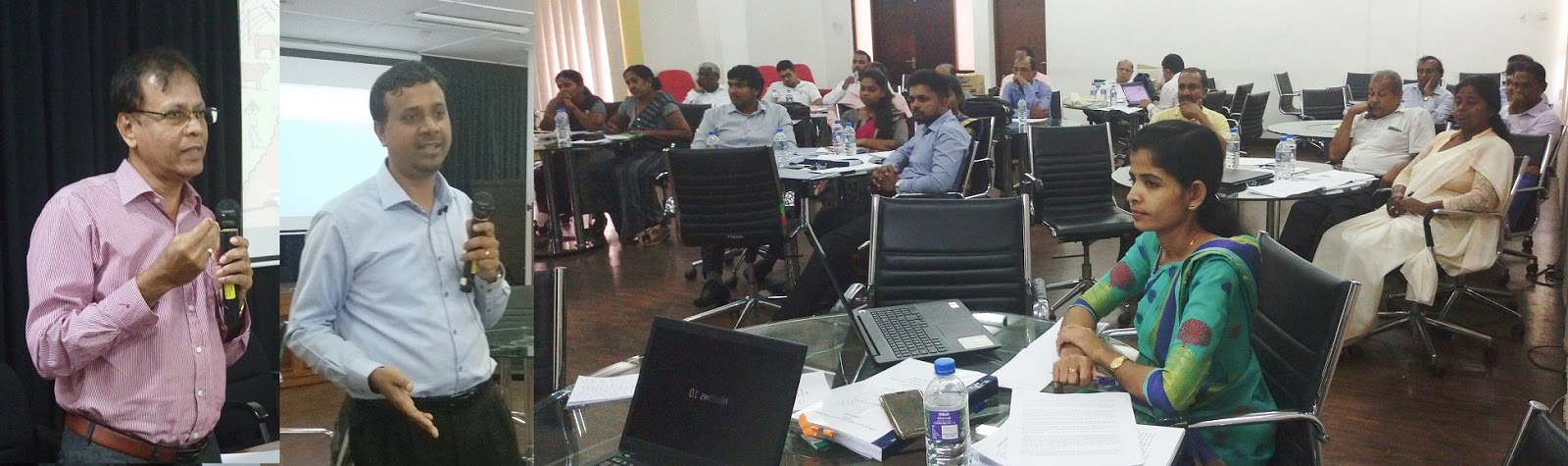 |
| Both Dr. Wickramasinghe and Mr. Fernando are addressing participants |
Posted by CSIAP Sri Lanka Read full blog article Read full web article Published Date : 2019-12-02
 |
| Mrs. Samarakon is expressing her ideas |
Posted by CSIAP Sri Lanka Read full blog article Read full web article Published Date : 2019-11-28
 |
| Dr. Sakalasooriya is delivering his lecture |
Posted by CSIAP Sri Lanka Read full blog article Read full web article Published Date : 2019-11-28
A demonstration programme on a Drum Seeder was held in Ranorawa and Mahanikawewa cascades in Anuradhapur District under Climate Smart Irrigated Agriculture Project (CSIAP).
 |
| Row seeding in paddy field by using Drum Seeder and Eng. Balasooriya is explaining |
Posted by CSIAP Sri Lanka Read full blog article Read full web article Published Date : 2019-11-26
 |
| Mr. Rajkumar is addressing farmers |
Posted by CSIAP Sri Lanka Read full blog article Read full web article Published Date : 2019-11-22
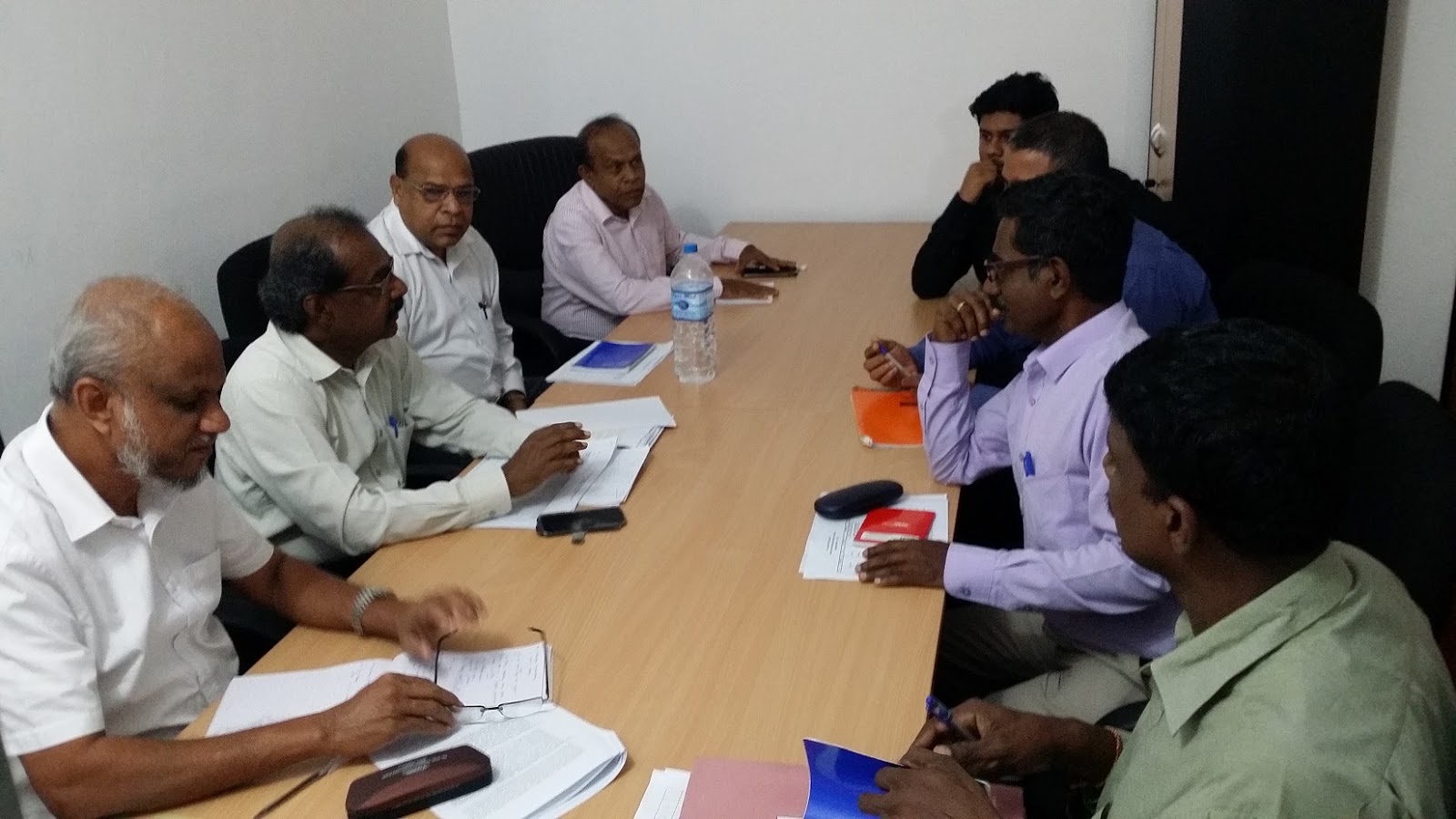 |
| PMU staff with EMU Consultants |
Posted by CSIAP Sri Lanka Read full blog article Read full web article Published Date : 2019-11-19
 |
| Project Director Eng. Nadaraja Sivalingam is addressing participants in the workshop |
Posted by CSIAP Sri Lanka Read full blog article Read full web article Published Date : 2019-11-18
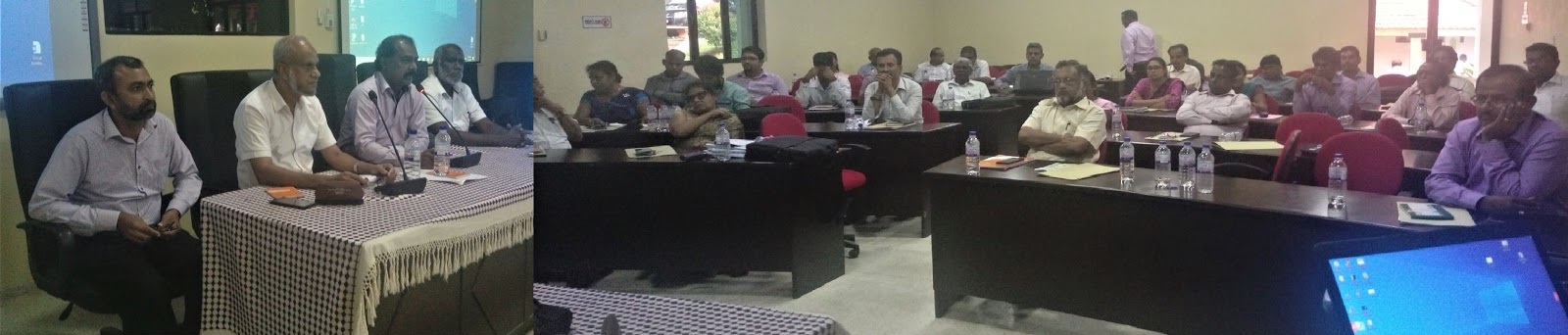 |
| PMU staff are having a open discussion with participants |
Posted by CSIAP Sri Lanka Read full blog article Read full web article Published Date : 2019-11-11
 |
| Dr. V. K. Ravichandran is addressing the audience in the workshop |
Posted by CSIAP Sri Lanka Read full blog article Read full web article Published Date : 2019-11-08

The World Bank Board of Directors approved a $140 million credit for Sri Lanka to improve the resilience and productivity of agriculture for more than 470,000 small farmers in 6 provinces in the dry zone of the country under the Climate Smart Irrigated Agriculture Project (CSIAP). The provinces selected are those that are most exposed to climate impacts. The new CSIAP will be implemented by the Ministry of Agriculture, Rural Economic Affairs, Livestock Development, Irrigation and Fisheries & Aquatic Resources along with the six Provincial Councils (Northern, North Central, North Western, Eastern, Uva and Southern) in the dry zone.
The total project cost is $140 million, including a $125 million credit from the International Development Association, with a $10 million contribution from the Government of Sri Lanka and a $5 million contribution from the project beneficiaries. Lanka is particularly vulnerable to climate-related natural disasters such as floods and droughts. The agriculture sector, which contributes approximately 7.7 percent to the country’s economy and employs 27 percent of the population, more than 38 percent of whom are women; is especially
The objective of CSIAP for Sri Lanka is to improve the productivity and climate resilience of smallholder agriculture in selected hotspot areas. The project has four components.(1) Agriculture Production and Marketing component will improve agriculture productivity and diversification through the adoption of Climate Smart Agriculture (CSA) practices and improved on-farm water management.(2) Water for Agriculture component will facilitate (a) planning for water and other infrastructure necessary to support climate-resilient irrigated agriculture, (b) construction of the planned infrastructure, and (c) co-management of this infrastructure by central/provincial governments and the local community.(3) Project Management component will ensure the quality of overall project management, while ensuring smooth coordination of activity implementation by various agencies and strategic partners at national and subnational levels. This component will finance:(a) the consultancy and operating costs of the Project Management Unit (PMU) and Deputy Project Director (DPD) Offices and of different project executing agencies, including for fiduciary and safeguard aspects; (b) the monitoring and evaluation (M&E) of project activities at baseline, midterm, and end of project, including geotagging of the assets created; and (c) information, education, and communication campaigns to make all stakeholders aware of the project.(4) Contingent Emergency Response component will allow for rapid reallocation of project proceeds in the event of a natural disaster or crisis that has caused or is likely to imminently cause a major adverse economic and social impact.
Posted by CSIAP Sri Lanka Read full blog article Read full web article Published Date : 2019-11-07